

A Guide to the Engine Oil Pressure Switch on Your 2006-2013 Chevrolet Impala
Seeing the 'Low Oil Pressure' warning? Here's what you need to know about the sensor causing it.
- A flickering or constant low oil pressure light is the most common symptom of a failing switch on the 2006-2013 Impala.
- Always stop the engine immediately if the low oil pressure warning appears; never assume it's just the sensor.
- The sensor is located in a tight spot behind the exhaust manifold, requiring a special socket and a long extension for replacement.
- Consider replacing the small, inexpensive filter screen behind the sensor at the same time to prevent future issues from sludge buildup.
Is Your Impala's Oil Pressure Switch Failing?

A faulty oil pressure switch is a well-known issue for 2006-2013 Chevrolet Impala owners. Often, the problem isn't that your engine has no oil pressure, but that the sensor itself has failed and is sending a false signal. This can cause unnecessary panic and, if ignored, could mask a real oil pressure problem. Recognizing the signs of a bad switch is the first step to a confident repair.
A Critical Warning: "Low Oil Pressure - Stop Engine"
Never ignore the low oil pressure warning light. While a faulty sensor is a likely culprit on these Impalas, the risk of severe engine damage from actual low oil pressure is too high. Always stop the vehicle immediately and check your oil level. If the level is correct, it's safer to have the vehicle towed for diagnosis than to risk driving it.
Common Failure Symptoms

Here are the most common signs that your Impala's oil pressure switch needs to be replaced:
- Flickering Oil Light: The oil pressure warning light may flicker or come on intermittently, especially at idle or after the engine has warmed up.
- "Low Oil Pressure - Stop Engine" Message: The warning message appears on your driver information center, often accompanied by a chime, even when the oil level is full.
- Incorrect Gauge Reading: If your Impala has a pressure gauge, it might read zero, max out, or fluctuate wildly.
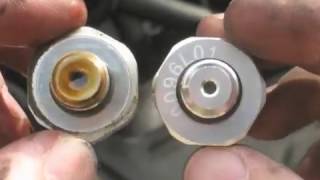
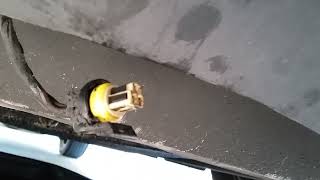
- Oil Leak from the Sensor: The sensor itself can fail and leak oil. Oil can seep from the sensor's body or through its electrical connector, which is a sure sign of failure.
Choosing the Right Aftermarket Part

When replacing the oil pressure switch, you have several options. While the original ACDelco part is available, many owners have reported premature failures, sometimes even with multiple replacements. High-quality aftermarket parts can be a reliable and cost-effective alternative.
| Brand Tier | Brands | What to Expect |
|---|---|---|
| Premium Aftermarket | Standard Ignition (SMP), Holstein | These brands are often considered OE-equivalent or better. They focus on quality materials and rigorous testing to ensure longevity and accurate readings. Many professional mechanics trust these brands for electronic sensors. |
| Quality Mid-Grade | Walker Products | Walker is a well-established aftermarket brand that engineers its parts to meet or exceed OE specifications. They offer a good balance of quality and value, making them a popular choice for DIY repairs. |
| Value-Oriented | URO Parts, True Tech, Global Parts | These brands provide a budget-friendly option to get your vehicle back on the road. While they meet fitment requirements, their long-term durability may not match that of premium brands. They can be a good choice for older, higher-mileage vehicles where cost is a primary concern. |
Pro Tip: Check the Sensor Screen
Many GM engines, including those in the Impala, have a small filter screen located in the block, just behind the oil pressure switch. This screen can become clogged with sludge and debris, causing a legitimate low-pressure reading at the sensor even if the engine's overall pressure is fine. It is highly recommended to inspect and replace this inexpensive filter (often sold separately) whenever you replace the oil pressure switch.
Frequently Asked Questions (FAQ)

Where is the oil pressure switch located on my Impala?
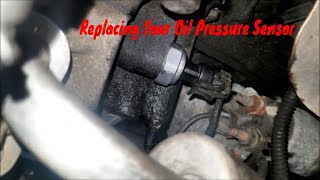
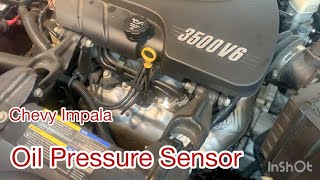
For the 2006-2013 Impala with the 3.5L, 3.9L, or 5.3L V8 engine, the sensor is located on the passenger side of the engine block. It's tucked behind the front exhaust manifold, near the oil filter. Access is tight, and you will likely need a long extension and a special deep socket.
What tools do I need to replace the switch?
You will need a ratchet, a long (10-inch or more) extension, and a special oil pressure switch socket. The size is typically 27mm or 1 1/16-inch deep socket. You may also need a 10mm socket to remove the exhaust heat shield for better access.
What does the code P0523 mean?
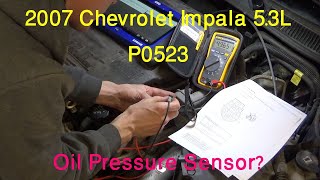
P0523 stands for "Engine Oil Pressure Sensor/Switch Circuit High Voltage." This code is very common when the sensor fails internally, causing it to send a signal to the computer that is outside the normal range. It almost always points to a bad sensor rather than a true high-pressure problem.
Is an ACDelco switch better than aftermarket?
Not necessarily for this specific part. While ACDelco is the original equipment manufacturer, many Impala owners have reported repeated failures of the OE switch. A premium aftermarket brand like Standard Ignition or a quality mid-grade one like Walker Products can offer comparable or even better reliability.
Can I just clean the sensor?
No, cleaning the sensor will not fix the problem. The failure is almost always internal to the sensor's electronics or diaphragm. The part must be replaced. However, you should clean the area around the sensor before removal to prevent dirt from falling into the engine, and you should replace the small filter screen behind it.
Helpful Videos
Technical Specifications
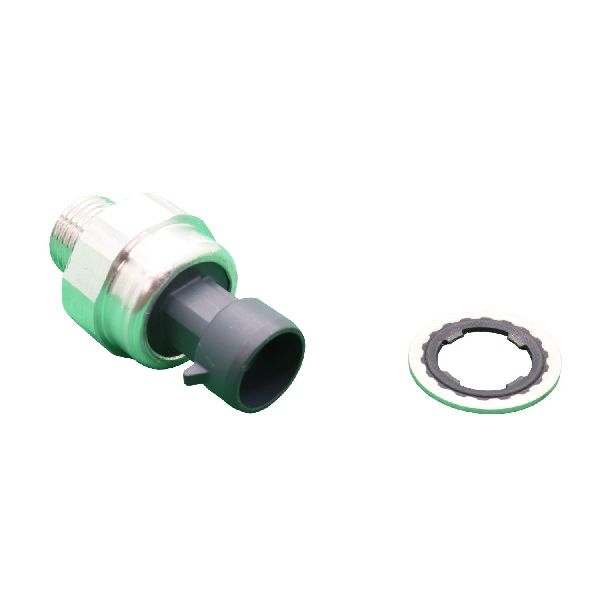
OEM Part Numbers: 12673134 12621234 12596951
Required Tools: Ratchet, 10-inch+ extension, 27mm or 1 1/16-inch deep oil pressure switch socket. Torque Spec: 12 ft-lbs.
We Have This Part in Stock


The information in this article is provided for general reference and educational purposes only. Vehicle specifications, procedures, and part compatibility can vary by production date, trim level, and region. Always consult your vehicle's factory service manual and verify part numbers before purchasing or performing repairs. Safety-critical components such as airbags, seat belts, and braking systems should be installed by a qualified professional.
- Chevrolet Impala: