

Ford Escape Intake Manifold Gasket Set Guide (2006-2013)
Address rough idling and check engine lights on your 2006-2013 Ford Escape by understanding and replacing your intake manifold gasket.
- A failing intake manifold gasket is a common cause of lean codes (P0171, P0174) and rough idle on 2006-2013 Ford Escapes.
- The 3.0L V6 engine is particularly susceptible to this issue, and the repair is more complex than on 4-cylinder models.
- High-quality aftermarket brands like Victor Reinz offer a reliable, cost-effective alternative to more expensive OEM gaskets.
- Always clean all mating surfaces thoroughly and replace related gaskets like the EGR gasket during the repair for a lasting seal.
Is Your Escape Running Rough? It Could Be the Intake Gaskets
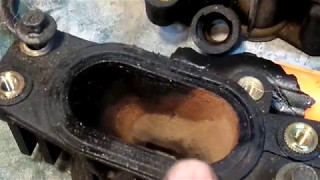
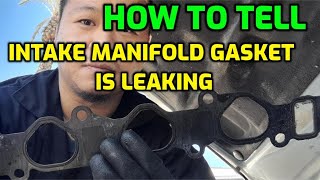
If your 2006-2013 Ford Escape is experiencing a rough idle, poor acceleration, or has the check engine light on, a failing intake manifold gasket could be the culprit. These gaskets are made of rubber and plastic and can shrink, crack, or compress over time, leading to unmetered air entering the engine—a condition known as a vacuum leak. 🎬 Watch this video for tips on identifying and repairing vacuum leaks. This is a common issue, especially on the 3.0L V6 models, that can disrupt engine performance and fuel economy.
Generation & Engine Note
The 2006-2013 year range covers multiple Ford Escape generations and engines (2.3L I4, 2.5L I4, 3.0L V6, and the redesigned 2013 models). While vacuum leaks are a common problem across these engines, the 3.0L V6 is particularly known for intake gasket failure. Always verify your specific engine to ensure you purchase the correct gasket set.
OEM vs. Aftermarket Gaskets
When replacing your intake gaskets, you have the choice between Original Equipment Manufacturer (OEM) and aftermarket parts. OEM gaskets are the same ones your Escape was built with, but they can be pricey. Aftermarket gaskets offer a more affordable solution, and reputable brands often meet or exceed OEM quality. Brands like Victor Reinz, for example, are often suppliers for original car manufacturers and are well-regarded for their quality and reliability. Budget-friendly brands like Apex can also provide a reliable seal, and many mechanics have positive experiences with them. For a part like an intake gasket, a quality aftermarket set is a smart and cost-effective choice.
Choosing the Right Aftermarket Brand
Not all aftermarket parts are created equal. Here’s a quick look at the brands available:
- Victor Reinz: Often considered a top-tier aftermarket brand, Victor Reinz is known for producing OEM-quality gaskets. Mechanics often prefer them for their reliability, especially on European vehicles, which speaks to their quality standards. If you want peace of mind and a fit that's as good as the original, Reinz is a strong choice.
- Apex: Generally viewed as a reliable budget-friendly option. While not always having the same top-tier reputation as Victor Reinz, Apex gaskets are widely used and considered a good value for the price.
- Victor Gaskets: It's important to distinguish Victor Gaskets from Victor Reinz (which is part of the Dana corporation). While both are established names, Victor Reinz is more commonly cited by mechanics as a preferred premium brand.
Pro Tip: While replacing the intake manifold gaskets, it's a good idea to also replace the EGR valve gasket if your engine is equipped with one and it needs to be removed for access. Also, thoroughly clean the mating surfaces on both the cylinder head and the intake manifold to ensure the new gaskets seal properly.
🎬 Learn how to properly clean and prep your intake surfaces.| Part Type | Estimated Cost |
|---|---|
| New Aftermarket Gasket Set | $22 - $66 |
| New OEM Gasket Set | $80 - $321 |
| Shop Labor | $294 - $686 |
| Total Professional Replacement (Aftermarket) | $316 - $752 |
Frequently Asked Questions
Can I drive my Escape with a leaking intake gasket?
Yes, but it's not recommended for long. Driving with a vacuum leak can lead to poor fuel economy, rough running, and stalling. Over time, a lean air-fuel mixture can cause the engine to run hotter, potentially damaging the catalytic converter.
Can I reuse my old intake manifold gaskets?
No. Intake manifold gaskets are a one-time-use part. They are designed to crush and deform to create a seal. Once removed, they will not seal properly again. Always use a new gasket set for this repair.
What are the OBD-II codes for a bad intake gasket?
The most common codes are P0171 (System Too Lean Bank 1) and P0174 (System Too Lean Bank 2) for V6 engines. You might also see a general misfire code like P0300 or codes for specific cylinders (P0301-P0306).
Is replacing the intake gasket a DIY job?
For an experienced DIY mechanic, this is a manageable job. However, it requires removing many components like the air intake, throttle body, fuel rail, and various sensors and hoses. The difficulty varies between the 4-cylinder and V6 engines, with the V6 being more complex. If you are not comfortable with this level of disassembly, it is best to leave it to a professional.
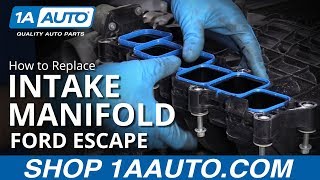
🎬 See a step-by-step guide on replacing the intake manifold gasket.Helpful Videos
Technical Specifications
OEM Part Numbers: 6L8Z9439AA 1L5Z9439BA YL8Z9439BA YL8Z9439BB
Set typically includes upper (plenum) and lower intake manifold gaskets. Material is typically a combination of molded rubber and plastic or metal carrier. The specific set required depends on the engine (2.3L I4, 2.5L I4, or 3.0L V6).
We Have This Part in Stock


The information in this article is provided for general reference and educational purposes only. Vehicle specifications, procedures, and part compatibility can vary by production date, trim level, and region. Always consult your vehicle's factory service manual and verify part numbers before purchasing or performing repairs. Safety-critical components such as airbags, seat belts, and braking systems should be installed by a qualified professional.
- Ford Escape: