

Ford Fusion Engine Valve Lifter Replacement for 2006-2013 Models
Hearing a ticking noise from your engine? This guide covers the symptoms and solutions for valve lifter issues in your Ford Fusion.
- A ticking noise is the main symptom, but not all ticking on a Fusion engine means a bad lifter; it can be a normal sound.
- For 2006-2007 3.0L V6 models, a specific TSB addresses a ticking noise caused by cam caps, not lifters.
- This is a labor-intensive repair; always replace lifters as a full set to avoid repeating the job.
- Using high-quality oil and performing regular oil changes is the best way to prevent lifter failure.
Is Your Fusion's Engine Ticking? It Might Be the Lifters
A rhythmic ticking or tapping sound coming from the top of your engine is the most common sign of a failing valve lifter. This noise often changes with engine speed. You might notice it's louder on a cold start and quiets down as the engine warms up, or it could be persistent. However, it's important to know that the Duratec engines in many 2006-2013 Fusions are known for being generally noisy, and a light ticking can sometimes be the normal sound of the fuel injectors.
🎬 Watch: Hear what a noisy Ford Fusion engine sounds likeTSB for 3.0L V6 Ticking Noise
For some 2006-2007 Fusions with the 3.0L V6, Ford issued a Technical Service Bulletin (TSB 08-3-10) for a ticking noise from the left cylinder head. This specific issue is often caused by a camshaft cap problem, not a bad lifter. The fix involves retorquing the cam caps, which is a much less intensive job than replacing lifters. If you have one of these models, investigate this TSB before assuming the lifters are bad.
Choosing the Right Aftermarket Lifters
When replacing lifters, you have options from OEM and aftermarket brands. For this job, the quality of the part is critical because the labor is so intensive. You don't want to do this job twice.
- Premium Aftermarket (Good Alternative to OEM): Brands like Melling and Sealed Power have a long-standing reputation for producing quality engine components. Melling is often considered comparable to OEM quality by mechanics. Sealed Power is also a trusted name, though some users have reported occasional issues with noise after installation.
- Budget Aftermarket (Use with Caution): Brands like DNJ Engine Components and DJ Rock are available at a lower price point. However, reviews for DNJ are often negative, with many mechanics referring to them as "basement tier" parts suitable only for budget builds where long-term reliability is not the primary concern. It is generally recommended to invest in higher-quality lifters to avoid premature failure.
- OEM (Original Equipment Manufacturer): Ford OEM lifters are a reliable choice, ensuring a perfect fit and function. They typically cost more per part than aftermarket options, but provide peace of mind.
Pro Tip: Replace Them All
If one lifter has failed, others are likely worn as well. Because this is a labor-intensive job that requires removing the camshafts, it is highly recommended to replace all the lifters on the affected cylinder head (or the entire engine) at the same time. Soaking new hydraulic lifters in clean engine oil overnight before installation is also a critical step to ensure they are properly lubricated on startup.
| Category | Estimated Cost |
|---|---|
| New Aftermarket Lifter (Single) | $15.74 - $52.85 |
| New OEM Lifter (Single) | $25 - $50 |
| Shop Labor | $700 - $1,500+ |
| Total Professional Replacement | $1,000 - $2,500+ |
Cost estimates are for reference only and will vary based on your location, vehicle's engine (I4 vs. V6), and the repair shop's labor rates. The total cost reflects replacing a full set of lifters.
Frequently Asked Questions
Do I have to replace my lifters if I hear a ticking noise?
Not always. First, confirm the noise isn't from a less serious issue like an exhaust leak or normal injector operation. If you have a 2006-2007 3.0L V6, check TSB 08-3-10 regarding cam cap torque. If the ticking is loud, persistent, and accompanied by performance issues, replacement is necessary to prevent further engine damage.
Can a bad valve lifter damage my Fusion's engine?
Yes. A collapsed or seized lifter can cause a misfire and poor performance. If left untreated, it can lead to a damaged camshaft, rocker arms, or valves, which are much more expensive repairs. In severe cases, metal debris can contaminate the engine oil, leading to catastrophic failure.
What causes valve lifters to fail?
The most common cause is related to engine oil. Infrequent oil changes, using the wrong oil viscosity, low oil levels, or engine sludge can block the small oil passages in the lifters, causing them to collapse or wear out.
🎬 See how oil additives can help quiet lifter tickIs this a DIY job?
For most people, no. Replacing valve lifters requires removing the valve covers, intake manifold (on the V6), and camshafts. This is a complex job that requires specialized tools and a good understanding of engine mechanics. An incorrect procedure can lead to severe engine damage. It is recommended for advanced DIYers or professional mechanics.
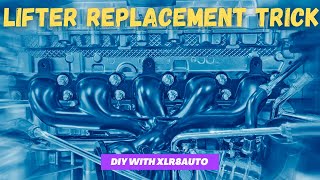
🎬 Watch: A pro tip for replacing lifters without removing camshaftsHelpful Videos
Technical Specifications
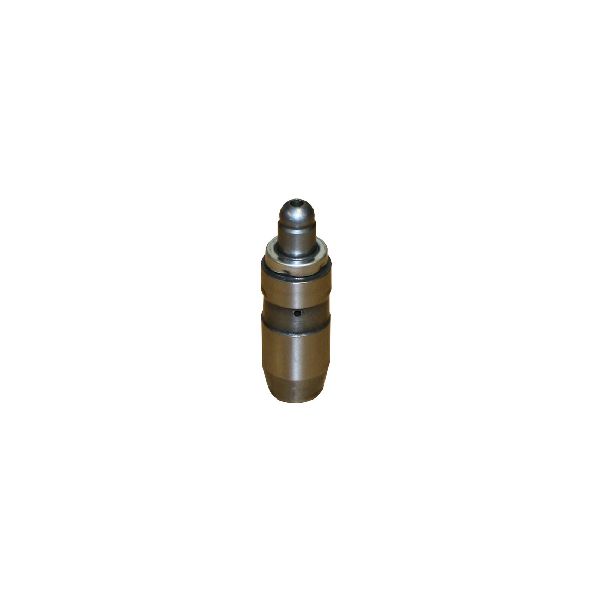
OEM Part Numbers: F6DZ-6C501-A AT4Z-6500-ALA CP9Z-6500-BAB 1S7Z-6500-CA
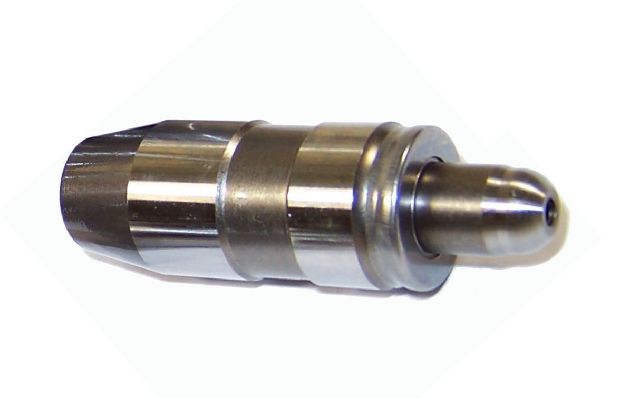
The 2006-2013 Ford Fusion uses hydraulic lash adjusters (HLAs), also known as hydraulic valve lifters. These are not solid lifters and do not require periodic adjustment. The specific part number varies by engine (2.3L I4, 2.5L I4, 3.0L V6, 3.5L V6) and model year.
We Have This Part in Stock


The information in this article is provided for general reference and educational purposes only. Vehicle specifications, procedures, and part compatibility can vary by production date, trim level, and region. Always consult your vehicle's factory service manual and verify part numbers before purchasing or performing repairs. Safety-critical components such as airbags, seat belts, and braking systems should be installed by a qualified professional.
- Ford Fusion: