

Ford Ranger Oxygen Sensor Guide: 2006-2013 Models
Getting a check engine light? This guide will help you choose the right oxygen sensor for your 2006-2013 Ford Ranger.
- First, identify your engine (2.3L I4 or 4.0L V6) to know if you need two or four sensors.
- A check engine light with codes like P0133 or P0153 is a strong indicator of a failing oxygen sensor.
- For best results, choose OEM-quality aftermarket brands like Bosch, Denso, or NGK/NTK, as they are often the original equipment manufacturer.
- Use a specialized O2 sensor socket and penetrating oil to make the replacement job much easier.
Is Your Ranger's Check Engine Light On?
A common reason the check engine light comes on in a 2006 to 2013 Ford Ranger is a failing oxygen sensor. Along with the light, you might notice your truck is getting worse gas mileage, idling roughly, or failing an emissions test. 🎬 Watch: Learn more about common symptoms of a bad sensor. These sensors operate in a harsh environment and wear out over time.
How Many Oxygen Sensors Does My Ranger Have?
This is the most important question to answer before buying. It depends on your engine:
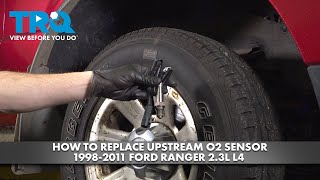
- 2.3L 4-Cylinder: Your truck has two oxygen sensors. One is an upstream sensor (before the catalytic converter) and one is a downstream sensor 🎬 See this walkthrough for replacing the upstream sensor on 2.3L engines. (after the catalytic converter).
- 4.0L V6: Your truck has four oxygen sensors. There is one upstream and one downstream sensor for each bank of cylinders (Bank 1 and Bank 2). Bank 1 is the passenger side of the engine.
Choosing the Right Aftermarket Oxygen Sensor
You don't have to buy the most expensive part to get good quality. For a critical part like an O2 sensor, however, it's best to avoid the cheapest options. Here’s a breakdown of the available brands:
OEM & OEM-Quality Brands
These brands are known to be original equipment suppliers for Ford and other major automakers. They are the safest and most reliable choices.
- Motorcraft: This is Ford's official parts brand and the original part that came on your truck. It's a guaranteed fit and quality, but usually the most expensive option.
- Bosch: Bosch is widely reported by mechanics and Ranger owners to be the original manufacturer for many of Ford's sensors. They offer OEM quality, often at a lower price than the Motorcraft-branded part.
- Denso & NGK (NTK): Both are top-tier Japanese brands that are OEM for many vehicles. They are known for their reliability and longevity and are considered an excellent choice for any vehicle, including the Ranger.
Reputable Aftermarket Brands
These brands are well-established in the aftermarket and offer a good balance of price and quality.
- Delphi: A major American OEM supplier, Delphi parts are a reliable choice.
- Walker Products: A known name in exhaust and emission components, offering a solid mid-range option.
Budget-Friendly Brands
These brands compete on price. While tempting, some owners report issues like premature failure or "lazy" sensor readings that don't always set a code but hurt performance. Consider these if you're on a tight budget, but be aware of the potential trade-off in longevity.
- DriveWire, Spectra, Vemo
Known Issues, Recalls, or TSBs
Searches of the National Highway Traffic Safety Administration (NHTSA) database and other technical resources show no specific recalls or widespread Technical Service Bulletins (TSBs) for oxygen sensor failures on the 2006-2013 Ford Ranger. Failures are typically due to normal wear and tear from age, mileage, and heat cycles.
Cost of Replacing a Ford Ranger Oxygen Sensor
| Item | Estimated Cost |
|---|---|
| New Aftermarket Oxygen Sensor | $34 - $96 |
| Shop Labor (per sensor) | $60 - $120 |
| Total Estimated Cost (DIY) | $34 - $96 |
| Total Estimated Cost (Installed at Shop) | $94 - $216 |
Frequently Asked Questions
Can I clean my old oxygen sensor?
While some people try, it is not recommended. Contaminants that cause a sensor to fail are often internal. Cleaning the outside won't fix a worn-out sensor, and you risk damaging it further. Replacement is the only reliable solution.
What's the difference between an upstream and downstream sensor?
The upstream sensor (Bank 1 Sensor 1 or Bank 2 Sensor 1) is located before the catalytic converter. It measures oxygen in the raw exhaust to help the engine computer adjust the air/fuel mixture. The downstream sensor (Bank 1 Sensor 2 or Bank 2 Sensor 2) is after the catalytic converter and its main job is to make sure the converter is working correctly.
Do I need a special tool to replace an O2 sensor?
Yes, it's highly recommended. An O2 sensor socket is a special deep socket with a slot cut down the side to fit over the sensor's wire. Using one prevents damage to the wire and makes the job much easier. In some cases, a 7/8-inch or 22mm wrench can work, but access is often tight.
Should I replace all the sensors at once?
It's not always necessary, but it can be a good idea, especially on high-mileage vehicles. O2 sensors age and their response time slows down. If one has failed, others of the same age may not be far behind. Replacing upstream sensors in pairs (on a V6) is recommended to ensure balanced readings for the engine.
Helpful Videos
![Bad O2 Sensor Symptoms Downstream & Upstream [Oxygen Sensor Failure and Causes] How to fix & Replace](https://img.youtube.com/vi/b-xxdBlikSA/mqdefault.jpg)
Technical Specifications
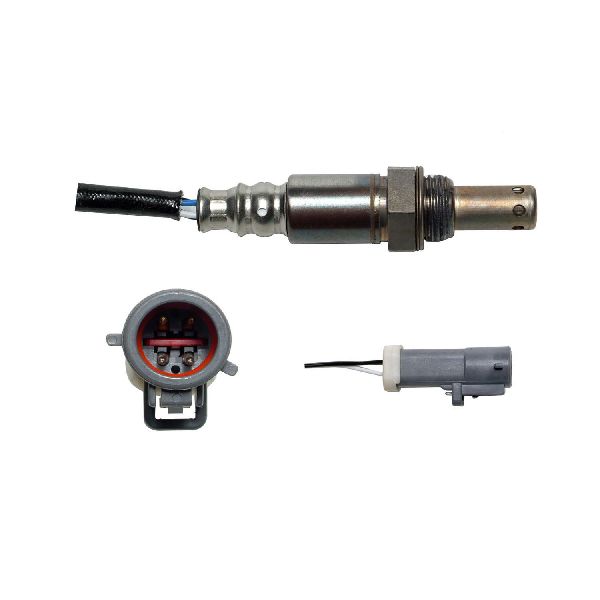
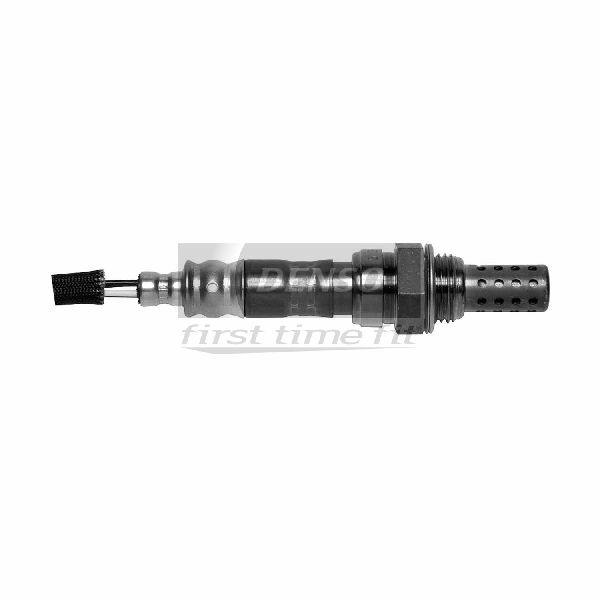
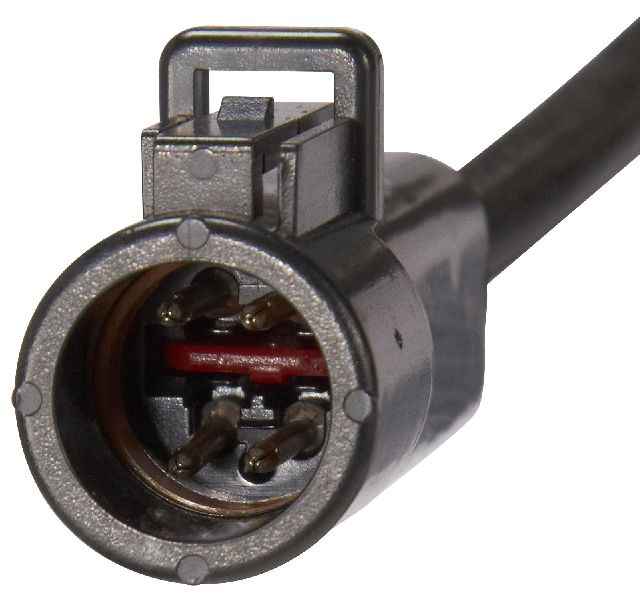
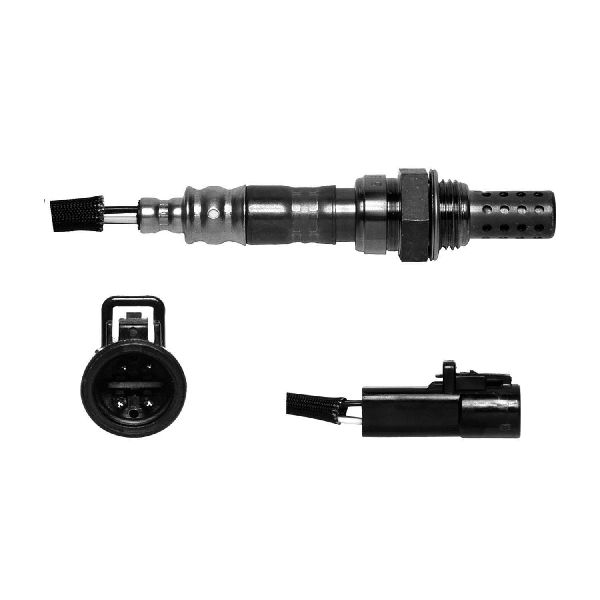
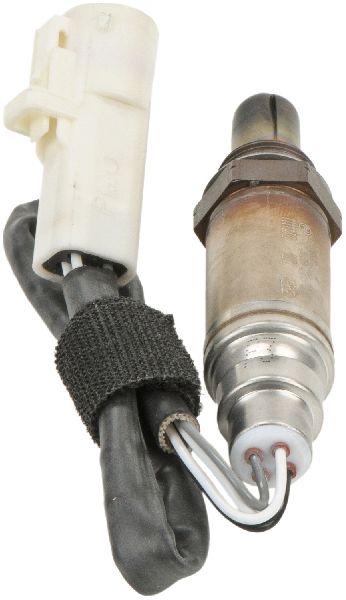
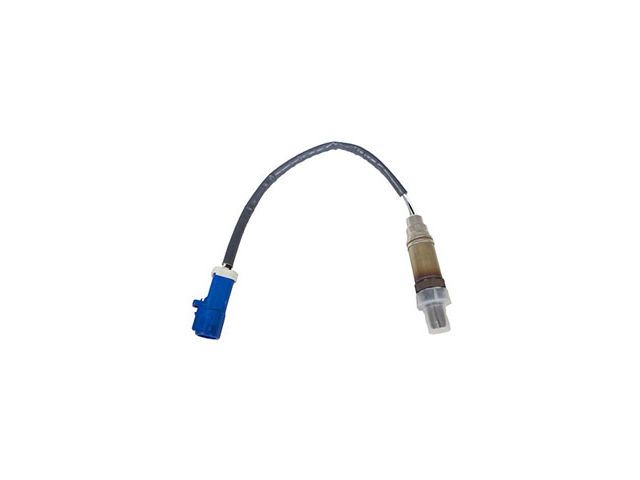
Your 2006-2013 Ford Ranger uses 4-wire heated oxygen sensors (HO2S). The number of sensors depends on the engine: two for the 2.3L I4 and four for the 4.0L V6. Common aftermarket part numbers include Bosch 15717. Always verify the part number for your specific engine and sensor location (upstream/downstream, left/right bank) before purchasing.
We Have This Part in Stock

The information in this article is provided for general reference and educational purposes only. Vehicle specifications, procedures, and part compatibility can vary by production date, trim level, and region. Always consult your vehicle's factory service manual and verify part numbers before purchasing or performing repairs. Safety-critical components such as airbags, seat belts, and braking systems should be installed by a qualified professional.
- Ford Ranger:
- 🎬 Helpful Videos
- 🛍️ Shop This Part
- Is Your Ranger's Check Engine Light On?
- How Many Oxygen Sensors Does My Ranger Have?
- Choosing the Right Aftermarket Oxygen Sensor
- OEM & OEM-Quality Brands
- Reputable Aftermarket Brands
- Budget-Friendly Brands
- Known Issues, Recalls, or TSBs
- Cost of Replacing a Ford Ranger Oxygen Sensor
- Frequently Asked Questions
- 🎟️ Get 5% Off