

A Practical Guide to the Oxygen Sensor for the 2006-2013 Toyota RAV4
Learn how to spot a failing oxygen sensor on your RAV4 and choose the right replacement part to restore fuel economy and performance.
- For best results and reliability, choose a Denso or NGK brand oxygen sensor, as Denso is the Original Equipment Manufacturer for Toyota.
- A bad oxygen sensor will cause a failed emissions test and can damage your catalytic converter over time if ignored.
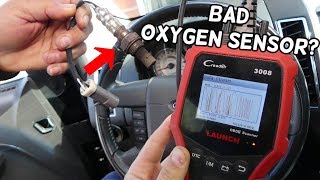
- Use an OBD-II scanner to read the specific trouble code to identify exactly which sensor needs replacement.
- Sensors can be seized by rust; soaking with penetrating oil and using a special 22mm O2 sensor socket is recommended for DIY replacement.
Symptoms of a Failing Oxygen Sensor

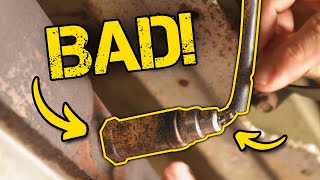
When an oxygen sensor starts to fail, your RAV4 will give you several warning signs. The most obvious is the Check Engine Light illuminating on your dashboard. You may also notice a significant drop in fuel economy, as the engine's computer may be running a rich fuel mixture to compensate for the bad sensor data. Other common symptoms include a rough idle, engine hesitation or misfires, and a rotten egg smell from the exhaust, which indicates unburned fuel is overheating the catalytic converter. In states with emissions testing, a bad O2 sensor will cause your vehicle to fail the test.
Don't Ignore a Bad O2 Sensor
While you can technically drive with a faulty oxygen sensor, it's not recommended. Continuing to drive can lead to poor engine performance, significantly reduced gas mileage, and, most importantly, potential damage to your expensive catalytic converter over time.
Choosing the Right Aftermarket Oxygen Sensor

When replacing an oxygen sensor on your 2006-2013 RAV4, you have several aftermarket brands to choose from. For this specific vehicle, the original equipment manufacturer (OEM) is Denso. This means Denso sensors were installed at the factory. For best performance and guaranteed compatibility, sticking with the OEM supplier is a wise choice.
Brand Quality Tiers
- Tier 1 (OEM & Equivalent): Denso and NGK. Denso is the original part manufacturer for Toyota. NGK is another top-tier supplier known for excellent quality and reliability. Choosing either of these brands is the closest you can get to the original part without the dealership price tag.
- Tier 2 (Quality Aftermarket): Bosch and Delphi. Bosch is a massive, reputable parts manufacturer that invented the automotive oxygen sensor. While generally high quality, some Toyota owners in forums report occasional compatibility issues compared to using the OEM Denso part. However, many have used them without issue.
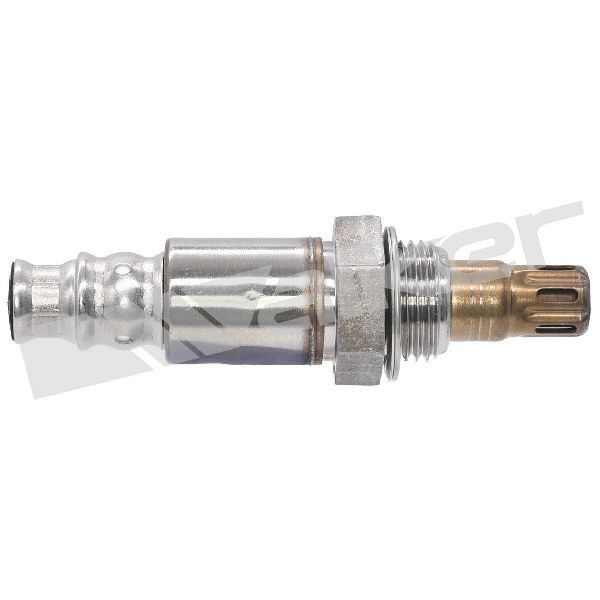
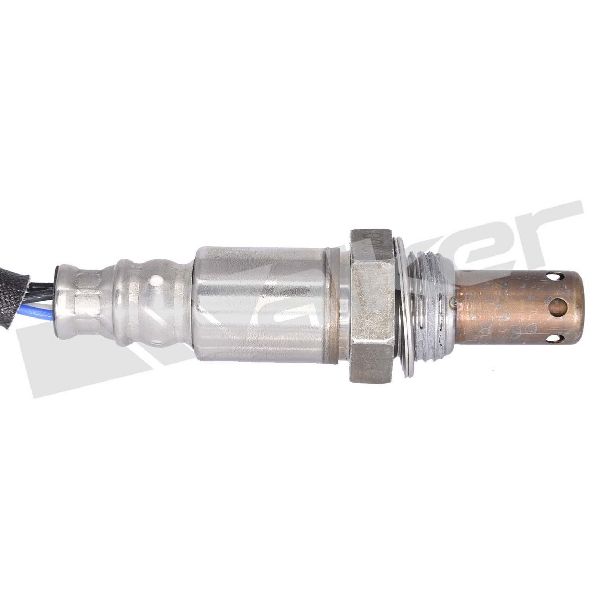
- Tier 3 (Budget-Friendly): Walker Products and DriveWire. These brands offer a more affordable price point. They can be a viable option if budget is the primary concern, but may not offer the same longevity or precise calibration as the higher-tier brands.
Air/Fuel Ratio Sensor vs. Oxygen Sensor
For your RAV4, the upstream sensor (before the catalytic converter) is often called an Air/Fuel Ratio (A/F) Sensor. It is a more sophisticated, wide-band type of oxygen sensor. The downstream sensor (after the converter) is a traditional, narrow-band oxygen sensor. Make sure you are buying the correct type for the position you are replacing.
How Many Sensors Does My RAV4 Have?

The number of oxygen sensors on your 2006-2013 RAV4 depends on the engine:
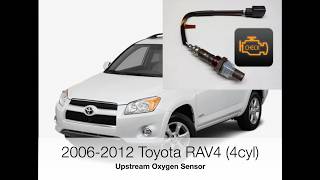
- 4-Cylinder Engine (2.4L & 2.5L): These models typically have two sensors: one upstream (A/F sensor) in the exhaust manifold and one downstream 🎬 See this walkthrough for replacing the upstream sensor on 4-cylinder models. (O2 sensor) after the catalytic converter.
- V6 Engine (3.5L): These models have four sensors. There are two exhaust banks, so there is one upstream A/F sensor and one downstream O2 sensor for each bank.
Known Issues, Recalls, and TSBs
As of early 2026, there are no specific recalls from the NHTSA for oxygen sensor failure on the 2006-2013 Toyota RAV4. However, Toyota has issued Technical Service Bulletins (TSBs) related to check engine lights that can be caused by oxygen sensor circuit issues. For example, TSB-0187-12 addresses trouble codes like P0138 (Oxygen Sensor Circuit High Voltage), which may require sensor replacement. Owners in forums frequently discuss sensors getting seized in the exhaust pipe, sometimes requiring heat from a torch to remove.
Cost of Replacing an Oxygen Sensor (2006-2013 Toyota RAV4)

| Part/Service | Estimated Cost |
|---|---|
| New OEM Sensor (Denso) | $120 - $350 per sensor |
| New Aftermarket Sensor | $40 - $308 per sensor |
| Shop Labor | $88 - $150 per sensor |
Frequently Asked Questions
Can I replace a RAV4 oxygen sensor myself?
Yes, this is a DIY-feasible job for someone with basic mechanical skills. The main challenge is often accessing the sensor and removing it if it's rusted in place. You will need a special oxygen sensor socket (usually 22mm or 7/8") that allows the wire to pass through. Always let the exhaust cool down completely before starting.
What's the difference between upstream and downstream sensors?
The upstream sensor (Bank 1, Sensor 1 or Bank 2, Sensor 1) is located before the catalytic converter and is the primary sensor used to control the engine's air-fuel mixture. The downstream sensor (Bank 1, Sensor 2 or Bank 2, Sensor 2) is located after the catalytic converter and its main job is to monitor the converter's health and efficiency.
Should I replace all oxygen sensors at once?
It is not always necessary. Use an OBD-II scanner to identify the specific code, 🎬 Learn how to test and fix sensors using a scan tool. which will tell you which sensor has failed (e.g., P0138 points to Bank 1, Sensor 2). However, if your vehicle has high mileage (over 100,000 miles), the other sensors may not be far from failing, so replacing them in pairs (both upstream or both downstream on a V6) or all at once can be preventative maintenance.
Can I clean an oxygen sensor?
While some online sources suggest cleaning O2 sensors, it is generally not a reliable or long-term fix. The sensing element can become contaminated internally, which cleaning cannot resolve. Replacement is the recommended repair for a failed sensor.
Helpful Videos
Technical Specifications
OEM Part Numbers: 89465-0R030 89465-0R020 89465-42150 89467-42080 89467-42050
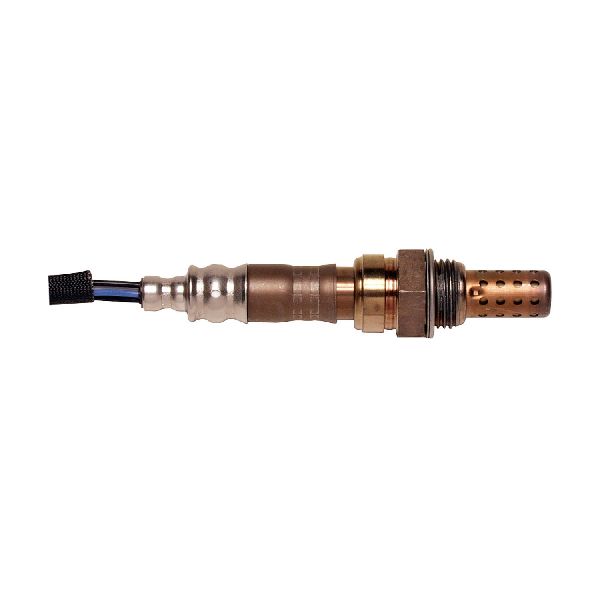
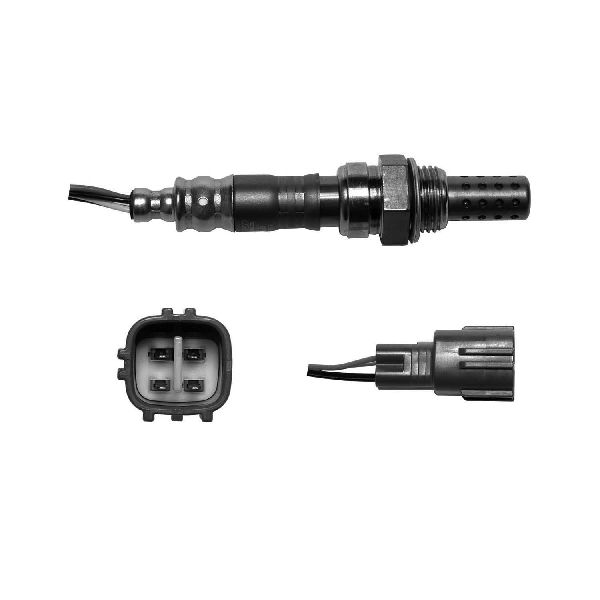
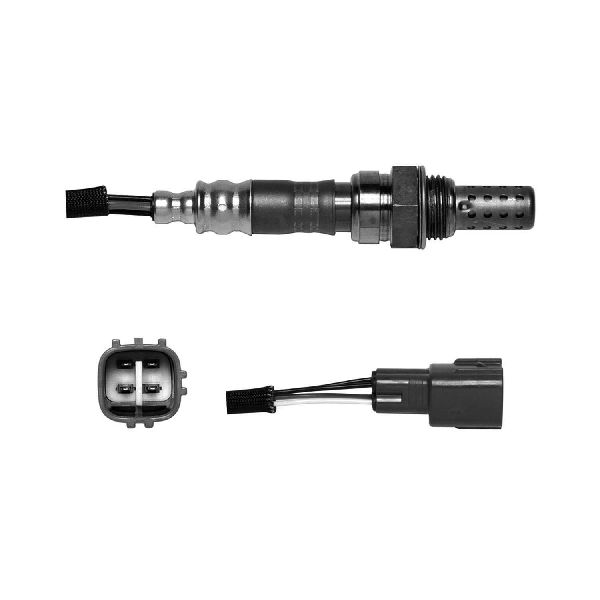
Your RAV4 uses heated, 4-wire oxygen sensors. Upstream sensors are wide-band Air/Fuel Ratio sensors, while downstream sensors are narrow-band. The thread size is typically M18x1.5 and requires a 22mm (7/8") wrench or socket for removal.
We Have This Part in Stock


The information in this article is provided for general reference and educational purposes only. Vehicle specifications, procedures, and part compatibility can vary by production date, trim level, and region. Always consult your vehicle's factory service manual and verify part numbers before purchasing or performing repairs. Safety-critical components such as airbags, seat belts, and braking systems should be installed by a qualified professional.
- Toyota RAV4:
- 🎬 Helpful Videos
- 🛍️ Shop This Part
- Symptoms of a Failing Oxygen Sensor
- Don't Ignore a Bad O2 Sensor
- Choosing the Right Aftermarket Oxygen Sensor
- Brand Quality Tiers
- Air/Fuel Ratio Sensor vs. Oxygen Sensor
- How Many Sensors Does My RAV4 Have?
- Known Issues, Recalls, and TSBs
- Cost of Replacing an Oxygen Sensor (2006-2013 Toyota RAV4)
- Frequently Asked Questions
- 🎟️ Get 5% Off