

A Sequoia Owner's Guide to Replacing Oxygen Sensors (2006-2013)
Fix your check engine light and poor gas mileage by choosing the right oxygen sensor for your V8 Sequoia.
- Denso is the original equipment manufacturer (OEM) and the most recommended brand for a reliable, long-lasting replacement.
- Your Sequoia has four sensors; use a code scanner to identify the exact one that has failed (e.g., Bank 1 Sensor 2) before ordering.
- A special slotted oxygen sensor socket makes removal much easier and prevents damage to the wiring.
- Ignoring a bad oxygen sensor can lead to costly damage to your catalytic converters over time.
Is Your Sequoia's Oxygen Sensor Failing?

When an oxygen sensor (or O2 sensor) starts to go bad, your truck will tell you. The most obvious sign is the check engine light appearing on your dashboard. You will also likely notice a drop in fuel economy because the engine's computer may be adding too much fuel to compensate for the bad sensor reading. Other common symptoms include a rough idle, engine hesitation, or even misfires. In some cases, you might smell a rotten egg or gasoline odor from the exhaust, which is a sign of a rich fuel mixture that can damage your expensive catalytic converters over time.
Choosing the Right Aftermarket Oxygen Sensor

Not all aftermarket sensors are created equal. For Toyota vehicles, sticking close to the original equipment (OE) quality is important for avoiding future headaches. The brands available can be grouped into tiers based on quality and reputation among Toyota owners and mechanics.
Tier 1: OEM & OE-Equivalent Brands
These are the safest bet for a direct, trouble-free replacement.
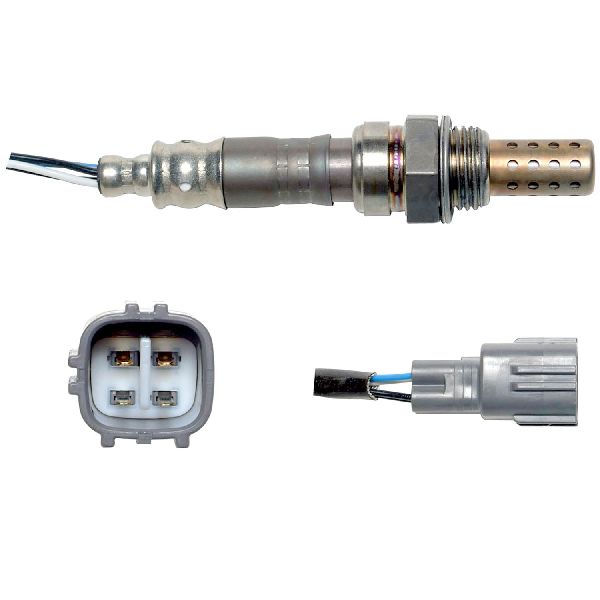
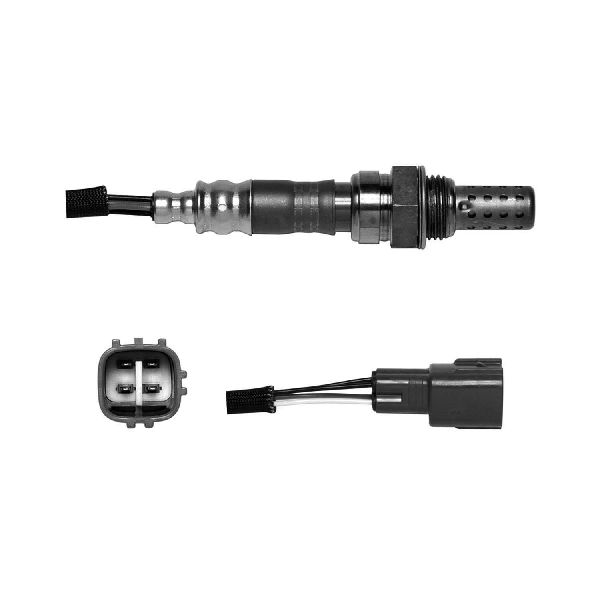
- Denso: Denso is the Original Equipment Manufacturer (OEM) for Toyota, meaning they made the original sensors that came with your Sequoia from the factory. Choosing a Denso sensor is the closest you can get to buying the part from a Toyota dealer without the high markup. It is the most recommended brand for any Toyota.
- NGK / NTK: NTK is the sensor division of NGK (the spark plug company) and is another top-tier Japanese brand known for its OE-quality sensors. They are a highly reliable alternative to Denso and are trusted by many professionals.
Tier 2: Reputable Aftermarket Brands
These brands are well-known and produce quality parts, though they may not be the original supplier for your specific vehicle.
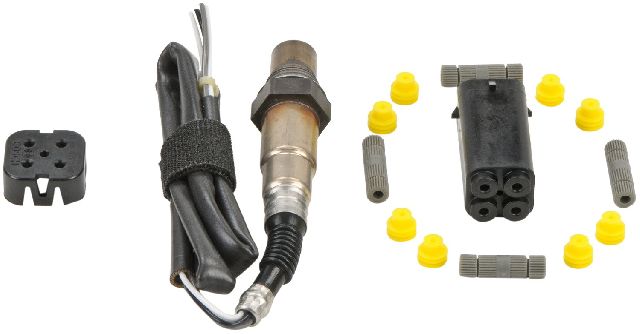
- Bosch: Bosch is a massive automotive parts supplier that actually invented the modern oxygen sensor. While they are the OEM for many European cars, their performance on Toyotas can be debated in forums. They are generally considered a quality part, but most Toyota specialists would still recommend Denso or NGK first.
- Delphi: Delphi is a major global parts supplier with a solid reputation for quality electronics. While not as commonly discussed for Toyota O2 sensors as Denso or Bosch, they are a reliable aftermarket choice.
Tier 3: Value Brands
These brands focus on affordability and are popular with DIY mechanics on a budget. They should work correctly, but their lifespan may not match that of the premium brands.
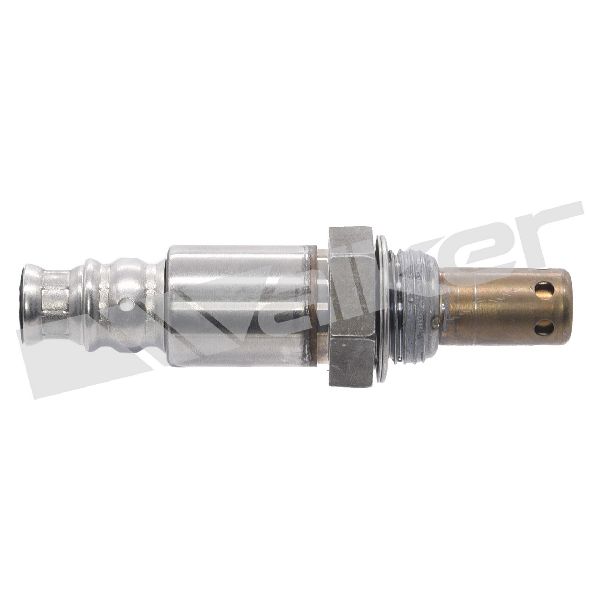
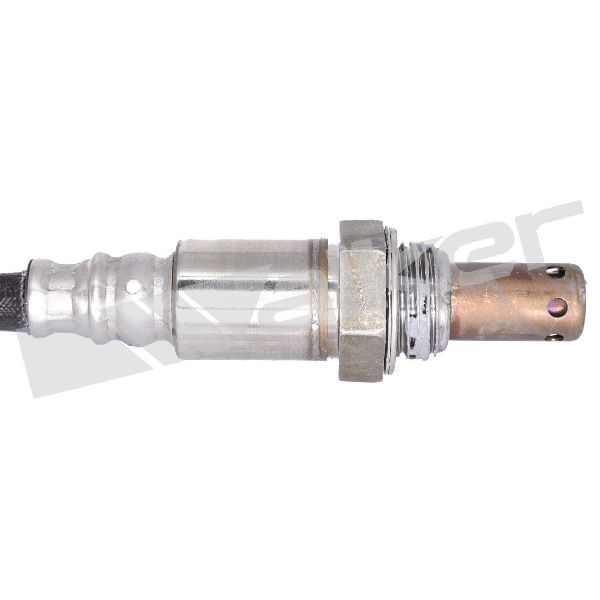
- Walker Products: Walker is known for balancing affordability with performance and is a common sight in auto parts stores. Some users have success with them, but some mechanics note they see more warranty claims compared to OEM brands, especially on sensitive vehicles like Toyota.
- Spectra & DriveWire: These are budget-friendly options. They can be a good choice if the low price is your main priority, but don't be surprised if you have to replace them sooner than a Denso or NGK sensor.
Pro Tip: Upstream vs. Downstream
Your Sequoia has two "upstream" (before the catalytic converter) and two "downstream" (after the catalytic converter) sensors. These parts are different and are not interchangeable. The upstream sensors are often called Air/Fuel Ratio Sensors and are typically more expensive. Always confirm you are buying the correct sensor for the specific location that needs replacement.
Typical Replacement Costs

The cost can vary significantly based on the brand you choose and whether you do the work yourself.
| Part / Service | Estimated Cost |
|---|---|
| New OEM Sensor (Toyota Branded/Denso) | $120 - $190 per sensor |
| New Aftermarket Sensor | $41 - $275 per sensor |
| Shop Labor | $100 - $400 |
| Total Professional Replacement | $161 - $675 (per sensor) |
Frequently Asked Questions

How many oxygen sensors does my 2006-2013 Sequoia have?
Your Sequoia has four oxygen sensors. There is one upstream and one downstream sensor for each side of the V8 engine (Bank 1 and Bank 2).
What's the difference between Bank 1 and Bank 2?
Bank 1 is the side of the engine that contains cylinder #1. On the 2006-2013 Toyota Sequoia, Bank 1 is the driver's side. Bank 2 is the passenger's side.
Can I just clean my old oxygen sensor?
No, cleaning is not a reliable fix. The sensor fails because its internal chemical-reading components wear out over time. Contaminants from oil or coolant can also cause permanent failure. Replacement is the only proper solution.
What tools do I need to replace an oxygen sensor?
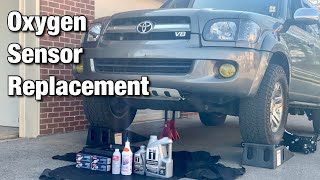
A special tool called an oxygen sensor socket is highly recommended. It's a socket with a slot cut down the side to fit over the sensor's wire. You will also likely need a ratchet with an extension, and penetrating fluid like PB Blaster is a good idea to help loosen a sensor that is rusted in place.
Are there any recalls for the Sequoia oxygen sensor?
No, there are no specific recalls for oxygen sensors on the 2006-2013 Toyota Sequoia. However, Toyota has issued Technical Service Bulletins (TSBs) to help technicians diagnose check engine lights related to O2 sensor codes, which shows it's a common repair.
Helpful Videos
Technical Specifications
OEM Part Numbers: 89467-04060 89465-0C190 89465-0C180 89467-35110
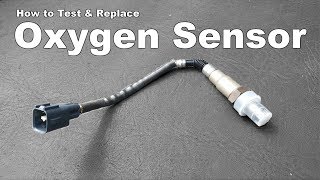
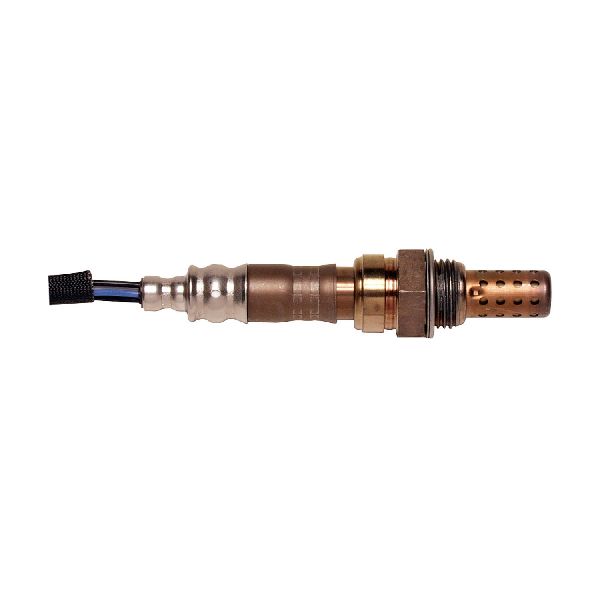
Your Sequoia uses four heated, 4-wire oxygen sensors. Two are upstream Air/Fuel Ratio sensors located in the exhaust manifolds, and two are downstream oxygen sensors located after the catalytic converters.
We Have This Part in Stock

The information in this article is provided for general reference and educational purposes only. Vehicle specifications, procedures, and part compatibility can vary by production date, trim level, and region. Always consult your vehicle's factory service manual and verify part numbers before purchasing or performing repairs. Safety-critical components such as airbags, seat belts, and braking systems should be installed by a qualified professional.
- Toyota Sequoia:
- 🎬 Helpful Videos
- 🛍️ Shop This Part
- Is Your Sequoia's Oxygen Sensor Failing?
- Choosing the Right Aftermarket Oxygen Sensor
- Tier 1: OEM & OE-Equivalent Brands
- Tier 2: Reputable Aftermarket Brands
- Tier 3: Value Brands
- Pro Tip: Upstream vs. Downstream
- Typical Replacement Costs
- Frequently Asked Questions
- 🎟️ Get 5% Off