

A Guide to the Engine Crankcase Vent Valve for the 2006-2013 Volkswagen Golf
If your Golf has a rough idle, a strange whistling noise, or a check engine light, your crankcase vent valve may need attention.
- A loud whistle and a rough idle are classic signs of a failed PCV valve on a 2.0T Golf.
- You can test for failure by checking for strong vacuum at the oil filler cap with the engine running.
- Avoid the cheapest aftermarket parts; they are known to fail quickly. Stick with OEM or a reputable brand.
- For the common 2.0T engine, this is a straightforward DIY replacement that takes less than an hour.
Understanding the Crankcase Vent Valve on Your Golf
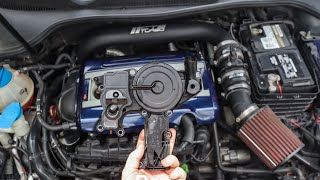
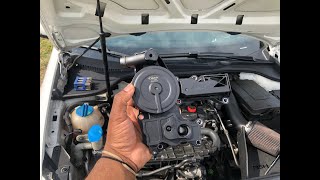
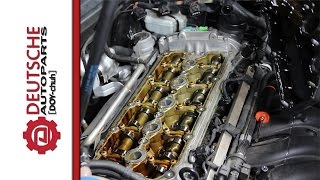
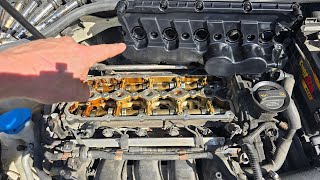
The crankcase vent valve, or PCV valve, is a well-known failure point on many 2006-2013 Volkswagen Golf models, particularly those with the 2.0T TSI and FSI engines. This part is essentially a one-way valve that manages pressure inside your engine. When the internal diaphragm tears or the valve gets clogged, it can cause a variety of engine performance problems. On the 2.0T engines, this part is a self-contained unit located on top of the engine, making it relatively easy to access. For the 2.5L engine, the PCV system is integrated into the valve cover, 🎬 See how to replace the 2.5L valve cover and PCV. which is a different and more involved repair.
Common Symptoms of a Failing Vent Valve
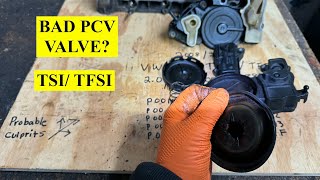
A bad crankcase vent valve can make itself known in several ways. One of the most common signs is a loud whistling or screeching noise coming from the engine bay at idle. You may also notice your engine running poorly, with a rough or unusually high idle, stumbling during acceleration, or even stalling. A failed valve creates a vacuum leak, which throws off the engine's air-fuel mixture and will almost always trigger a Check Engine Light. Other symptoms include increased oil consumption and oil leaks, sometimes from the rear main seal, which is a much more serious repair.
How to Test Your PCV Valve
There's a simple test you can do. With the engine running, try to remove the oil filler cap. If you feel very strong suction holding the cap down, or if the engine stumbles badly or stalls when you remove the cap, the PCV valve has likely failed. A working system should have only light vacuum.
Choosing a New Aftermarket Part: Quality Matters
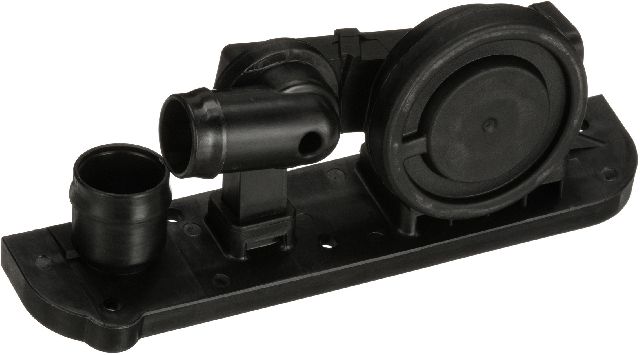
When it comes to replacing the PCV valve on your Golf, you have a choice between original equipment (OEM) and aftermarket parts. Many Volkswagen owners and mechanics recommend using a genuine OEM part for this specific repair. This is because cheap, low-quality aftermarket valves are known to fail quickly or not work correctly right out of the box. However, high-quality aftermarket brands can be a good alternative to the more expensive dealer part. If you choose an aftermarket brand like Gates, you are opting for a component from a reputable manufacturer. The key is to avoid the cheapest available options, as they often lead to repeated repairs.
| Part Type | Estimated Cost |
|---|---|
| New OEM | $100 - $200 |
| New Aftermarket (Gates) | $79.91 |
| Shop Labor | $120 - $250 |
Known Issues and Technical Service Bulletins (TSBs)
Volkswagen has issued technical service bulletins (TSBs) related to excessive oil consumption and crankcase pressure that list replacing the crankcase pressure regulating valve (PCV valve) as part of the fix. This confirms it is a recognized issue from the manufacturer.
Frequently Asked Questions (FAQ)
Can I drive my Golf with a bad crankcase vent valve?
While you can technically drive the vehicle, it is not recommended for long. Continuing to drive with a failed PCV valve can lead to more significant problems, including damage to engine seals from incorrect pressure and damage to the catalytic converter from misfires. It's best to address the issue promptly.
Is replacing the vent valve a DIY job?
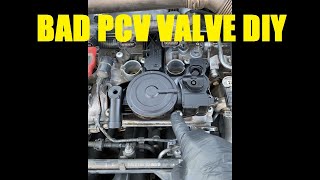
For Golf models with the 2.0T engine, yes. The valve is located on top of the engine and held in by several Torx screws. With basic tools, most DIY mechanics can complete the job in under an hour. 🎬 Watch this step-by-step guide to replacing the 2.0T PCV valve. Several video guides are available online that walk through the process.
Why shouldn't I just buy the cheapest PCV valve I can find?
The diaphragm inside the PCV valve is a sensitive component. Inexpensive aftermarket parts often use lower-quality materials for this diaphragm, causing them to tear and fail in a very short amount of time. This will put you right back where you started, often within a few weeks or months.
How do I know which valve my Golf needs?
The 2006-2013 year range covers both the Mk5 and Mk6 generations, which used different engines (2.0T FSI, 2.0T TSI, 2.5L). The most common failure is the separate PCV unit on the 2.0T engines. The 2.5L engine's PCV is part of the valve cover. It is critical to verify your engine type and check the part number on your existing valve to ensure you order the correct replacement.
Helpful Videos

Technical Specifications
OEM Part Numbers: 06H103495AH 06H103495E 06H103495AC 06F129101P
This part is specific to the engine in your Golf (e.g., 2.0T TSI, 2.0T FSI, 2.5L). Always verify the OEM part number on your car's original valve before ordering a replacement.
We Have This Part in Stock

The information in this article is provided for general reference and educational purposes only. Vehicle specifications, procedures, and part compatibility can vary by production date, trim level, and region. Always consult your vehicle's factory service manual and verify part numbers before purchasing or performing repairs. Safety-critical components such as airbags, seat belts, and braking systems should be installed by a qualified professional.
- Volkswagen Golf:
- 🎬 Helpful Videos
- 🛍️ Shop This Part
- Understanding the Crankcase Vent Valve on Your Golf
- Common Symptoms of a Failing Vent Valve
- How to Test Your PCV Valve
- Choosing a New Aftermarket Part: Quality Matters
- Known Issues and Technical Service Bulletins (TSBs)
- Frequently Asked Questions (FAQ)
- 🎟️ Get 5% Off