

Audi A3 A/C O-Ring and Gasket Kit Guide (2006-2014)
Losing your cool over a weak A/C? Your fix might be simpler than you think.
- A weak A/C is most often caused by a refrigerant leak from a failed O-ring or seal.
- Replacing O-rings is mandatory when changing major A/C components like the compressor.
- This repair requires professional equipment to evacuate and recharge the R134a refrigerant.
- Always lubricate new O-rings with PAG 46 oil to ensure a proper seal and prevent damage.
Is Your A3's Air Conditioning Not So Cool Anymore?
If the air blowing from your vents is warm or just not as cold as it used to be, you're experiencing the most common sign of a problem. For the 2006-2014 Audi A3 (8P generation), this often points to a refrigerant leak. While major components like the compressor or condenser can fail, the most frequent culprits are the small, inexpensive seals that hold the system together. A visual inspection with a UV light can often reveal the source of a leak, showing up as a bright green glow from dye in the system.
A Common Point of Failure
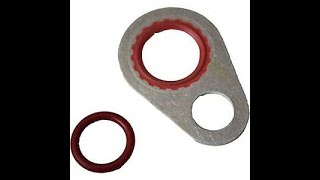
The A/C compressor itself is a known weak spot on this A3 platform. Often, a failing compressor control valve (N280) or a seized compressor is the primary issue. However, any time a major component like the compressor is replaced, it is essential to replace all related O-rings 🎬 Watch this guide on replacing A/C compressor seals and O-rings. and seals to ensure a lasting repair. Attempting to reuse old, compressed seals is a recipe for a new leak.
Choosing the Right Aftermarket Kit
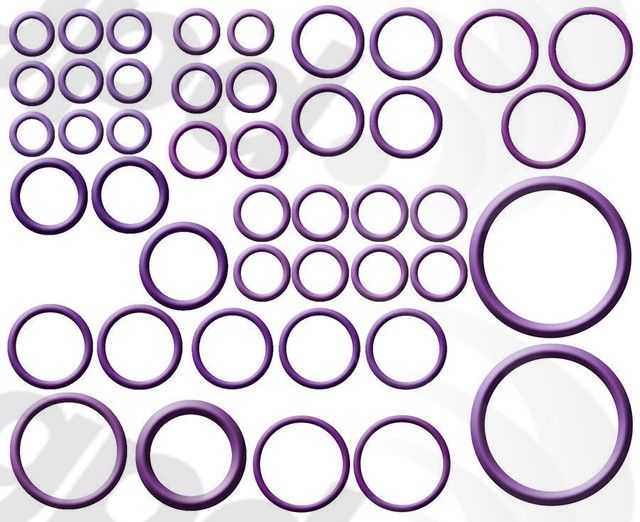
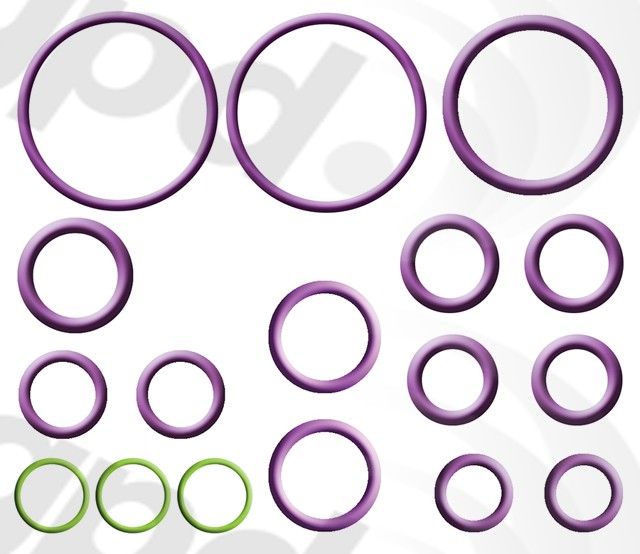
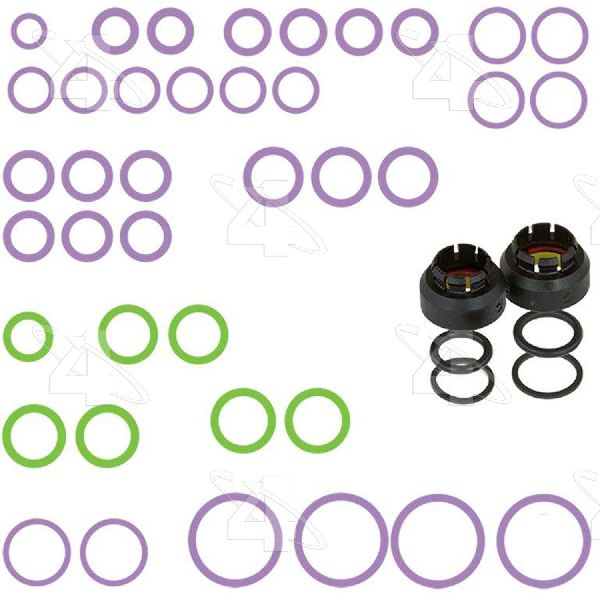
When it's time for a replacement, you'll find several aftermarket options. The price range for these kits, from around $18 to over $120, reflects the number of seals included. A smaller, less expensive kit might only contain the O-rings for a specific repair, like replacing the compressor lines. A master kit will include a comprehensive assortment of seals for the entire A/C system.
For your Audi A3, available aftermarket brands include Four Seasons and Global Parts Distributors (GPD). Both are established names in the A/C parts world. Generally, owner and mechanic feedback suggests that for critical sealing components like O-rings, fitment is key. While both brands are considered reliable for general use, some professional mechanics prefer to use OEM seals when available to guarantee a perfect fit, as even minor size differences in aftermarket rings can cause issues. However, for a DIY repair or a budget-conscious shop visit, a quality aftermarket kit from a known brand is a viable option. There is no strong evidence from owner forums to suggest one brand is significantly better than the other for this specific application.
Pro Tip: Always Use PAG Oil
When installing new O-rings, always lubricate them with the correct type of PAG oil (PAG 46 for the A3's R134a system). This prevents the O-ring from tearing or twisting during installation, which would create a leak. A little oil ensures the seal seats correctly and lasts longer.
Cost to Replace A/C O-Rings on a 2006-2014 Audi A3
The cost can vary dramatically based on which O-ring has failed and where it's located. A simple, accessible seal replacement could be relatively cheap, while a seal that requires removing the dashboard to access the evaporator will be labor-intensive and expensive.
| Part/Service | Estimated Cost |
|---|---|
| New Aftermarket O-Ring Kit | $18 - $129 |
| New OEM O-Rings | $1 - $3 per ring |
| Shop Labor (including system evacuation & recharge) | $150 - $500+ |
| Total Estimated Cost | $170 - $630+ |
Note: Costs are estimates and can vary based on your location, the specific repair needed, and your chosen service center. A full system evacuation and recharge is required for this repair.
Frequently Asked Questions
Do I need to replace all the O-rings at once?
If you are fixing a single, known leak, you can replace just that seal. However, if you are replacing a major component like the compressor or condenser, or if the system has been open for a while, it is highly recommended to replace all the seals you can access. The rubber hardens over time, and disturbing an old seal often causes it to fail soon after.
What refrigerant and oil does my 2006-2014 A3 use?
Your Audi A3 uses R134a refrigerant. The A/C system oil required is PAG 46 viscosity. The system holds approximately 525 grams (18.5 oz) of refrigerant. Always verify the exact capacity for your specific model year and engine.
Is this a DIY-friendly job?
Replacing an easily accessible O-ring can be done by a DIYer, but the A/C system must be professionally evacuated first and recharged after. It is illegal and harmful to the environment to release refrigerant into the atmosphere. Due to the need for specialized equipment (vacuum pump, manifold gauges), this job is often best left to a professional shop.
Were there any recalls on the A/C system for this Audi A3?
No, there have been no specific recalls issued by the NHTSA for the A/C system, its O-rings, or related components on the 2006-2014 Audi A3. However, some Technical Service Bulletins (TSBs) exist for issues like a noisy or inefficient compressor, which would involve replacing O-rings during the repair.
Helpful Videos
Technical Specifications
OEM Part Numbers: 8E0260749 8E0260749A 7H0820749 8E0260749D
Refrigerant Type: R134a, System Oil: PAG 46
We Have This Part in Stock

The information in this article is provided for general reference and educational purposes only. Vehicle specifications, procedures, and part compatibility can vary by production date, trim level, and region. Always consult your vehicle's factory service manual and verify part numbers before purchasing or performing repairs. Safety-critical components such as airbags, seat belts, and braking systems should be installed by a qualified professional.
- Audi A3: