

A Guide to the 2006-2014 Audi A3 High Pressure Fuel Pump
Understanding the critical link between your A3's high pressure fuel pump and its camshaft follower.
- The camshaft follower is the most critical part of the HPFP system; it MUST be replaced with the pump.
- Inspect the cam follower for wear every 20,000-30,000 miles to prevent catastrophic failure.
- Choose an OEM supplier brand like Bosch or Hitachi for the best reliability and to protect your engine.
- A Check Engine Light with code P0087 is a strong indicator of a worn cam follower and/or failing HPFP.
The Most Important Part Isn't the Pump Itself
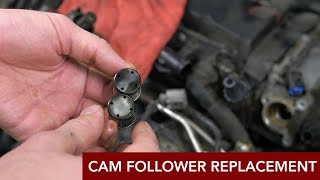
When discussing the high pressure fuel pump (HPFP) on the 2.0T FSI engine, found in many 2006-2008 Audi A3 models, the most critical component to know about is the camshaft follower. This small, inexpensive part, also called a tappet, sits between the HPFP and the intake camshaft lobe that drives it. Its job is to act as a wearable barrier, protecting the pump and the camshaft from direct contact.
Camshaft Follower Wear is the #1 Issue
The follower's protective surface wears down over time. If it wears completely through, the HPFP's piston will grind directly against the camshaft. This will quickly destroy the fuel pump's piston and damage the camshaft lobe, leading to a very expensive repair that requires replacing the pump, the follower, and the entire intake camshaft. Because of this, many Audi specialists recommend checking the cam follower every 20,000 to 30,000 miles and replacing it preventatively.
🎬 Watch: Step-by-step DIY guide for replacing your cam follower.Choosing the Right Aftermarket HPFP
When your HPFP fails, often due to a neglected cam follower, selecting a quality replacement is essential. The market is divided into different quality tiers.
Tier 1: OEM Supplier Brands
These companies manufacture the original parts for Audi. Choosing them ensures you get the same quality, fit, and performance as the part that came on your car from the factory. For a critical component like the HPFP, this is the safest choice.
- Bosch: A primary OEM for many Audi electronic and fuel system components. A Bosch-branded pump is an excellent choice.
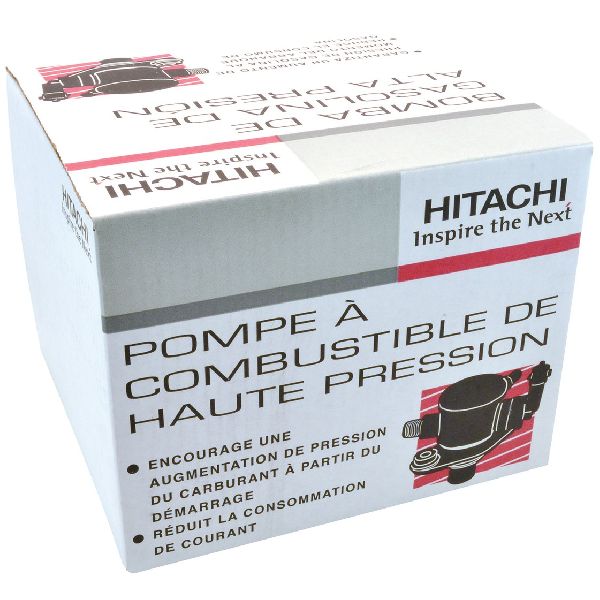
- Hitachi: The original manufacturer for many of the HPFPs used in the 2.0T FSI engine. Choosing a Hitachi pump is equivalent to buying the genuine OEM part.
Tier 2: Reputable Aftermarket Brands
These brands are known for producing quality replacement parts that offer a good balance between price and reliability. They are a solid choice if an OEM supplier part is not available or is outside your budget.
- Delphi: A large, respected manufacturer of various automotive parts with a long history.
- Hella: Another major German brand known for quality electronics and components.
- Standard Ignition (SMP): A trusted name in the aftermarket for electronic and engine management parts.
Tier 3: Budget Brands
These brands focus on providing the lowest-cost option. While tempting, the savings may come at the cost of longevity, performance, and quality control. For a part this critical to your engine's health, using a budget brand is a significant risk.
- Spectra Premium: While they market their pumps as meeting OE standards, real-world feedback for this specific application is limited. Given the risk, it's a gamble.
- URO Parts: Often the most affordable option, but known for potential fitment and longevity issues. Using a URO HPFP on a high-performance, high-stress engine is not recommended by most specialists.
Pro Tip: No matter which brand you choose, you MUST replace the camshaft follower (Part No. 06D109309C), the pump's O-ring seal, and the stretch-to-yield mounting bolts at the same time as the pump. Failure to do so will likely cause a repeat failure.
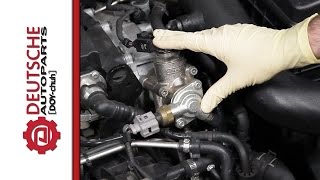
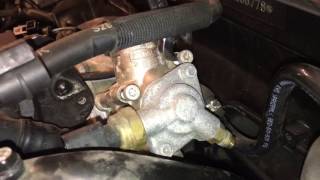
🎬 See how to replace the pump and convert to studs.Known Issues, Recalls, and TSBs
While there was no direct safety recall for the HPFP or cam follower issue on the 2.0T FSI engine, Audi did issue Technical Service Bulletins (TSBs) related to symptoms of a failing pump. TSBs exist that address the diagnostic trouble code P0087 (Fuel Rail Pressure Too Low) and point technicians toward inspecting for a worn intake camshaft. This acknowledges the wear issue without it rising to the level of a safety recall. A recall for 2006-2010 models was for a fuel tank ventilation valve, not the HPFP.
Frequently Asked Questions (FAQ)
Do I have to replace my cam follower with the fuel pump?
Yes, absolutely. It is mandatory. The leading cause of HPFP failure is a worn-through cam follower. Installing a new pump without a new follower will cause the new pump to fail immediately and may also damage your engine's camshaft. The follower is a low-cost part that is essential for protecting the expensive pump.
What's the difference between the HPFP and the in-tank fuel pump?
Your Audi A3 has two fuel pumps. The in-tank pump is a low-pressure electric pump inside your gas tank that sends fuel up to the engine. The HPFP is a high-pressure mechanical pump on the engine that pressurizes that fuel to extreme levels for direct injection. Symptoms like a Check Engine Light with low-pressure codes usually point to the HPFP, while a car that won't start at all could be either pump.
Can a bad HPFP damage my engine?
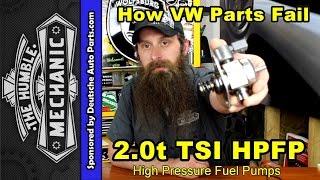
Yes. A complete failure of the cam follower can send metal debris into the engine, causing catastrophic damage. A leaking pump can also dilute your engine oil with gasoline, leading to poor lubrication and bearing damage. 🎬 Watch: A detailed look at how these fuel pumps fail. It is critical to address HPFP issues immediately.
Is a remanufactured or used HPFP a good idea?
It is generally not recommended. The internal tolerances of an HPFP are very precise. You don't know the history of a used pump, and the quality of remanufactured units can vary widely. Given the potential for engine damage, a new pump from a quality brand is a much safer investment.
Helpful Videos
Technical Specifications
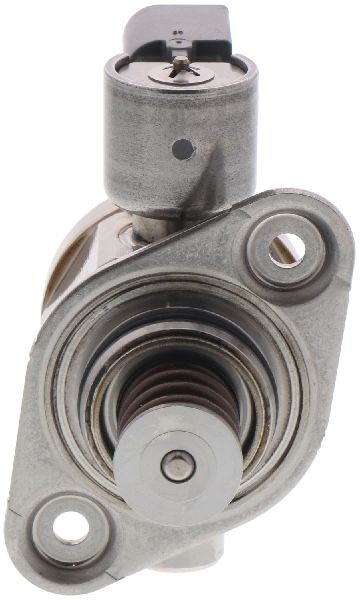
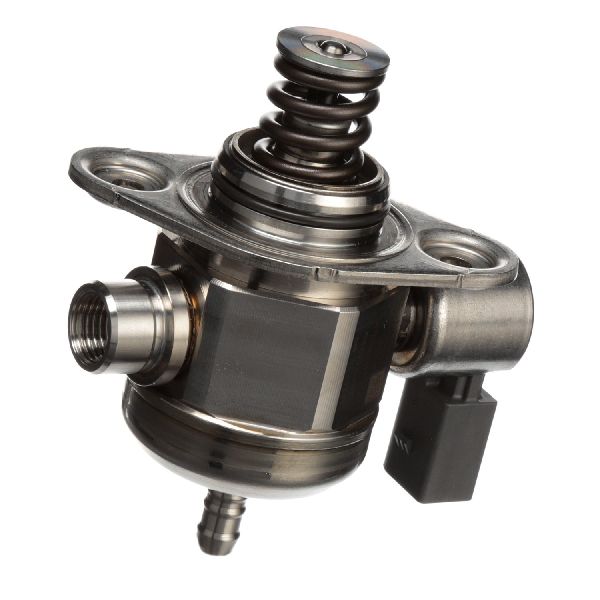
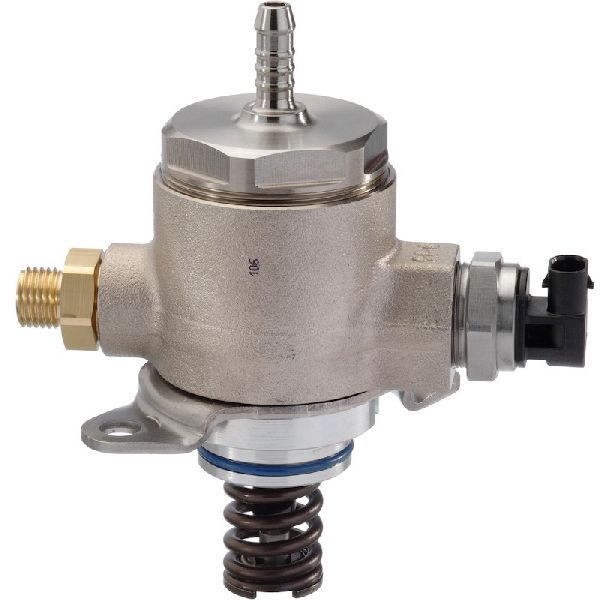
OEM Part Numbers: 06F127025M 06F127025L 06F127025K 06F127025J 06F127025H 06F127025F 06F127025B
Mechanically driven by a lobe on the intake camshaft. Must be replaced with the camshaft follower (06D109309C) and associated hardware.
We Have This Part in Stock


The information in this article is provided for general reference and educational purposes only. Vehicle specifications, procedures, and part compatibility can vary by production date, trim level, and region. Always consult your vehicle's factory service manual and verify part numbers before purchasing or performing repairs. Safety-critical components such as airbags, seat belts, and braking systems should be installed by a qualified professional.
- Audi A3:
- 🎬 Helpful Videos
- 🛍️ Shop This Part
- The Most Important Part Isn't the Pump Itself
- Camshaft Follower Wear is the #1 Issue
- Choosing the Right Aftermarket HPFP
- Tier 1: OEM Supplier Brands
- Tier 2: Reputable Aftermarket Brands
- Tier 3: Budget Brands
- Known Issues, Recalls, and TSBs
- Frequently Asked Questions (FAQ)
- 🎟️ Get 5% Off