

A Guide to Aftermarket Brake Pads for the 2006-2014 Audi A3
Stop the guesswork and find the right brake pads for your A3's performance needs and your budget.
- Confirm your A3's front rotor size (288mm or 312mm) before ordering new pads to ensure correct fitment.
- Ceramic pads from brands like Akebono are a popular choice for reducing the heavy brake dust common with OEM pads.
- Replacing pads on the rear requires a special caliper tool that twists the piston back in; it cannot simply be pushed.
- Always replace the front brake pad wear sensor when you install new pads to ensure the warning system functions correctly.
Is it Time for New Brake Pads?

Your Audi A3 is designed to let you know when its brake pads are getting low. You might see a warning light on your dashboard, which typically means you have between 500 and 1,500 miles to get them replaced. However, there are other signs that indicate your brake pads are worn and need attention.
Choosing the Right Aftermarket Brake Pads for Your A3

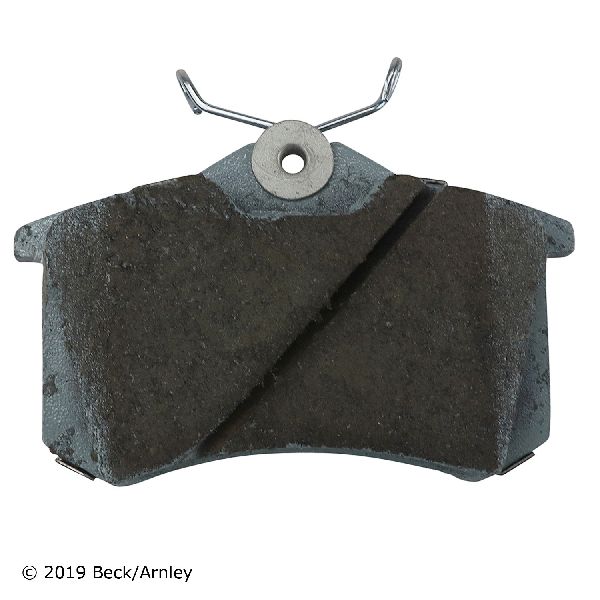
When shopping for new brake pads, you'll mainly choose between two material types: ceramic and semi-metallic. The original pads on your Audi are a semi-metallic type, known for good performance but also for creating a lot of brake dust.
- Ceramic Pads: These are a popular upgrade for A3 owners. They produce significantly less dust than OEM pads, keeping your wheels cleaner. They are also very quiet. Brands like Akebono are well-regarded for their low-dust ceramic pads. The trade-off can sometimes be a slightly less sharp initial "bite" compared to semi-metallic pads.
- Semi-Metallic Pads: These pads offer performance similar to or exceeding the original factory pads. They provide a strong initial bite and are great for spirited driving. However, they tend to be dustier and can sometimes be noisier than ceramic pads.
Don't Forget the Details
Your 2006-2014 A3 has a brake pad wear sensor on the front driver's side. Make sure the new pad set you buy includes a new sensor, or purchase one separately. Also, the rear calipers on this generation A3 require a special tool to twist the piston back in during replacement; they do not simply push back. 🎬 See how to use the rear caliper windback tool. Finally, always confirm your rotor size before ordering, as 288mm and 312mm front rotors were common.
Aftermarket Brand Recommendations

Many reputable brands offer quality brake pads for your A3. Based on owner feedback and mechanic recommendations, they can be grouped into the following tiers:
- Premium & OEM-Equivalent: Brands like Akebono, ATE, Pagid, and Textar are excellent choices. Akebono is highly recommended for its low-dust ceramic pads. Pagid and ATE are often original equipment suppliers to German car manufacturers, offering reliable, factory-like performance.
- Performance-Focused: If you enjoy more spirited driving, consider Hawk Performance or EBC Brakes. Hawk's HPS pads are known for a strong bite once they warm up, but can have less initial bite when cold. EBC offers various compounds, from daily-driver to track-focused.
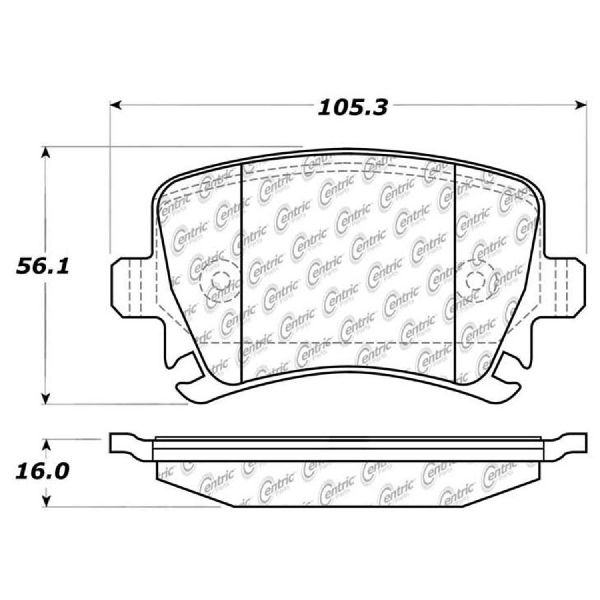
- Quality Daily-Driver: Brands like Bosch, Brembo, Centric, and Raybestos provide a great balance of performance, low noise, and value. While Brembo is famous for high-performance systems, their standard replacement pads are a solid, reliable choice for daily driving, though some users report noise during break-in. Bosch is another trusted option that performs well.
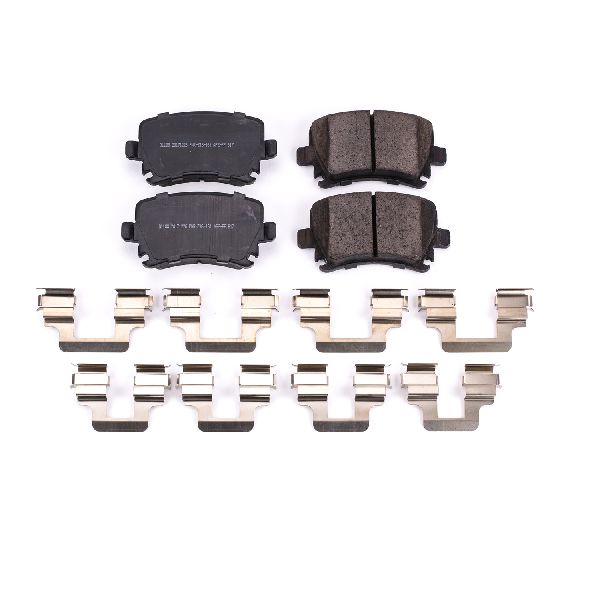
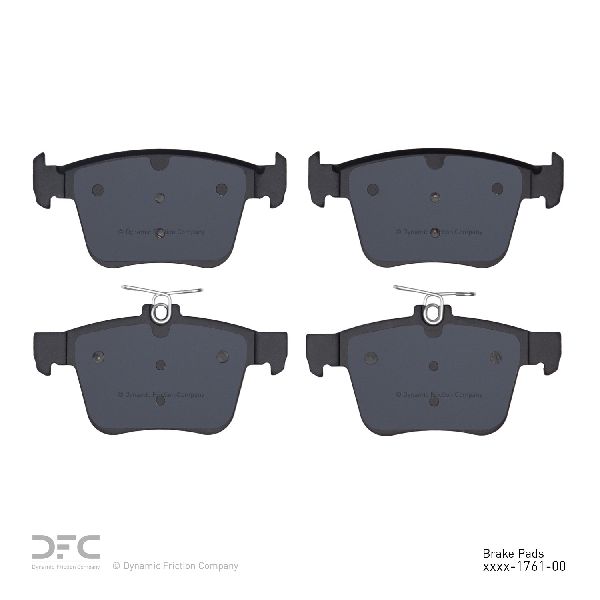
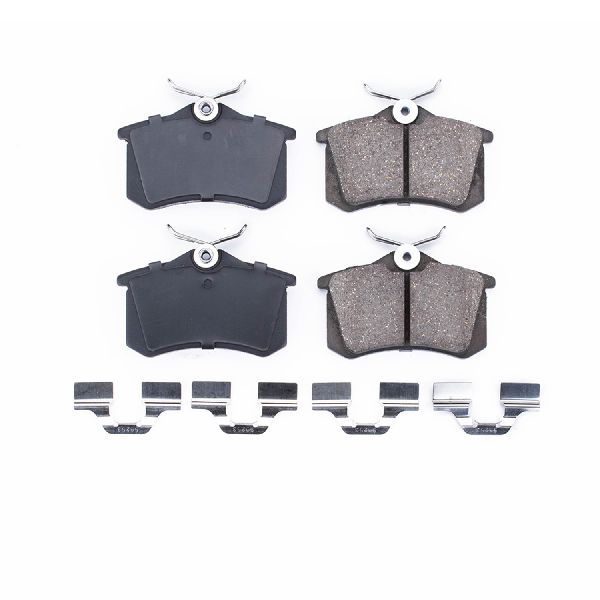
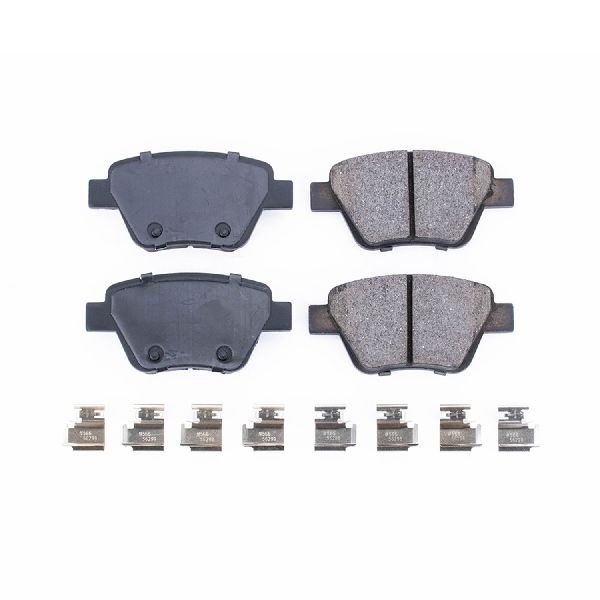
- Economy Options: Brands like Dynamic Friction and Powerstop offer budget-friendly kits that are popular for their value. They are suitable for normal daily driving but may not provide the longevity or refined performance of premium brands.
Known Issues, Recalls, and TSBs
While there are no recalls specifically for the brake pads on the 2006-2014 Audi A3, there was a recall for some 2009-2010 models related to the ABS control module. A faulty module could disable the ABS and Electronic Stability Control (ESC) systems, increasing risk. The fix involved a software update or module replacement performed by a dealer. Additionally, Audi has issued general Technical Service Bulletins (TSBs) regarding brake noise, which can be caused by anything from pad material and wear to debris between the pad and rotor.
| Part Type | Price Range |
|---|---|
| New Aftermarket Brake Pad Set | $26.18 - $213.29 |
| New OEM Brake Pad Set | $75 - $160 |
| Shop Labor for Installation | $150 - $250 |
Frequently Asked Questions

Should I replace my rotors at the same time as my pads?
It is highly recommended. Installing new pads on old, worn rotors can lead to noise, vibration, and reduced brake performance. For best results, replace pads and rotors together.
🎬 Watch: Step-by-step guide to replacing front pads and rotors.What is a brake pad wear sensor?
The A3 uses a small electronic sensor attached to the inner front brake pad. When the pad wears down to a certain thickness, the sensor makes contact with the rotor, completing a circuit and triggering a warning light on your dashboard. 🎬 Watch this walkthrough for replacing worn front brake pads. It is a single-use item and must be replaced with the pads.
Why are my new brakes squeaking?
New brakes can sometimes squeak during the first few hundred miles, which is called the "bed-in" period. It can also be caused by brake dust or if the pads and rotors weren't cleaned properly during installation. Applying a thin layer of ceramic brake grease to the back of the pads during installation helps prevent squeaking.
Do I need special tools to change my A3's brake pads?
Yes. For the rear brakes, you will need a caliper piston rewind tool to simultaneously spin and compress the piston. The front caliper piston can be compressed with a simpler C-clamp or piston compressor tool. You will also need a 7mm hex/Allen socket for the caliper guide pins.
Helpful Videos
Technical Specifications
OEM Part Numbers: 1K0698451H 5K0698451D
Brake system varies by model year and trim. Common front rotor sizes are 288mm and 312mm. A single brake pad wear sensor is used on the front driver's side. The rear calipers use a twist-in piston design.
We Have This Part in Stock

The information in this article is provided for general reference and educational purposes only. Vehicle specifications, procedures, and part compatibility can vary by production date, trim level, and region. Always consult your vehicle's factory service manual and verify part numbers before purchasing or performing repairs. Safety-critical components such as airbags, seat belts, and braking systems should be installed by a qualified professional.
- Audi A3: