

A Guide to the Mass Air Flow Sensor for the 2006-2014 Audi A3
If your Audi A3 feels sluggish or idles rough, the Mass Air Flow sensor could be the reason.
- A bad MAF sensor on an A3 causes sluggishness, rough idle, and poor MPG, often before a check engine light appears.
- For this part, stick with OEM-supplier brands like Bosch or Hitachi for reliable performance; cheap sensors often cause problems.
- Always check for vacuum leaks or a dirty air filter first, as these can mimic the symptoms of a bad MAF sensor.
- Replacing the MAF sensor is a simple, 30-minute DIY job that can save you significant labor costs.
Is Your Audi A3 Running Poorly?

A failing Mass Air Flow (MAF) sensor in the 2006-2014 Audi A3 (8P generation) often causes frustrating engine problems. You might notice the car just doesn't feel right, even before a Check Engine Light appears. Because the sensor provides bad information to the engine's computer, you can get a wide range of symptoms that make the car feel unreliable.
Common Symptoms of a Bad MAF Sensor

When a MAF sensor starts to fail, it might not break completely. Instead, it "drifts," meaning its readings become inaccurate. This can cause several noticeable issues:
- Sluggish Acceleration: The car feels weak or slow to respond, especially when you press the gas pedal lightly.
- Rough Idle: The engine may shake, hunt for a steady RPM, or feel unstable when stopped at a light.
- Hesitation or Stumbling: The engine may stumble or hesitate when you accelerate from a stop.
- Poor Fuel Economy: You may find yourself filling up the gas tank more often than usual.
- Check Engine Light: Eventually, the sensor's incorrect readings will trigger a Check Engine Light. Common codes include P0101, P0102, and P0103.
Other Problems Can Seem Like a Bad MAF
Before replacing your MAF sensor, it's important to know that other issues can cause similar symptoms. Air leaks in the intake system (vacuum leaks) after the MAF sensor are a common problem on these cars and can make the engine run poorly. A dirty air filter can also restrict airflow and cause issues. Always check for air leaks and inspect your air filter first.
Choosing the Right Aftermarket MAF Sensor

For German vehicles like your Audi A3, the brand of electronic sensors matters a great deal. While saving money is tempting, a cheap, low-quality MAF sensor can cause more problems than it solves, or fail very quickly.
Tier 1: OEM Supplier (Recommended)
- Bosch: Bosch is the original equipment manufacturer (OEM) for many Audi parts, including the MAF sensor. Choosing a Bosch aftermarket sensor is the safest bet. It is often the exact same part that came in the car from the factory, just in a different box.
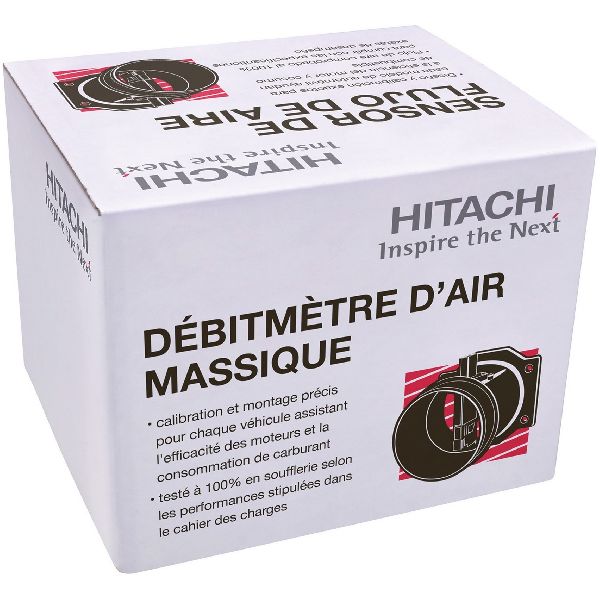
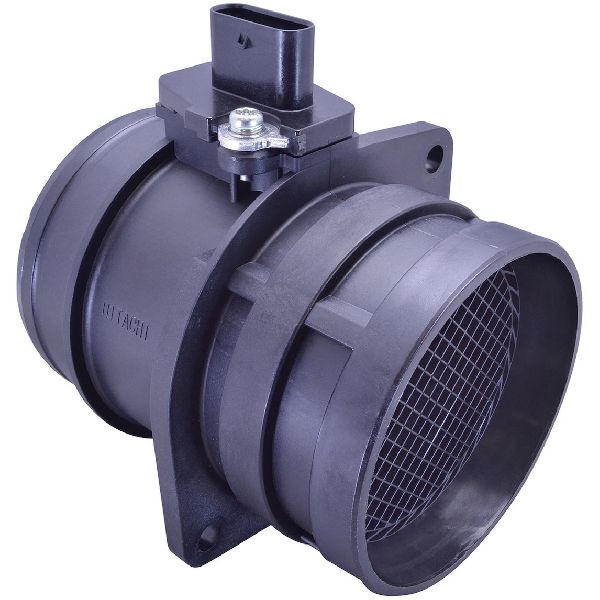
- Hitachi: Hitachi is another well-regarded brand that supplies OEM parts for many vehicles and is known for making reliable sensors. If a Bosch part is not available, Hitachi is a strong second choice.
Tier 2: Reputable Aftermarket Brands
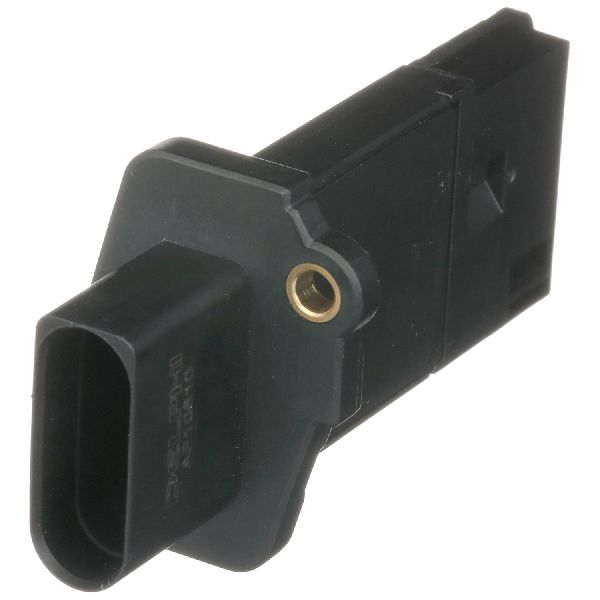
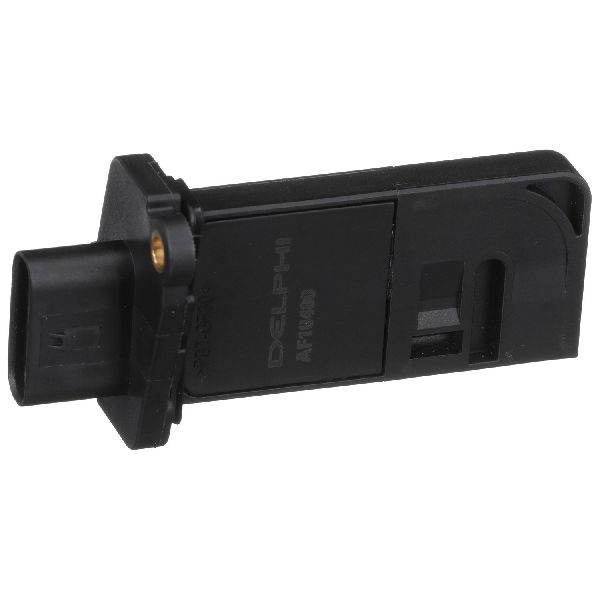
- Delphi, Hella, NGK, Vemo: These are established brands that produce quality parts. While not necessarily the OEM for this specific sensor, they generally have good quality control and are a better choice than unknown, no-name brands.
Tier 3: Low-Cost Brands
- Brands on the lower end of the price spectrum can be a gamble. They may not be calibrated correctly for the sensitive Audi engine management system, leading to continued performance issues or a short lifespan. It is generally recommended to avoid these for critical engine sensors on an A3.
Check Your Engine Type
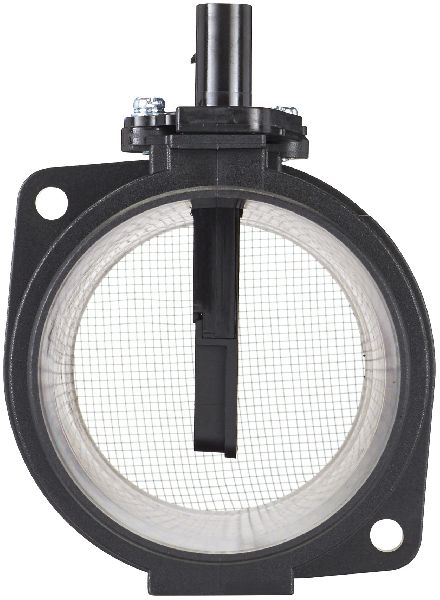
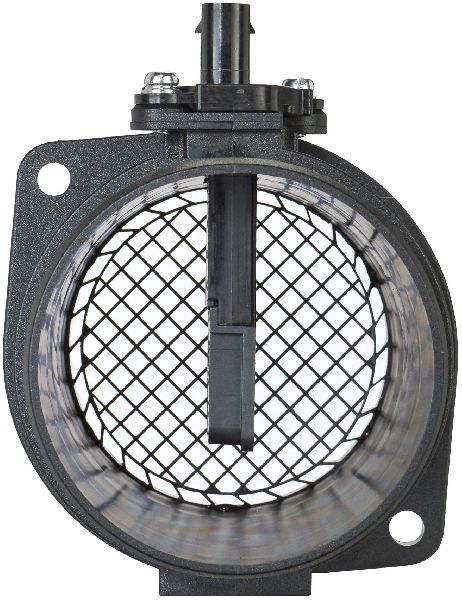
Some early 2.0 FSI engines in the 2006-2008 range did not use a MAF sensor and used a Manifold Absolute Pressure (MAP) sensor instead. Before ordering, visually confirm that your car has a sensor in the intake tube right after the air filter box. It will have an electrical connector attached to it.
Cost of Replacing the Audi A3 MAF Sensor
| Item | Estimated Cost |
|---|---|
| New OEM (from a dealer) | $250 - $400 |
| New Aftermarket (OEM Quality - Bosch, Hitachi) | $150 - $250 |
| New Aftermarket (Other Brands) | $67 - $150 |
| Shop Labor | $50 - $150 |
Frequently Asked Questions

Can I just clean my MAF sensor?
Cleaning the MAF sensor with a dedicated MAF sensor cleaner spray can sometimes work as a temporary fix if the sensor is just dirty. However, many failures are due to the electronics inside drifting from their original calibration, which cleaning cannot fix. Never touch the delicate sensing wire inside the MAF. If cleaning doesn't solve the problem, replacement is necessary.
Is this a difficult repair to do myself?
No, this is a very beginner-friendly repair. It typically takes less than 30 minutes and requires only basic hand tools like a screwdriver (often a Torx bit) and pliers. The sensor is easy to access on top of the engine. There are many video tutorials available online that show the process step-by-step.
Does the new sensor need to be programmed?
No, a new MAF sensor does not require special programming. However, some mechanics recommend disconnecting the battery for about 15 minutes during the installation. This can help reset the ECU's learned fuel adjustments, allowing it to adapt to the new, accurate sensor more quickly.
What is the difference between the sensor only and the full housing?
Some parts are sold as just the small sensor element, while others are sold complete with the plastic tube housing it sits in. For the 2006-2014 A3, the sensor is typically a small, self-contained unit that bolts into the intake pipe. You usually only need to replace this sensor, not the entire pipe section.
Helpful Videos
Technical Specifications
OEM Part Numbers: 06F906461A 06D906461
The MAF sensor for the 2.0T engine is typically a small, bolt-in unit with a 5-pin electrical connector. It is located on the air intake tube directly after the air filter housing.
We Have This Part in Stock

The information in this article is provided for general reference and educational purposes only. Vehicle specifications, procedures, and part compatibility can vary by production date, trim level, and region. Always consult your vehicle's factory service manual and verify part numbers before purchasing or performing repairs. Safety-critical components such as airbags, seat belts, and braking systems should be installed by a qualified professional.
- Audi A3: