

A Guide to Replacing the Oxygen Sensor on Your 2006-2014 Audi A3
Fix that check engine light and restore your A3's fuel economy by choosing the right oxygen sensor.
- Bosch is the original equipment manufacturer (OEM) for the Audi A3; choosing Bosch, Denso, or NGK ensures reliability.
- You must identify if the failed sensor is upstream (before cat) or downstream (after cat) using a diagnostic code reader.
- Always buy a 'direct-fit' sensor with the correct plug to avoid cutting and splicing wires.
- Check for open recalls or warranty extensions, especially for 2010-2013 TDI models and the rear sensor on some vehicles.
Is Your Audi A3 Oxygen Sensor Failing?

A bad oxygen sensor is a common issue that will almost always trigger your check engine light. Ignoring it can lead to poor engine performance, higher fuel consumption, and potential damage to your expensive catalytic converter over time. Watch for these clear signs of a failing sensor.
- Check Engine Light: This is the most common symptom. Codes like P0130, P0135, P0171, or P0172 often point to a faulty oxygen sensor.
- Poor Fuel Economy: A bad sensor can cause the engine to run rich, using more fuel than necessary.
- Rough Idle and Hesitation: You might notice your engine idles unevenly or hesitates during acceleration.
- Failed Emissions Test: An O2 sensor is essential for controlling emissions, and a bad one will likely cause you to fail an emissions test.
- Rotten Egg Smell: In some cases, a rich-running condition caused by a bad sensor can lead to a sulfur or rotten egg smell from the exhaust.
Known Issues for 2006-2014 Audi A3

Emissions Recall for 2.0L TDI Models
Audi issued emissions recall 23W1 for certain 2010-2013 Audi A3 2.0L TDI models. This service included an inspection of the oxygen sensor and, if it met certain degradation criteria, a free replacement. If you own a TDI model from these years, it is worth checking with an Audi dealer to see if this recall was performed.
TSB for 2014 Models with Lean Codes
Technical Service Bulletin (TSB) 2046611/5 addresses issues on some 2014 models where the check engine light is on with lean codes (P209600 or P209800). The bulletin states the cause is often a contaminated rear (downstream) oxygen sensor and advises replacing only that specific sensor.
Choosing the Right Aftermarket Oxygen Sensor

When shopping for a replacement, you'll find a wide range of brands. For a sensitive system like your Audi's, brand quality matters. Sticking to proven manufacturers can save you the headache of a premature failure or incorrect readings.
Brand Quality Tiers
Tier 1: OEM & OE-Equivalent Brands
These brands are either the original equipment manufacturer or have a reputation for matching OEM quality. They are the most reliable choice for a direct, trouble-free replacement.
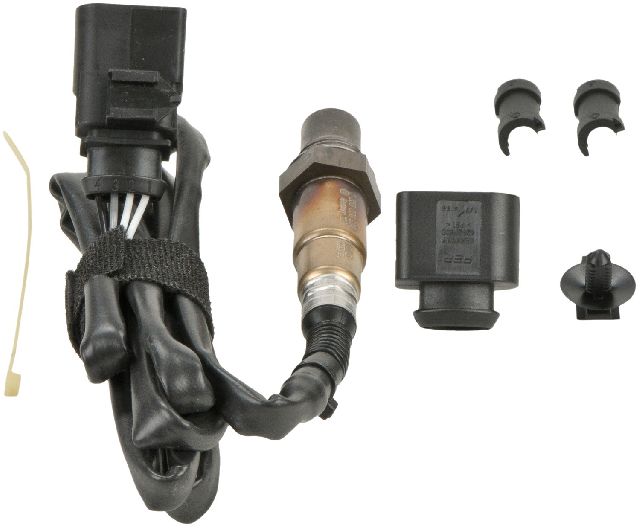
- Bosch: Widely confirmed by owners as the Original Equipment Manufacturer (OEM) for Audi. Choosing Bosch is the safest bet for a part that performs exactly like the original.
- Denso & NGK (NTK): Both are world-renowned Japanese brands that supply parts to many automakers. They are considered excellent, high-quality alternatives to Bosch and are trusted by many mechanics.
Tier 2: Reputable Aftermarket Brands
These brands offer a good balance of quality and value. They are a solid choice if you're looking for a reliable part without the premium price of an OEM-branded box.
- Delphi: A major parts supplier with a strong reputation.
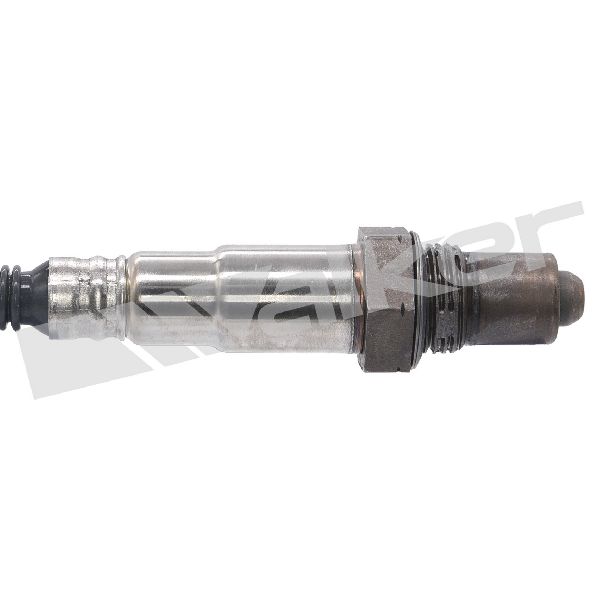
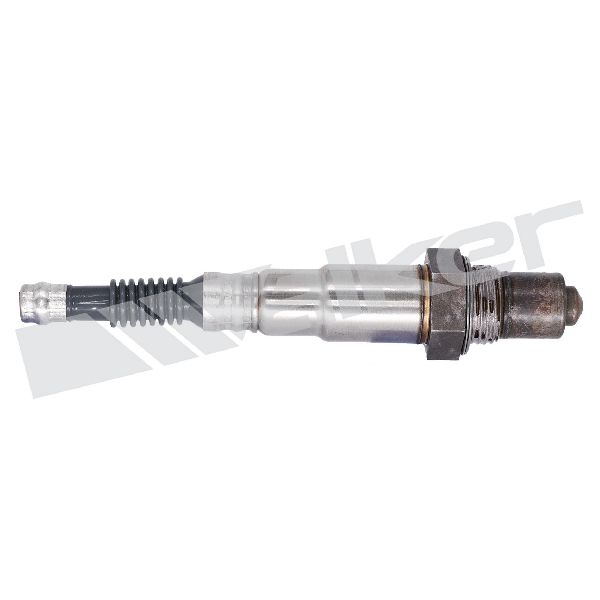
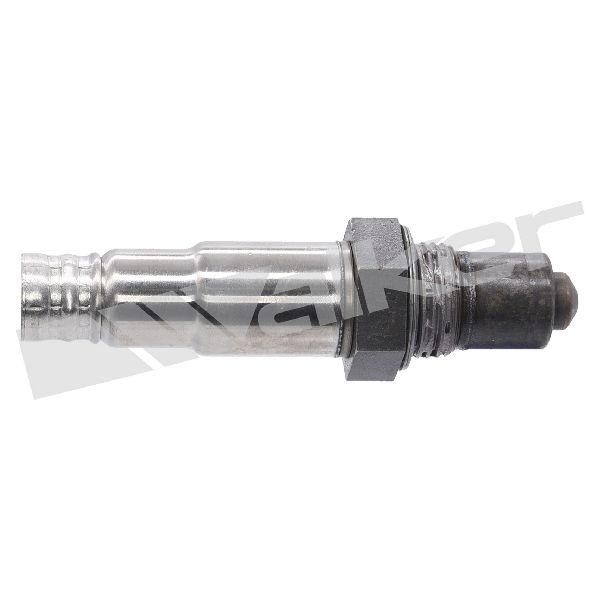
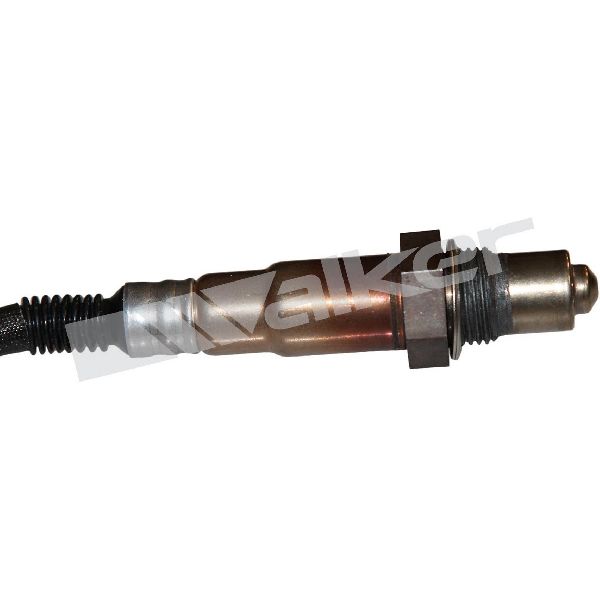
- Walker Products: A well-known aftermarket exhaust and emissions parts company. Reviews can be mixed, but they are generally considered a decent mid-tier option.
- Spectra: Offers a range of emissions and engine management components.
Tier 3: Budget-Friendly Brands
These brands provide a low-cost alternative, which can be useful for older vehicles or if you're on a tight budget. However, be aware that their lifespan and performance may not match the higher-tier brands.
- DriveWire
- Facet
Always Choose a "Direct-Fit" Sensor
Make sure the sensor you buy is a "direct-fit" model with the correct electrical connector for your A3. Avoid "universal" sensors, which require you to cut and splice wires. An improper connection can cause faulty readings and more check engine light problems.
Cost of Replacing an Audi A3 Oxygen Sensor
| Part/Service | Estimated Cost |
|---|---|
| New Aftermarket Oxygen Sensor | $31 - $212 |
| New OEM Oxygen Sensor | $140 - $250+ |
| Shop Labor | $100 - $180 |
| Total Estimated Cost (Aftermarket Part + Labor) | $131 - $392 |
Frequently Asked Questions

Which sensor do I need? Upstream or Downstream?
Your Audi A3 has at least two oxygen sensors. The "upstream" sensor (also called Bank 1, Sensor 1) is located before the catalytic converter, often on the exhaust manifold or turbocharger outlet pipe. The "downstream" sensor (Bank 1, Sensor 2) is located after the catalytic converter. A diagnostic scan tool is needed to read the specific trouble code, which will tell you which sensor has failed.
Can I replace an A3 oxygen sensor myself?
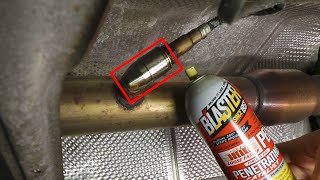
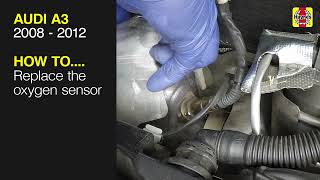
Yes, this is a DIY-feasible job for someone with moderate mechanical skill. The upstream sensor can be tight to access, while the downstream sensor requires safely lifting the car. The biggest challenge is often the old sensor being seized in the exhaust pipe. Using penetrating oil beforehand is highly recommended.
What tools are required for the job?
You will need a special tool called a 22mm oxygen sensor socket, which has a slot cut out for the wire. You'll also need a ratchet with an extension, and potentially a torque wrench to tighten the new sensor to the correct specification (around 37 Nm).
Does my A3 have a warranty on the oxygen sensor?
Possibly. Audi has issued a limited warranty extension for the rear oxygen sensor on some vehicles, extending coverage to 10 years or 120,000 miles. You can check with an Audi dealer with your VIN to see if your specific vehicle is covered.
Helpful Videos
Technical Specifications
OEM Part Numbers: 03L906262B
Your A3 uses heated, 4-wire oxygen sensors. There are two primary positions: Upstream (Bank 1, Sensor 1) and Downstream (Bank 1, Sensor 2). Part numbers are different for each position. A special 22mm slotted socket is needed for removal and installation.
We Have This Part in Stock


The information in this article is provided for general reference and educational purposes only. Vehicle specifications, procedures, and part compatibility can vary by production date, trim level, and region. Always consult your vehicle's factory service manual and verify part numbers before purchasing or performing repairs. Safety-critical components such as airbags, seat belts, and braking systems should be installed by a qualified professional.
- Audi A3:
- 🎬 Helpful Videos
- 🛍️ Shop This Part
- Is Your Audi A3 Oxygen Sensor Failing?
- Known Issues for 2006-2014 Audi A3
- Emissions Recall for 2.0L TDI Models
- TSB for 2014 Models with Lean Codes
- Choosing the Right Aftermarket Oxygen Sensor
- Brand Quality Tiers
- Always Choose a "Direct-Fit" Sensor
- Cost of Replacing an Audi A3 Oxygen Sensor
- Frequently Asked Questions
- 🎟️ Get 5% Off