

Chevrolet Silverado 1500 (2006-2014) Ignition Knock Sensor Replacement Facts
Understanding the common failure points and choosing the right replacement knock sensor for your Silverado is critical for engine health.
- The primary cause of failure is corrosion due to the sensors' location under the intake manifold.
- Always replace both knock sensors and the wiring harness at the same time to avoid repeat repairs.
- Using top-tier brands like ACDelco or Delphi is strongly recommended due to the high labor involved in the replacement.
- Applying an RTV silicone dam around the sensor ports can help prevent future water intrusion and corrosion.
Is Your Silverado Knock Sensor Failing?
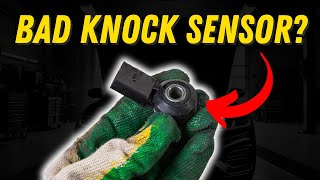
A failing knock sensor on a 2006-2014 Silverado will almost always trigger the Check Engine Light. You may also notice a significant drop in engine power, poor acceleration, and worse fuel economy. This happens because when the ECM doesn't receive a reliable signal from the sensor, it defaults to a "safe mode" with retarded ignition timing to prevent any possibility of engine-damaging knock. In some cases, you might hear a metallic pinging or knocking sound from the engine, especially when it's under load, like when towing or accelerating uphill.
🎬 Watch: 5 symptoms of a bad knock sensor and replacement costsThe Real Problem: Location and Corrosion
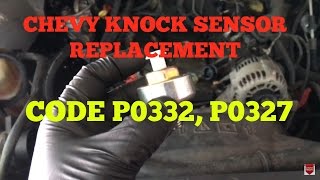
On the 4.8L, 5.3L, and 6.0L V8 engines in this generation of Silverado, the two knock sensors are located under the intake manifold, in the engine's valley. This location makes them highly susceptible to damage from moisture and debris that collects in the valley. Over time, water intrusion causes the sensors and, just as importantly, the wiring harness connectors to rust and corrode. This corrosion is the number one cause of failure, leading to poor electrical connections and fault codes like P0327 and P0332.
🎬 Learn how to fix P0332 or P0327 knock sensor codesChoosing an Aftermarket Knock Sensor: Brand Tiers
Because replacing the knock sensors is a labor-intensive job that requires removing the intake manifold, choosing a quality part to avoid doing the job twice is crucial. Owner and technician experiences strongly recommend using either OEM parts or top-tier aftermarket brands known for supplying original equipment.
Tier 1: OEM & Premium Aftermarket (Recommended)
- ACDelco: As the genuine GM parts brand, this is the safest bet for guaranteed performance and fit. Many technicians will only use ACDelco for this specific job.
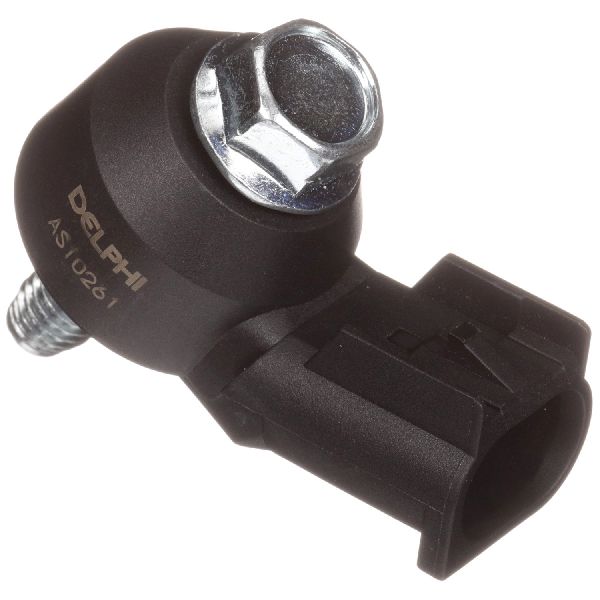
- Delphi: Delphi was a long-time OEM supplier for GM and their sensors are widely considered to be of equivalent quality to ACDelco, sometimes even being the exact same part in a different box. They are a highly recommended alternative.
- NGK/NTK: NTK is a well-respected sensor manufacturer and a solid choice for a reliable aftermarket part.
Tier 2: Reputable Aftermarket
- Standard Ignition (SMP): A long-standing aftermarket brand with generally decent quality, though some users have mixed experiences specifically with their knock sensors for this application.
- Beck Arnley / Walker Products: These brands often source parts from various manufacturers, including OEM suppliers. Quality can be good, but may be less consistent than Tier 1 brands.
Tier 3: Value Brands
- Brands like Global Parts, True Tech, and Motorad fall into the budget category. While tempting due to their low price, they carry a higher risk of premature failure. Given the high labor cost to access the sensors, using a budget part is generally not recommended for this specific repair.
Pro Tip: Always Replace the Harness
The wiring harness that connects the two knock sensors is just as prone to corrosion and failure as the sensors themselves. It is universally recommended to replace the harness whenever you replace the sensors. Failing to do so is a common reason for the check engine light to return even after installing new sensors.
Cost to Replace Silverado Knock Sensors
| Part | Estimated Cost |
|---|---|
| New OEM (ACDelco) | $60 - $110 per sensor |
| New Aftermarket | $14.75 - $84.94 per sensor |
| Wiring Harness | $25 - $50 |
| Shop Labor | $300 - $600 |
Frequently Asked Questions
Where are the knock sensors on a 2006-2014 Silverado?
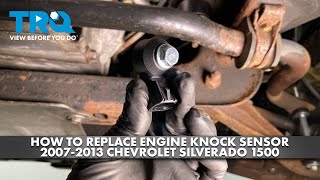
For V8 models (4.8L, 5.3L, 6.0L, 6.2L), there are two knock sensors located underneath the intake manifold in the valley of the engine block. You must remove the entire intake manifold assembly to access them.
🎬 See this step-by-step guide to replacing Silverado knock sensorsDo I have to replace both knock sensors at the same time?
Yes. Because of the difficult location and high labor cost, it is highly recommended to replace both sensors and the wiring harness at the same time, even if only one is showing a fault code. This prevents you from having to do the entire job again if the second original sensor fails soon after.
Is there a TSB or recall for this issue?
While there are no widespread safety recalls for this specific knock sensor failure on the 2006-2014 Silverado, GM has issued Technical Service Bulletins (TSBs) for earlier and later models regarding this problem. TSB #02-06-04-023A for earlier models recommends applying a bead of RTV silicone to form a dam around the sensor holes to prevent future water intrusion, a practice many mechanics apply to the 2006-2014 models as well.
What tools are needed for the replacement?
This is an advanced DIY job. You will need a complete socket set, torque wrench, extensions, fuel line disconnect tool, gaskets for the intake manifold, and RTV silicone sealant. It is critical to torque the new knock sensors to the correct specification (typically 15 ft-lbs) as over or under-tightening can cause them to malfunction.
Helpful Videos


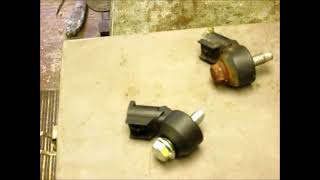
Technical Specifications
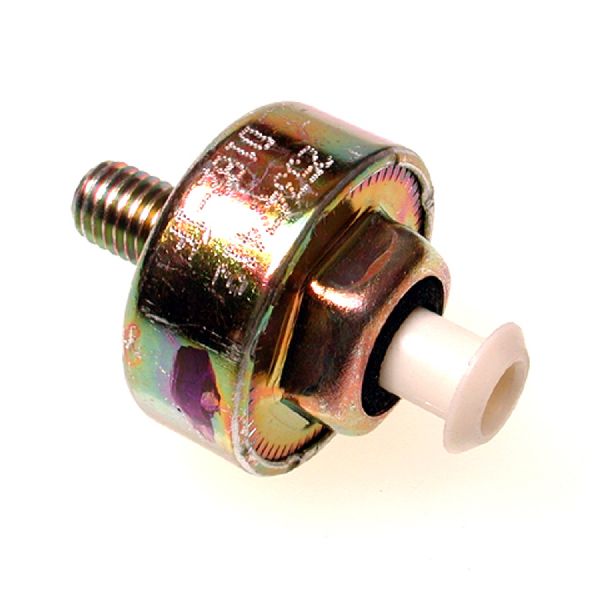
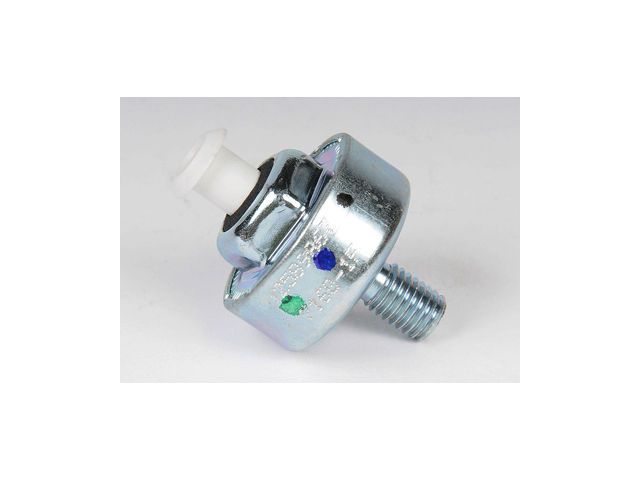
OEM Part Numbers: 12589867 12623493
Location: Under intake manifold. Quantity: 2. Recommended Torque: 15 ft-lbs.
We Have This Part in Stock


The information in this article is provided for general reference and educational purposes only. Vehicle specifications, procedures, and part compatibility can vary by production date, trim level, and region. Always consult your vehicle's factory service manual and verify part numbers before purchasing or performing repairs. Safety-critical components such as airbags, seat belts, and braking systems should be installed by a qualified professional.
- Chevrolet Silverado 1500: