

Chevrolet Suburban 1500 Oxygen Sensor Guide (2006-2014)
Keep your Suburban's engine running efficiently by understanding and replacing its oxygen sensors.
- Your 2006-2014 Suburban has four O2 sensors; identify whether you need an upstream or downstream sensor before ordering.
- For best results and longevity, choose OEM-grade brands like ACDelco, Denso, or NGK/NTK.
- A bad O2 sensor will decrease fuel economy and can cause long-term damage to your catalytic converters.
- Replacing O2 sensors is a feasible DIY job with the right tool (an O2 sensor socket), but they can be difficult to remove if rusted.
Is Your Suburban's Oxygen Sensor Failing?

A bad oxygen (O2) sensor can cause several noticeable problems. The most common sign is the check engine light turning on. You might also notice your gas mileage getting worse, the engine idling roughly, or even a rotten egg smell from the exhaust. Ignoring a failing sensor can eventually damage your expensive catalytic converters.
Don't Ignore the Check Engine Light
While you can drive with a bad O2 sensor, it's not recommended for long. The engine's computer can't properly adjust the fuel mixture, leading to poor performance, high fuel consumption, and potential long-term damage to other exhaust components.
Upstream vs. Downstream Sensors

Your Suburban has four O2 sensors, and they are not all the same. It's crucial to order the correct one for the position you are replacing.
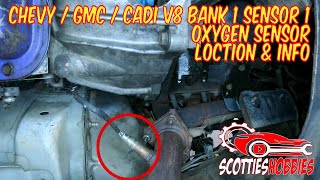
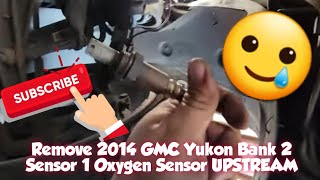
- Upstream Sensors (Bank 1 Sensor 1, Bank 2 Sensor 1): These are located before the catalytic converters, closer to the engine. They are critical for managing the air-fuel mixture. 🎬 See how to remove the Bank 2 upstream sensor on your SUV. Bank 1 is on the driver's side of the engine. 🎬 Watch this guide to locate Bank 1 Sensor 1 and identify codes.
- Downstream Sensors (Bank 1 Sensor 2, Bank 2 Sensor 2): These are located after the catalytic converters. Their main job is to check if the converters are cleaning the exhaust properly.
Choosing the Right Aftermarket Oxygen Sensor

When it comes to electronic parts like O2 sensors, quality matters. While many brands are available, some have a better reputation for reliability in GM trucks.
Tier 1: OEM-Quality Brands
- ACDelco: This is GM's official parts brand. While some ACDelco sensors are made by other companies like Denso or Bosch, they are built to GM's exact specifications. For guaranteed compatibility, ACDelco is a safe choice.
- Denso: Denso is a major original equipment (OE) supplier for many automakers, including GM. Many owners and mechanics report that Denso sensors are identical to the factory parts and offer excellent reliability and performance.
- NGK/NTK: Another top-tier OE supplier known for high-quality ignition and sensor components. NTK is the sensor division of NGK, and their parts are widely considered to be as good as factory originals.
Tier 2: Reputable Aftermarket Brands
- Bosch: Bosch is a huge name in auto parts and makes a massive number of O2 sensors. However, owner experiences can be mixed. Some have no issues, while others report early failures or compatibility problems in GM vehicles. They can be a good value, but may carry a slightly higher risk than an OE-supplier brand.
- Delphi: Formerly a part of GM, Delphi has a long history of making quality electronic components. They are generally a solid choice for replacement sensors.
Tier 3: Budget Brands
- DriveWire, Spectra, Walker Products: These brands offer a more budget-friendly option. While they can work, their lifespan and performance may not match the higher-tier brands. If you are on a tight budget, they can get your vehicle back on the road, but for long-term reliability, sticking with an OEM-grade brand is often recommended.
Pro Tip: Replace in Pairs
O2 sensors age over time. If one upstream sensor fails, the other is likely not far behind. For balanced engine performance, it's a good practice to replace upstream sensors in pairs (both Bank 1 and Bank 2).
Known Issues and Bulletins

No widespread recalls were found for oxygen sensors on the 2006-2014 Suburban 1500. However, General Motors has issued Technical Service Bulletins (TSBs) related to O2 sensor codes. For example, TSB 20-NA-065 discusses how intake or exhaust leaks can trigger false O2 sensor codes. Before replacing sensors, it's wise to check for exhaust leaks near the manifolds or sensor mounting points, as this can cause incorrect readings.
Frequently Asked Questions
How many oxygen sensors does my 2006-2014 Suburban 1500 have?
Your Suburban has four oxygen sensors: two upstream (before the catalytic converter) and two downstream (after the catalytic converter).
What tools do I need to replace an O2 sensor?
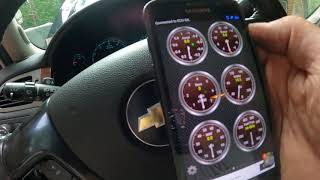
You will need a special oxygen sensor socket, which has a slit for the wire, and a ratchet. 🎬 Watch a walkthrough of the replacement process for common O2 sensor codes. A penetrating oil spray is also highly recommended to help loosen the old sensor, as they are often seized in the exhaust pipe.
Can I clean an O2 sensor?
While some people attempt to clean O2 sensors, it is not a reliable or recommended fix. Cleaning can damage the delicate sensing element, and the sensor will likely fail again soon. Replacement is the only proper solution.
What's the difference between Bank 1 and Bank 2?
Bank 1 is the side of the engine with cylinder #1, which is the driver's side on your Suburban's V8 engine. Bank 2 is the passenger's side.
Do new sensors come with anti-seize?
Most new, high-quality oxygen sensors come with anti-seize compound already applied to the threads. If not, be sure to apply a small amount of high-temperature anti-seize to the threads before installation, being careful not to get any on the sensor tip.
Helpful Videos
Technical Specifications
OEM Part Numbers: 12637297 12656071 12612571
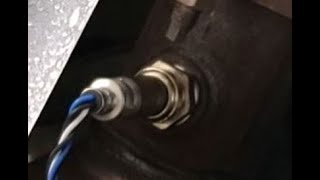
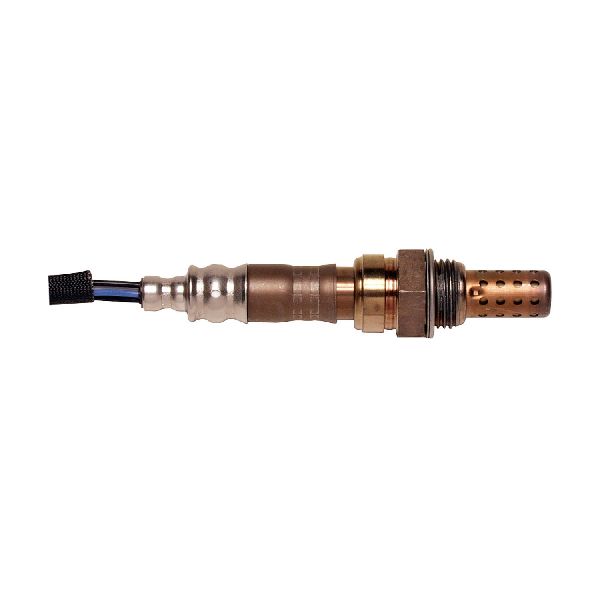
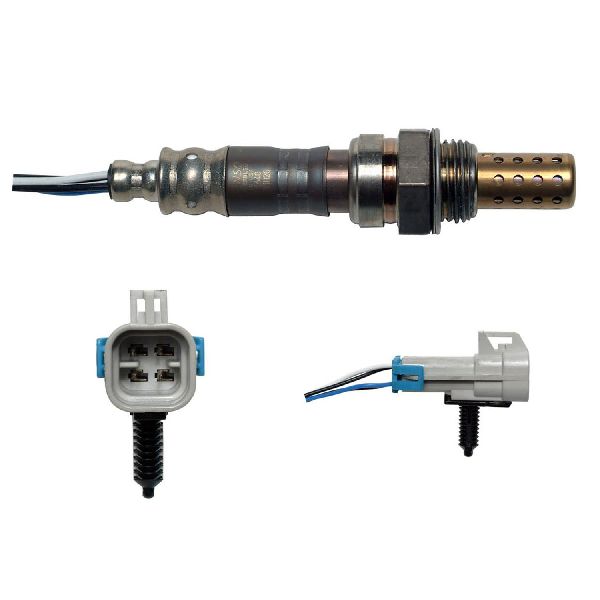
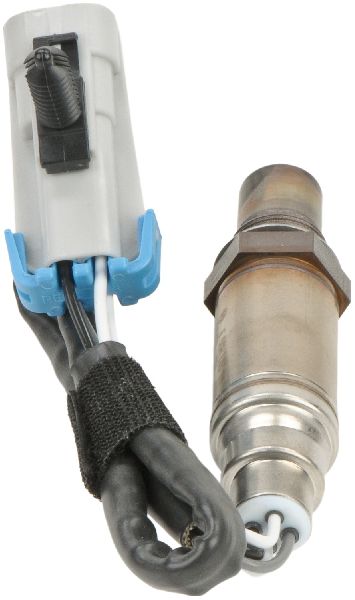
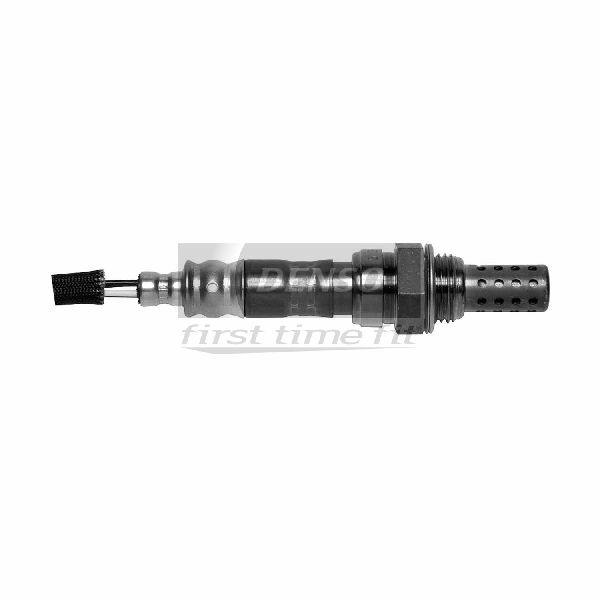
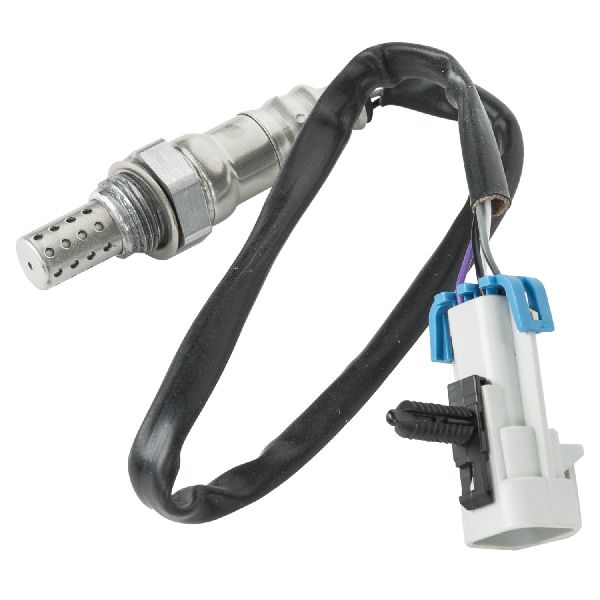
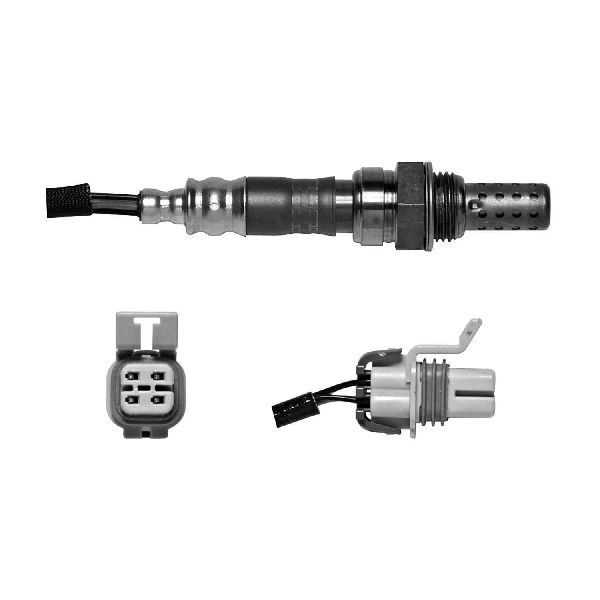
Your Suburban uses heated, 4-wire oxygen sensors. Upstream and downstream sensors have different connectors and are not interchangeable.
We Have This Part in Stock

The information in this article is provided for general reference and educational purposes only. Vehicle specifications, procedures, and part compatibility can vary by production date, trim level, and region. Always consult your vehicle's factory service manual and verify part numbers before purchasing or performing repairs. Safety-critical components such as airbags, seat belts, and braking systems should be installed by a qualified professional.
- Chevrolet Suburban 1500: