

Dodge Avenger Engine Camshaft Position Sensor: A Complete Guide (2006-2014)
If your Dodge Avenger is stalling, running rough, or won't start, a bad camshaft position sensor could be the culprit.
- A failing camshaft sensor in a Dodge Avenger can cause stalling, hard starts, and a rough idle.
- Dodge vehicles are sensitive to sensor quality; using OEM (Mopar) or premium aftermarket brands like NGK or Delphi is strongly advised.
- The location varies by engine (2.4L, 3.5L, or 3.6L), but replacement is a simple DIY job for most owners.
- Always inspect the wiring connector for damage before assuming the sensor itself is the only problem.
Is Your Avenger's Camshaft Position Sensor Failing?
A bad camshaft position sensor doesn't usually fail suddenly. It often gives warning signs that get worse over time. Because this sensor is vital for engine timing, ignoring the symptoms can lead to your car stalling in traffic or not starting at all.
Key Failure Symptoms:
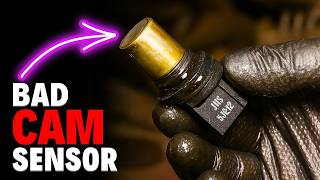
🎬 Watch: A visual guide to common camshaft sensor failure symptoms.- Check Engine Light: This is the most common sign. The computer will store trouble codes like P0340, P0344, or P0016.
- Engine Stalls or Shuts Off: The engine may stall unexpectedly while idling at a stoplight or even while driving.
- Difficulty Starting: Your Avenger may crank for a long time before it starts, or it may not start at all.
- Rough Idle and Misfires: The engine may shake or vibrate at idle because the timing is off, causing cylinders to misfire.
- Poor Acceleration: You might notice the car feels sluggish or hesitant when you press the gas pedal.
- Reduced Fuel Economy: When engine timing is wrong, the engine burns more fuel than necessary.
A Note on Chrysler Electronics
Dodge, Chrysler, and Jeep vehicles are known for being very sensitive to the quality of electronic sensors. Many owners and mechanics report that using cheap, low-quality aftermarket camshaft sensors can cause the original problem to return quickly or create new issues. For this specific part, investing in a quality brand is highly recommended to avoid doing the job twice.
Choosing the Right Aftermarket Sensor
Not all aftermarket parts are created equal. For a critical sensor like this on your Avenger, it's best to choose a brand with a reputation for quality. They can be grouped into tiers:
Tier 1: OEM and Premium OEM Suppliers
These are the most reliable choices. They are either the original part manufacturer or brands known for meeting or exceeding OEM specifications.
- Mopar: This is the official OEM parts brand for Dodge. It's the safest bet for guaranteed compatibility and longevity.
- NGK / NTK: A highly respected brand, often an OEM supplier for many automakers. They are known for quality electronics.
- Delphi: Another top-tier brand with a strong reputation as an OEM supplier.
- Hitachi: A well-known manufacturer of high-quality electronic components for vehicles.
Tier 2: Reputable Aftermarket Brands
These brands are well-established and offer a good balance of price and quality. They are a solid choice if a premium brand isn't in the budget.
- Standard Ignition (SMP): A long-time player in the aftermarket with a reputation for producing reliable parts.
- Crown Automotive: Specializes in parts for Chrysler-family vehicles and is generally considered a decent quality replacement.
Tier 3: Economy Brands
This category includes brands like Dorman, Walker, and various other lower-cost options. While some Dorman parts are well-regarded, their sensors can have mixed reviews. These brands can be a budget-friendly solution, but there is a higher risk of premature failure or out-of-the-box issues compared to premium brands, especially on a sensitive Dodge electrical system.
Pro Tip: Check Your Connectors
Sometimes, the sensor itself is fine, but the electrical connector or wiring is damaged, loose, or corroded. A recall on similar vehicles pointed to faulty sensor connectors causing stalling. Before replacing the sensor, inspect the wiring and connector for any visible damage. Make sure it clicks securely into place on the new sensor.
Cost of Replacing the Camshaft Position Sensor
This is a relatively inexpensive repair, especially if you do it yourself. The part itself is affordable, and the labor is minimal.
| Item | Estimated Cost |
|---|---|
| New Aftermarket Sensor | $16 - $131 |
| New OEM (Mopar) Sensor | $85 - $150 |
| Shop Labor | $50 - $75 |
| Total (DIY) | $16 - $131 |
| Total (Installed at Shop) | $118 - $222 |
Frequently Asked Questions
Is replacing the camshaft sensor a DIY job?
Yes, for most people with basic tools, this is a straightforward DIY repair. The sensor is usually held by a single 10mm bolt and is located in an accessible, though sometimes tight, spot on the engine. The job typically takes less than an hour.
Where is the camshaft position sensor on my Avenger?
The location depends on your engine.
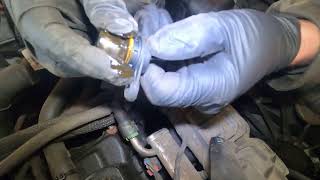
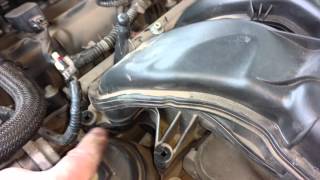
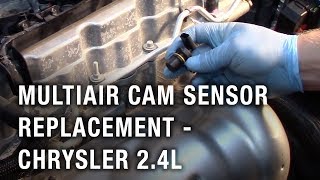
• 2.4L 4-Cylinder: There are two sensors (intake and exhaust) located on the back of the cylinder head, near the firewall. 🎬 See this step-by-step replacement walkthrough for the 2.4L engine. You may need to remove some of the air intake duct to get to them.
• 3.5L V6 (2008-2010): The sensor is on the left side of the engine, behind the alternator.
• 3.6L V6 (2011-2014): There are two sensors. Bank 1 is on the rear cylinder head (firewall side), and Bank 2 is on the front cylinder head.
Should I replace both sensors if my engine has two?
It's a good practice. Both sensors have been operating under the same conditions for the same amount of time. If one has failed, the other may not be far behind. Replacing them in pairs can save you from having to do the job again in the near future.
Do I really need an OEM Mopar sensor?
While not strictly necessary, using an OEM Mopar or a premium OEM supplier brand like NGK/NTK or Delphi is highly recommended for Dodge vehicles. They have a much lower failure rate and are less likely to cause persistent Check Engine Light issues compared to budget-friendly options.
Helpful Videos
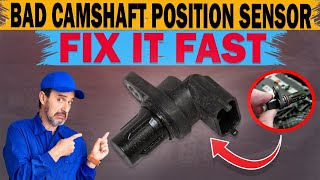
Technical Specifications
OEM Part Numbers: 5149141AF 5033308AB 68080819AB 4609089AH 05029811AD
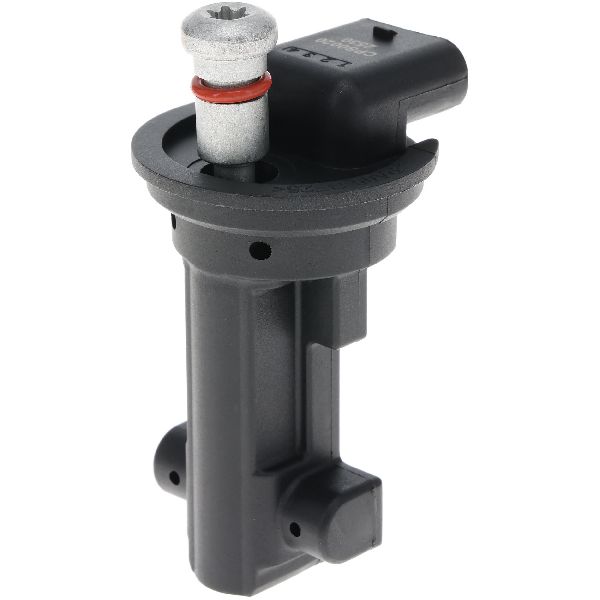
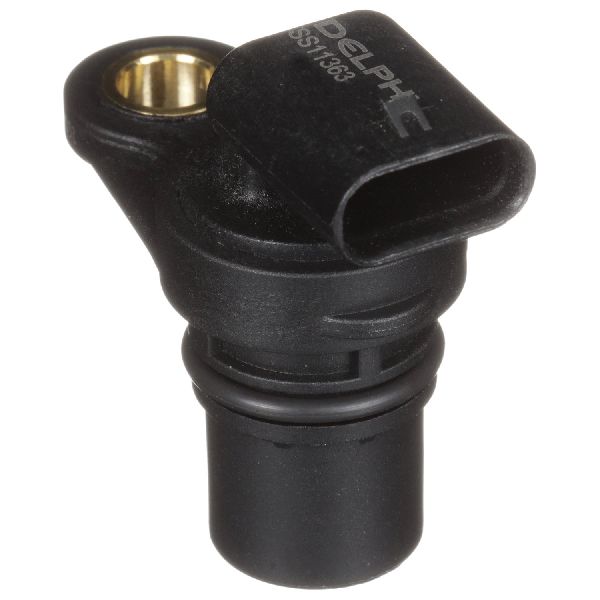
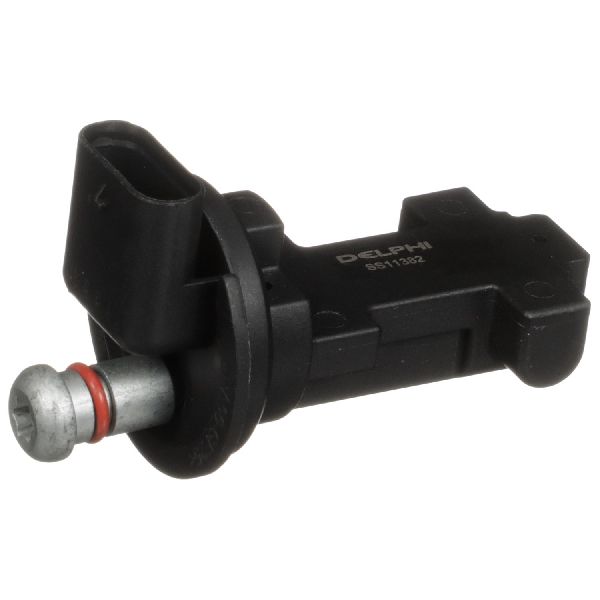
This is a 3-pin Hall effect sensor that reads the position of the camshaft. The number of sensors required (one or two) and their specific location depends on the engine installed in the vehicle (2.4L I4, 3.5L V6, or 3.6L V6).
We Have This Part in Stock


The information in this article is provided for general reference and educational purposes only. Vehicle specifications, procedures, and part compatibility can vary by production date, trim level, and region. Always consult your vehicle's factory service manual and verify part numbers before purchasing or performing repairs. Safety-critical components such as airbags, seat belts, and braking systems should be installed by a qualified professional.
- Dodge Avenger:
- 🎬 Helpful Videos
- 🛍️ Shop This Part
- Is Your Avenger's Camshaft Position Sensor Failing?
- Key Failure Symptoms:
- A Note on Chrysler Electronics
- Choosing the Right Aftermarket Sensor
- Tier 1: OEM and Premium OEM Suppliers
- Tier 2: Reputable Aftermarket Brands
- Tier 3: Economy Brands
- Pro Tip: Check Your Connectors
- Cost of Replacing the Camshaft Position Sensor
- Frequently Asked Questions
- 🎟️ Get 5% Off