

Dodge Avenger Radiator Replacement & Issues Guide (2006-2014)
Learn to spot the signs of a failing radiator in your Dodge Avenger and choose the right replacement part to prevent overheating.
- Check for cracks in the plastic side tanks, the most common failure point on these radiators.
- If you have a 2007-2008 2.4L model, verify if the radiator fan connector recall (NHTSA G39) has been performed.
- Always replace the radiator cap and thermostat when installing a new radiator for system reliability.
- Confirm whether you need a radiator with or without an integrated transmission oil cooler before ordering.
Is Your Dodge Avenger Radiator Failing?


A failing radiator can lead to serious engine damage if ignored. The most common failure points on the 2006-2014 Dodge Avenger radiator are cracks in the plastic side tanks and leaks from the seams where the plastic tanks connect to the aluminum core. Over time, the plastic becomes brittle from constant temperature changes and can't hold pressure.
Symptoms of a Bad Radiator:
- Engine Overheating: The temperature gauge on your dash climbs into the red zone, especially while idling or in stop-and-go traffic. 🎬 See how to diagnose common overheating issues on this model.
- Coolant Leaks: You may find puddles of green, orange, or pink fluid under the front of your car. Leaks often appear at the radiator itself, the thermostat housing, or connecting hoses.
- Bubbling in Coolant Reservoir: When the engine is hot, you might hear or see the coolant bubbling in the overflow tank. This can be a sign of a bad radiator cap failing to hold pressure, or it could indicate a more serious issue like a blown head gasket.
- Low Coolant Light: A constant need to top off your coolant is a sure sign of a leak somewhere in the system.
- Discolored or Sludgy Coolant: Coolant should be brightly colored. If it looks rusty or oily, it could mean there's internal corrosion or contamination, which can clog the radiator.
Known Issues: Radiator Fan Motor Recall (2007-2008 Models)
There is a significant safety recall for some 2007-2008 Dodge Avengers with the 2.4L engine (NHTSA Recall ID: G39). On these vehicles, engine coolant could be drawn into the radiator cooling fan motor's electrical connector. This can cause a short circuit, leading to the fan failing and, in some cases, an engine compartment fire. The fix involves installing a new wiring overlay harness. Check with a dealer to see if your vehicle is affected and if the recall work has been performed.
Choosing the Right Aftermarket Radiator

You don't need to buy an expensive OEM radiator from the dealer to get your Avenger back on the road. Quality aftermarket brands offer a great balance of performance and value. Aftermarket radiators are typically designed to be direct-fit replacements, matching the original equipment (OE) specifications for an easier installation.
Aftermarket Brand Tiers
- OEM-Quality Aftermarket (Best): Brands like Denso, CSF Radiator, and TYC are often original equipment suppliers to automakers. They are known for high-quality materials and construction that meets or exceeds factory standards. Denso, in particular, has a strong reputation for reliability.
- Quality Value (Better): Brands such as Spectra, ACDelco, and Koyorad provide reliable performance and good fitment at a more affordable price point. While some forum users have reported shorter lifespans with budget brands like Spectra, many others use them without problems.
- Economy (Good): Brands like One Stop Solutions and Onix offer a functional replacement at the lowest price point. These are a good choice for budget-conscious repairs, but may not offer the same longevity as higher-tiered brands.
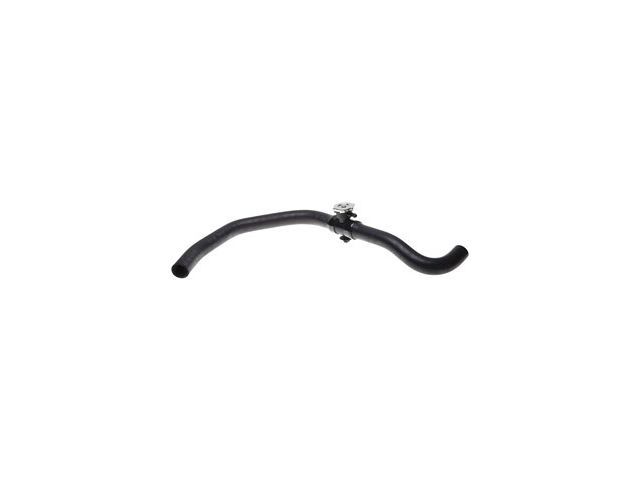
Pro Tip: While replacing your radiator, it's a smart and inexpensive move to also replace the radiator cap, thermostat, and coolant hoses. These parts wear out at a similar rate and are easy to access while the system is drained.
🎬 Watch: How to replace the thermostat and housing on 2.4L engines.Dodge Avenger Radiator Cost Comparison
| Part Type | Estimated Cost |
|---|---|
| New Aftermarket Radiator | $67.97 - $148.10 |
| New OEM Radiator | $700 - $810 |
| Shop Labor Cost | $380 - $630 |
| Total Professional Replacement (Aftermarket Part) | $450 - $780 |
| Total Professional Replacement (OEM Part) | $1,080 - $1,440 |
Frequently Asked Questions (FAQ)

Do I need to replace my radiator cap?
Yes, it is highly recommended. A radiator cap is a pressure-regulating valve. If it fails, the cooling system can't reach the correct pressure, which lowers the boiling point of your coolant and can cause overheating. It's an inexpensive part that is critical for system performance.
What kind of coolant should I use in my Dodge Avenger?
Always check your owner's manual first. Most 2006-2014 Avengers require a MOPAR-approved Hybrid Organic Acid Technology (HOAT) coolant. Using the wrong type of coolant can lead to corrosion and damage to cooling system components.
Does the new radiator include a transmission cooler?
It depends on the specific part. Most Dodge Avengers with automatic transmissions have a transmission fluid cooler integrated into the radiator. Always verify that the product description for the radiator you are buying specifies whether it includes the transmission oil cooler and that the fittings match your vehicle.
Is replacing the radiator a DIY job?
For someone with moderate mechanical skill and the right tools, yes. The process involves draining the coolant, removing the air filter housing, disconnecting hoses and the cooling fan assembly, and then unbolting the radiator. The trickiest part can be separating the A/C condenser without damaging it. If you are not comfortable, it's best to leave it to a professional.
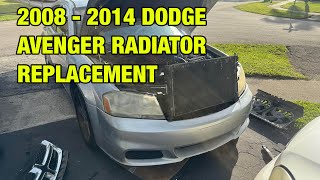
🎬 Watch: Step-by-step DIY radiator replacement guide for your Avenger.Helpful Videos
Technical Specifications
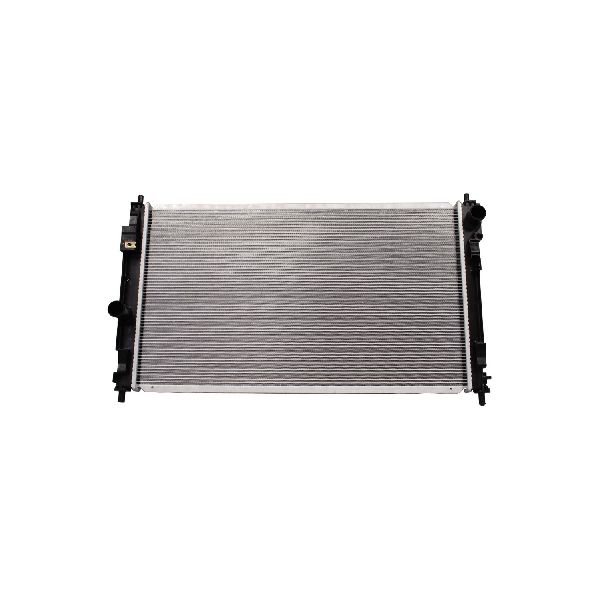
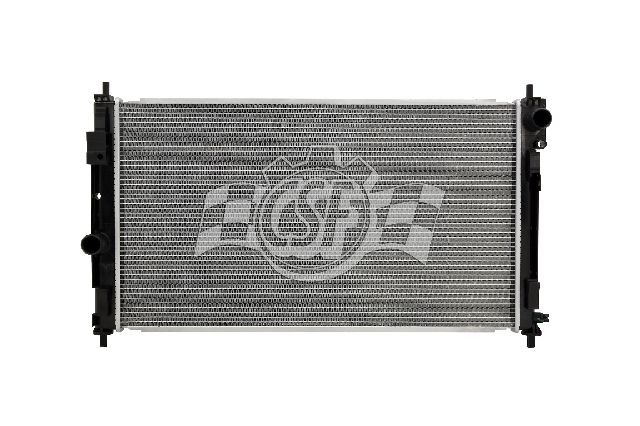
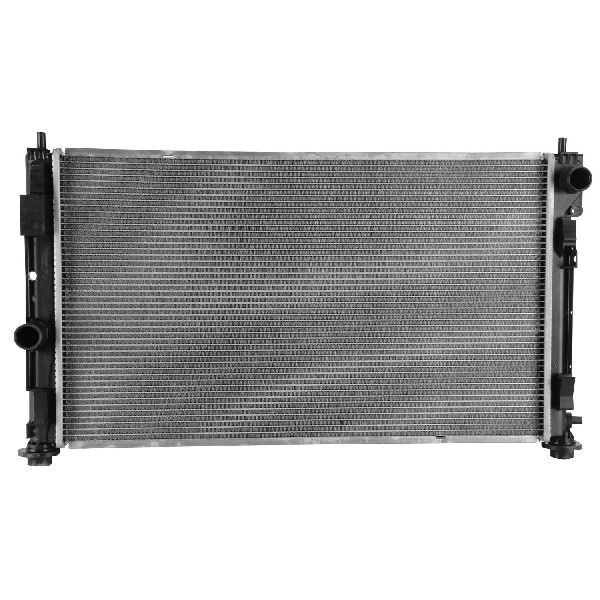
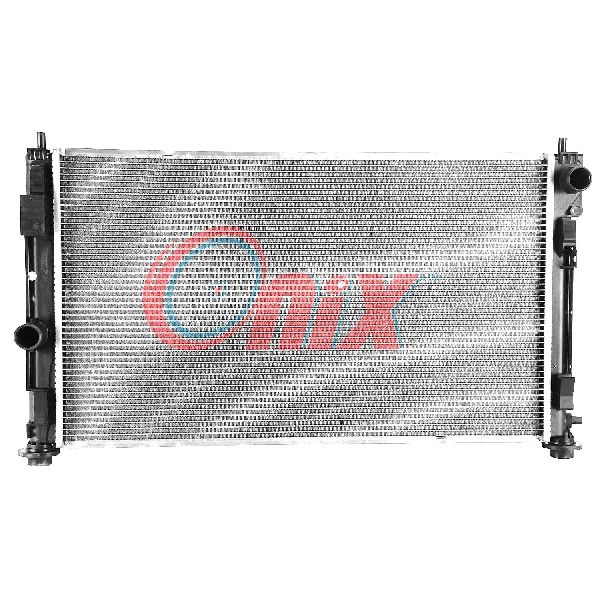
Most aftermarket radiators for the Dodge Avenger feature an aluminum core with plastic tanks, which is consistent with the original equipment design. They are typically a cross-flow type radiator. Core thickness is usually around 0.63 inches (16mm). Always verify the specific dimensions and whether a transmission cooler is included before purchase.
We Have This Part in Stock


The information in this article is provided for general reference and educational purposes only. Vehicle specifications, procedures, and part compatibility can vary by production date, trim level, and region. Always consult your vehicle's factory service manual and verify part numbers before purchasing or performing repairs. Safety-critical components such as airbags, seat belts, and braking systems should be installed by a qualified professional.
- Dodge Avenger:
- 🎬 Helpful Videos
- 🛍️ Shop This Part
- Is Your Dodge Avenger Radiator Failing?
- Symptoms of a Bad Radiator:
- Known Issues: Radiator Fan Motor Recall (2007-2008 Models)
- Choosing the Right Aftermarket Radiator
- Aftermarket Brand Tiers
- Dodge Avenger Radiator Cost Comparison
- Frequently Asked Questions (FAQ)
- 🎟️ Get 5% Off