

A Deep Dive into the 2006-2014 Dodge Challenger Power Steering Pump
Steering feel heavy or hearing a whine? Your power steering pump might be the problem—here's what you need to know.
- For 2011-2014, V6 and 5.7L V8 models use a very expensive Electro-Hydraulic (EHPS) pump, while 6.4L V8s use a conventional pump; they are not interchangeable.
- A recall exists for some 2011-2014 5.7L models where alternator failure can cause a loss of power steering.
- Using the correct fluid is essential: special Mopar fluid for EHPS systems and likely ATF+4 for conventional ones.
- The most common symptoms are a whining noise when turning and a stiff steering wheel.
Is Your Challenger's Power Steering Pump Failing?

A failing power steering pump rarely dies without warning. For Dodge Challenger owners, the signs are usually noticeable and shouldn't be ignored. Catching the problem early can prevent more expensive damage to the steering rack.
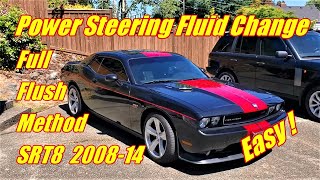
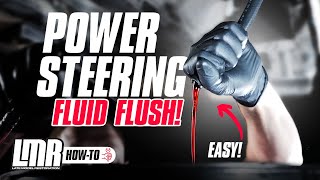
🎬 Watch: How to properly flush and bleed your steering system.Common Failure Symptoms
- Whining or Groaning Noises: The most common symptom is a distinct whining sound that gets louder when you turn the steering wheel, especially at low speeds. You might also hear it squeal when you first start the engine.
- Stiff or Heavy Steering: The wheel becomes difficult to turn, feeling like the car has manual steering. This is most obvious in parking lots.
- "Service Power Steering" Light: On models with the EHPS system, a warning message may appear on your dashboard. 🎬 Watch: Troubleshooting the EHPS system and common electrical fixes.
- Fluid Leaks: Finding reddish or light brown fluid puddles under the front of your car is a clear sign of a leak in the power steering system.
Known Issues, Recalls, and Technical Service Bulletins (TSBs)

Your 2008-2014 Challenger may be affected by a few official notices related to the power steering system. A TSB, or Technical Service Bulletin, is a report from the manufacturer to dealers about known issues and fixes.
- NHTSA Recall 17V-435: This important recall affects some 2011-2014 Challengers with the 5.7L engine and Electro-Hydraulic Power Steering (EHPS). The alternator can fail due to the electrical load from the EHPS pump, causing a sudden loss of power steering assist.
- NHTSA Recall 10V475000: Some 2010 Challenger models were recalled for a power steering pressure hose that could separate at the crimp. This can cause a fluid leak, creating a fire risk if the fluid sprays onto a hot engine.
Choosing the Right Aftermarket Pump: OEM vs. Aftermarket

When your pump fails, you have a few choices. For this specific part, the decision is more complex than just price.
OEM (Mopar): An original equipment pump from Mopar is the safest but most expensive choice. The EHPS pump for 2011-2014 V6 and 5.7L models is notoriously expensive, with new units costing well over $1,700. Given the high failure rate and electrical complexity of the EHPS unit, many owners who want a long-term fix choose to pay the premium for an OEM part.
Aftermarket (New & Remanufactured): Brands like Cardone, BBB Industries, and Crown Automotive offer replacements at a much lower cost.
- Cardone & BBB Industries: These are two of the largest remanufacturers. Forum discussions show mixed results; some owners have success, while others report premature failures. They are a budget-friendly option, but there is a risk of receiving a faulty part, leading to doing the job twice.
- Crown Automotive: Known primarily for Jeep parts, Crown also makes components for Dodge. They generally have a positive reputation in enthusiast communities.
A Note on Remanufactured Parts
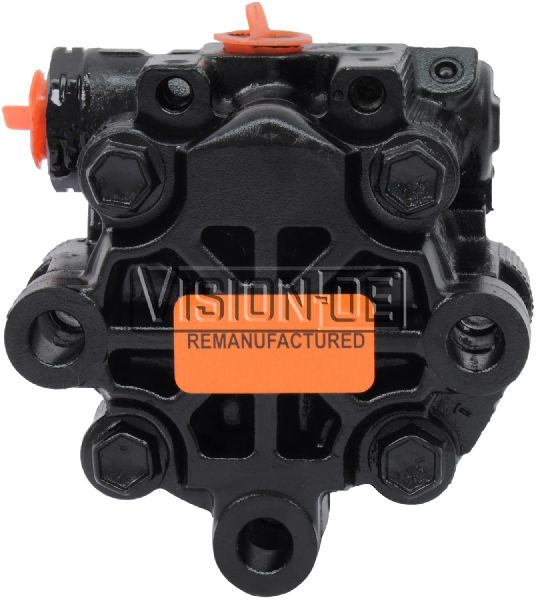
A remanufactured (or "reman") pump has been disassembled, cleaned, inspected, and rebuilt with new seals and wearable components. While they can be a good value, quality can vary significantly between brands. A persistent whine after installation can sometimes indicate a problem with the remanufactured unit itself or air still trapped in the system.
Common Ordering Mistake: Know Your Engine!

For 2011-2014 Challengers, you MUST know your engine before ordering. The pump is not the same across all models.
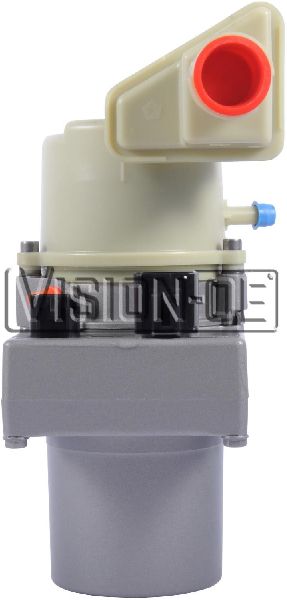
- 3.6L V6 / 5.7L V8: Use the Electro-Hydraulic (EHPS) pump. It's a self-contained unit with an electric motor and no belt pulley.
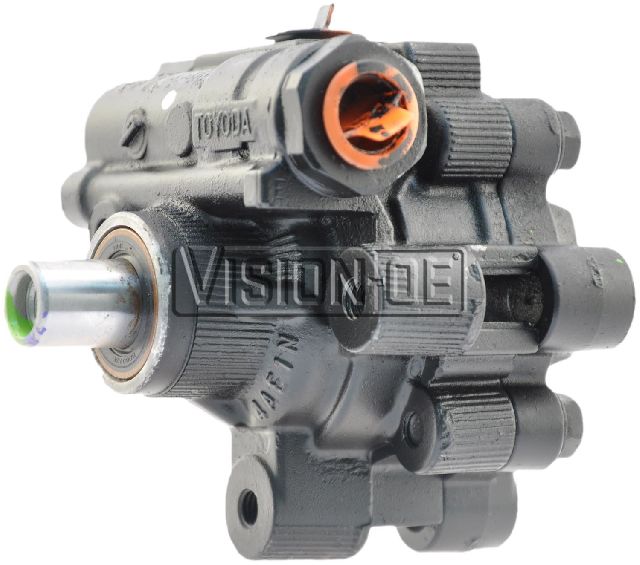
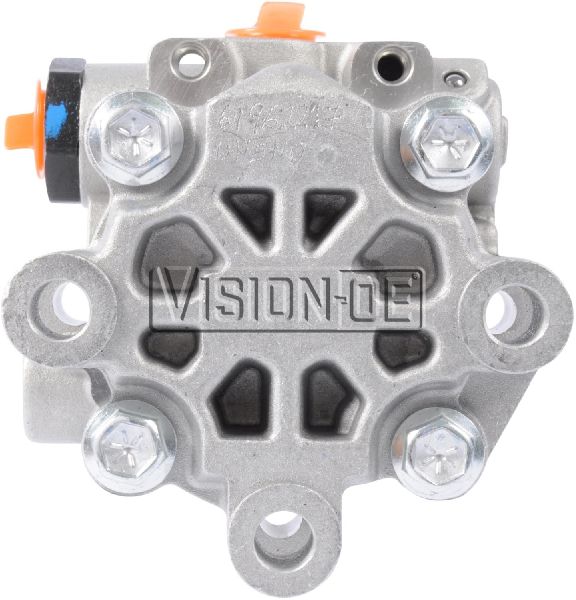
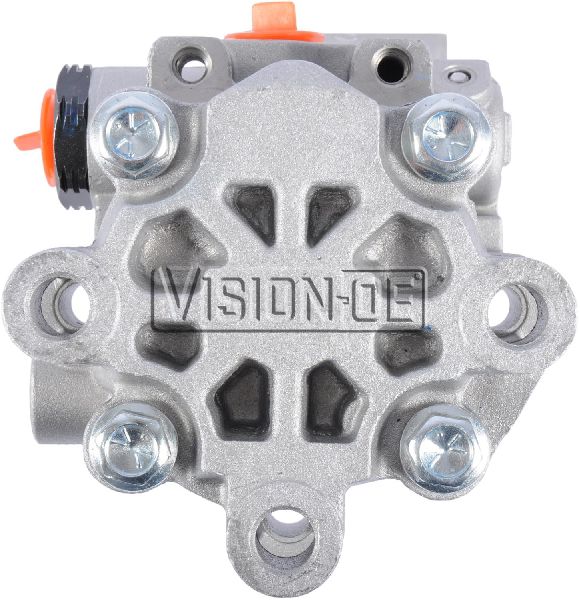
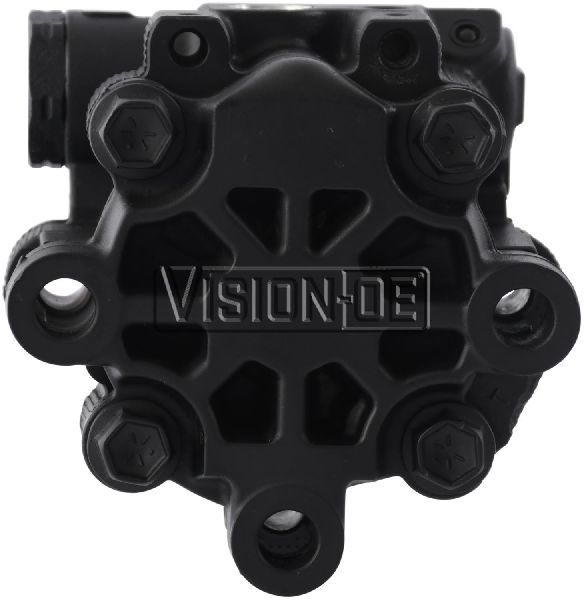
- 6.4L V8 (SRT): Uses a conventional, belt-driven hydraulic pump with a pulley. 🎬 See this walkthrough for installing a belt-driven performance pump.
These two systems are completely different and are not interchangeable. Ordering the wrong one is a common and costly mistake.
Cost to Replace a Dodge Challenger Power Steering Pump
The cost varies dramatically depending on your model year and engine, primarily due to the expensive EHPS pump in 2011+ V6 and 5.7L models.
| Part/Service | Estimated Cost |
|---|---|
| Shop Labor | $170 - $300 |
| New Aftermarket Pump | $94 - $756 |
| New OEM Pump (Mopar) | $250 - $1,800+ |
| Total Professional Replacement | $350 - $2,100+ |
Frequently Asked Questions
What fluid do I need for my Challenger's power steering?
This is critical. For 2011+ models with the EHPS pump (3.6L/5.7L), you must use fluid meeting the Mopar MS-11655 specification. For earlier models or those with a conventional pump, ATF+4 is often specified. Using the wrong fluid can cause noise and damage the new pump.
Is it hard to replace the power steering pump yourself?
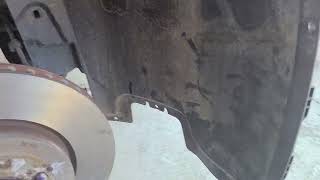
For a skilled DIY mechanic, it is feasible. The EHPS pump is located behind the passenger-side front wheel well liner, so you'll need to remove the wheel and liner to access it. The job requires flushing the old fluid and properly bleeding the air out of the new system. Estimated time is 2-3 hours.
My mechanic replaced the pump, but it's still whining. What's wrong?
This can happen for a few reasons. The most common is air trapped in the system, which needs to be bled out by turning the steering wheel from lock to lock several times with the engine running. It could also indicate a problem with the replacement pump itself, especially with some remanufactured units, or a separate issue in the steering rack.
Does the 2006-2007 Dodge Challenger have this problem?
The modern Dodge Challenger was re-introduced for the 2008 model year. There was no Dodge Challenger model produced between 2006 and 2007. This guide applies to the generation beginning in 2008.
Helpful Videos

Technical Specifications
OEM Part Numbers: 68059643AL 68059643AK 68059643AJ 68059643AI 4782524AF 5181854AA R8059643AK R5290845AB
System type varies by engine for 2011-2014 models. 3.6L/5.7L engines use an Electro-Hydraulic Power Steering (EHPS) pump. 6.4L engines use a conventional belt-driven hydraulic pump. Fluid requirements are specific to the system type.
We Have This Part in Stock

The information in this article is provided for general reference and educational purposes only. Vehicle specifications, procedures, and part compatibility can vary by production date, trim level, and region. Always consult your vehicle's factory service manual and verify part numbers before purchasing or performing repairs. Safety-critical components such as airbags, seat belts, and braking systems should be installed by a qualified professional.
- Dodge Challenger:
- 🎬 Helpful Videos
- 🛍️ Shop This Part
- Is Your Challenger's Power Steering Pump Failing?
- Common Failure Symptoms
- Known Issues, Recalls, and Technical Service Bulletins (TSBs)
- Choosing the Right Aftermarket Pump: OEM vs. Aftermarket
- A Note on Remanufactured Parts
- Common Ordering Mistake: Know Your Engine!
- Cost to Replace a Dodge Challenger Power Steering Pump
- Frequently Asked Questions
- 🎟️ Get 5% Off