

Ford Mustang Oxygen Sensor Guide for 2006-2014 Models
Keep your Mustang's engine running efficiently by understanding its oxygen sensors.
- Your 2006-2014 Mustang has four oxygen sensors; two upstream for fuel control and two downstream for catalyst monitoring.
- For best results and to avoid repeat repairs, use OEM-grade brands like Motorcraft, Bosch, Denso, or NGK/NTK.
- A special slotted oxygen sensor socket is essential for removal and installation.
- A bad O2 sensor will cause a failed emissions test and can damage your catalytic converter if ignored.
Symptoms of a Bad Oxygen Sensor

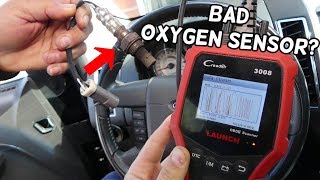
When an O2 sensor starts to fail, your Mustang's computer can't properly adjust the air-fuel mixture. This can lead to noticeable problems. The most common sign is the Check Engine Light turning on. You might also experience reduced gas mileage, a rough idle, hesitation during acceleration, or even stalling. In some cases, a failing sensor can lead to a rich fuel condition, which you might notice as a smell of unburned fuel from the exhaust. 🎬 Watch: How to test and confirm a bad oxygen sensor If left ignored for too long, a bad O2 sensor can contribute to the failure of your expensive catalytic converters.
Don't Ignore the Check Engine Light
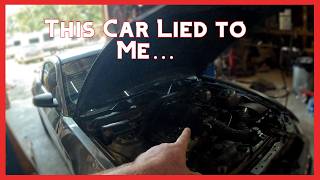
A Check Engine Light for an O2 sensor code means the car is likely running inefficiently. While you can still drive, prolonged operation can lead to poor performance, wasted fuel, and potential damage to other exhaust components. 🎬 Watch: Dealing with a Mustang O2 sensor nightmare and codes It will also cause you to fail an emissions test.
Choosing the Right Aftermarket O2 Sensor

When it comes to sensors that provide critical data to your engine's computer, quality matters. While many brands are available, Mustang owners and mechanics often report the most consistent results with specific tiers of brands.
Brand Quality Tiers for Ford Mustang
- OEM / Premium Aftermarket: Motorcraft is the original Ford part, offering guaranteed compatibility. However, Ford doesn't make its own sensors; brands like Bosch, Denso, and NGK (NTK) are often the original equipment manufacturers. These brands are widely trusted by Mustang owners for reliability and accurate readings that match factory specifications.
- Quality Aftermarket: Brands like Delphi and Walker Products are established aftermarket manufacturers that offer a good balance of quality and price. They are generally considered reliable replacements for daily driving.
- Budget-Friendly Options: Brands like DriveWire and Vemo fall into the economy category. While they are the most affordable, some owners report a higher chance of premature failure or less precise readings, which can sometimes lead to persistent check engine light issues. For a critical part like an O2 sensor, it's often recommended to choose from the higher tiers to avoid doing the job twice.
Direct-Fit vs. Universal Sensors
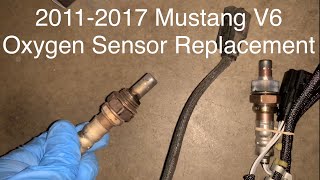
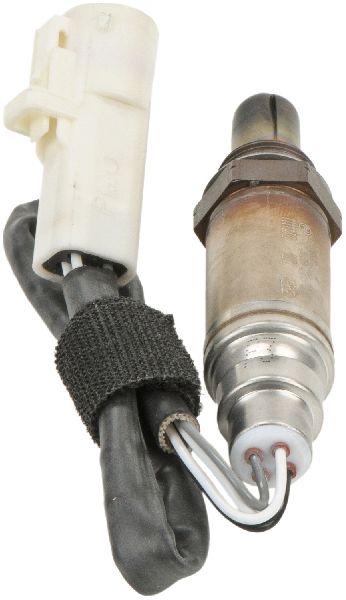
Always choose a "direct-fit" sensor. These come with the correct wire length and factory-style connector for your specific Mustang, making installation a simple plug-and-play process. 🎬 See this complete O2 sensor replacement walkthrough for 05-14 Mustangs Universal sensors require you to cut and splice wires, which can introduce a point of failure and is not recommended.
Cost to Replace a 2006-2014 Mustang O2 Sensor

| Part Category | Estimated Cost |
|---|---|
| New Aftermarket O2 Sensor | $38 - $170 |
| New OEM (Motorcraft) O2 Sensor | $80 - $200 |
| Shop Labor Cost | $100 - $250 (per sensor) |
Frequently Asked Questions

How many O2 sensors does my 2006-2014 Mustang have?
All V6 and V8 models from this generation have four oxygen sensors. There are two upstream sensors (Bank 1 Sensor 1, Bank 2 Sensor 1) located in the exhaust manifolds or front pipes, and two downstream sensors (Bank 1 Sensor 2, Bank 2 Sensor 2) located after the catalytic converters.
What's the difference between upstream and downstream sensors?
Upstream sensors (before the cat) are the most important, as they provide the primary feedback for the engine to adjust its air-fuel ratio. Downstream sensors (after the cat) mainly monitor the efficiency of the catalytic converters. While they can have different wire lengths, the core sensor technology is often similar for a given vehicle.
Do I need a special tool to replace an O2 sensor?
Yes, it is highly recommended to use a special O2 sensor socket. This socket has a slot down the side to accommodate the sensor's wire. Using a standard deep socket is not possible, and a regular wrench can easily strip the sensor, especially if it's rusted in place. Soaking the old sensor with penetrating oil beforehand is also a good idea.
Should I replace all four sensors at once?
It's not always necessary, but it can be a good preventative measure, especially on a high-mileage vehicle (over 100,000 miles). O2 sensors degrade over time, becoming less responsive. If one has failed, others may not be far behind. If you are replacing one, it's a good practice to at least replace them in pairs (both upstream or both downstream).
Are there any recalls for my Mustang's O2 sensors?
No, there are no specific recalls for oxygen sensors on the 2006-2014 Ford Mustang. Searches on the NHTSA database show recalls for this generation primarily related to Takata airbag inflators. Always check for the latest recall information using your vehicle's VIN on the official NHTSA or Ford websites.
Helpful Videos
Technical Specifications
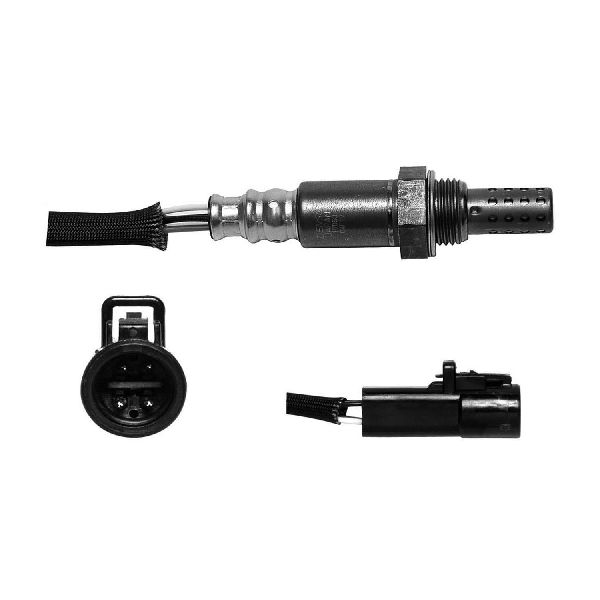
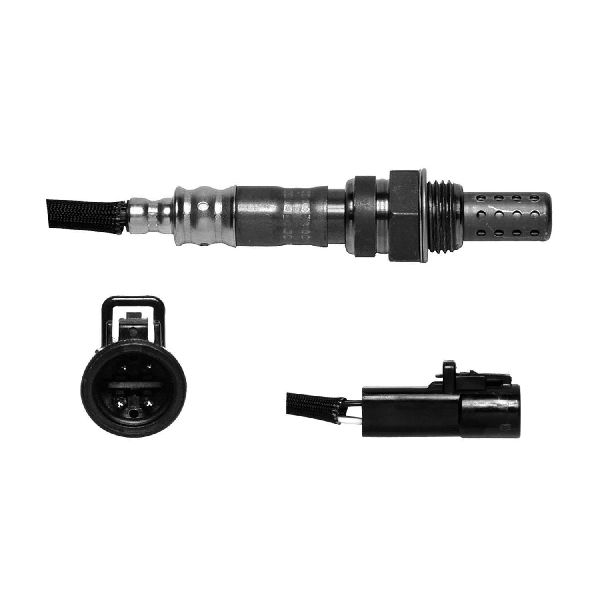
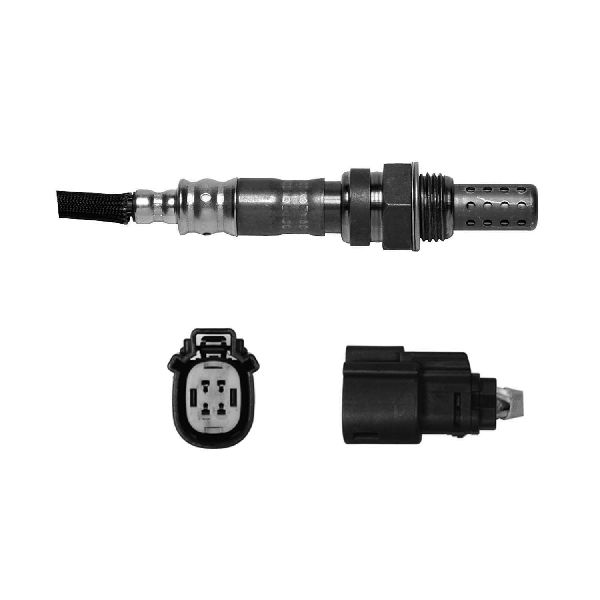
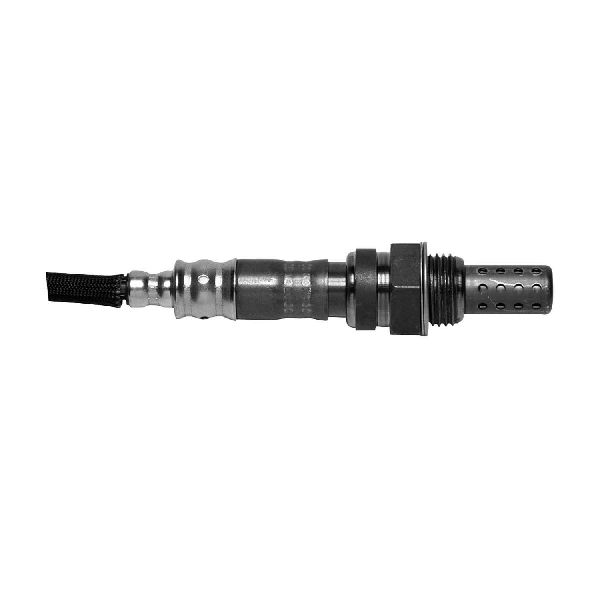
OEM Part Numbers: BR3Z-9G444-A 7L1Z-9G444-A 8A1Z-9G444-A DY1093
Most models use a 4-wire heated oxygen sensor. The primary difference between upstream and downstream sensors is often the wire harness length. Always verify the part number for your specific year and engine (V6 or V8).
We Have This Part in Stock


The information in this article is provided for general reference and educational purposes only. Vehicle specifications, procedures, and part compatibility can vary by production date, trim level, and region. Always consult your vehicle's factory service manual and verify part numbers before purchasing or performing repairs. Safety-critical components such as airbags, seat belts, and braking systems should be installed by a qualified professional.
- Ford Mustang:
- 🎬 Helpful Videos
- 🛍️ Shop This Part
- Symptoms of a Bad Oxygen Sensor
- Don't Ignore the Check Engine Light
- Choosing the Right Aftermarket O2 Sensor
- Brand Quality Tiers for Ford Mustang
- Direct-Fit vs. Universal Sensors
- Cost to Replace a 2006-2014 Mustang O2 Sensor
- Frequently Asked Questions
- 🎟️ Get 5% Off