

Honda Civic Ignition Switch Guide for 2006-2014 Models
Is your Civic having trouble starting? The ignition switch could be the culprit, and this guide explains what you need to know.
- Failure symptoms often include a no-start condition, stalling after starting, and flickering dash lights.
- For a DIY repair, you typically only need to replace the electrical switch, not the entire lock cylinder, which avoids the need for key reprogramming.
- Quality aftermarket brands like Standard Ignition and Beck Arnley are considered reliable alternatives to OEM parts for this component.
- A faulty ignition switch is a known issue on this generation of Honda Civic, but it's a relatively inexpensive and easy part to replace.
Is Your Honda Civic's Ignition Switch Failing?
The ignition switch is a common wear item on the 2006-2014 Honda Civic. Over time, the electrical contacts inside can wear out, leading to a range of frustrating and intermittent problems. If you're experiencing starting issues or weird electrical glitches, a failing ignition switch is a likely cause.
Common Symptoms of a Bad Ignition Switch
- Car Won't Start or Crank: You turn the key, and nothing happens, or you only hear a single click. All the lights on your dash may or may not come on.
- Starts and Immediately Stalls: The engine fires up but dies as soon as you let go of the key. You might be able to keep it running by wiggling the key.
- Intermittent Electrical Problems: Your dashboard lights might flicker, the radio could cut out, or accessories might stop working randomly. This can also happen when you hit a bump.
- Key is Hard to Turn: The key feels stuck or is difficult to turn in the ignition. This could point to a problem with the lock cylinder or the switch itself.
Recall Information
While there were several Honda recalls for ignition switch interlock issues, which could allow the key to be removed when not in Park, these primarily affected earlier models (like the 2003 Civic). No specific ignition switch recalls covering electrical failure were found for the 2006-2014 generation in the search results. Always check the official NHTSA website with your VIN for the latest recall information.
Choosing the Right Aftermarket Ignition Switch
When replacing the ignition switch, you have a choice between OEM (Original Equipment Manufacturer) and aftermarket parts. For the 8th generation Civic, a quality aftermarket switch can be a reliable and cost-effective alternative to a more expensive dealer part.
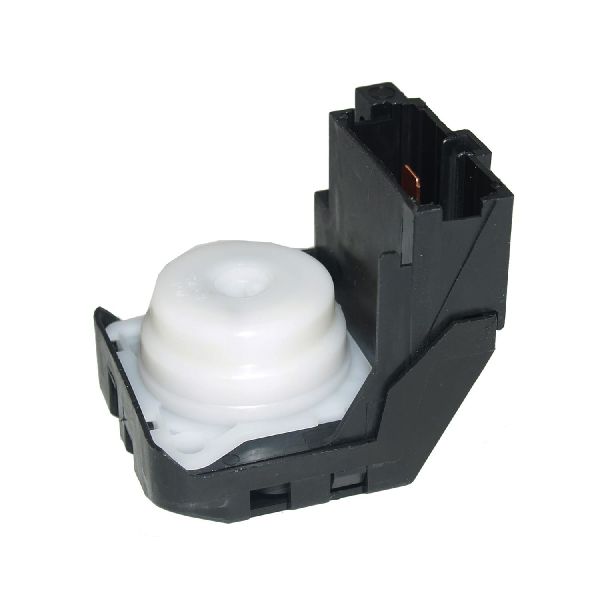
The ignition switch is the electrical component at the back of the lock cylinder. In most cases, you do not need to replace the entire lock assembly and keys. You can reuse your original keys and lock cylinder.
| Brand | General Reputation & Quality |
|---|---|
| Standard Ignition (Standard Motor Products) | Often considered a top-tier aftermarket brand. Many users report that SMP parts are sometimes just repackaged OEM parts. They are known for using quality materials like copper alloy conductors and for extensive testing. A reliable choice for this repair. |
| Beck Arnley | Specializes in parts for foreign nameplate vehicles and aims to match OE form, fit, and function. They source parts from a global network, and quality is generally considered good. It's a solid mid-to-upper-tier option. |
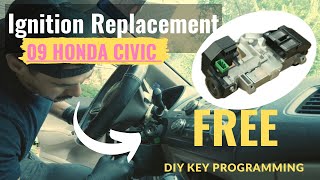
| True Tech | Information on this specific brand was not prevalent in the search results. It likely falls into the budget or standard-grade category. While it may function correctly, longevity compared to brands like Standard Ignition or Beck Arnley is less certain. Some owners have reported issues with cheap, unbranded parts failing prematurely. | 🎬 Watch how one owner fixed their ignition switch for $5.
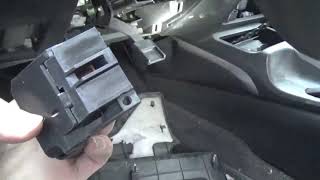
Pro Tip: The actual replacement of the electrical switch is a straightforward DIY job for many owners. It typically involves removing the lower steering column cover and a couple of screws. However, if your key is stuck and won't turn, or if you need to replace the entire lock cylinder assembly, the job becomes more complex and may require swapping the immobilizer chip from your old key.
Frequently Asked Questions (FAQ)
Do I need to reprogram my key after replacing the ignition switch?
No, not if you are only replacing the electrical switch portion. Your car's immobilizer system is linked to the lock cylinder and the chip in your key. Since you are reusing both, no reprogramming is needed. If you replace the entire lock assembly, you will need to program the new keys or transfer the immobilizer components.
🎬 Learn how to replace the switch and handle key programming.Is it difficult to replace a Civic ignition switch myself?
Replacing just the electrical switch is relatively easy and requires basic tools like a screwdriver. You'll need to remove the plastic covers around the steering column to access it. Several video guides are available online showing the process for the 2006-2011 Civic. 🎬 See a step-by-step ignition switch replacement on a Civic Coupe. The difficulty is low for a DIYer with some experience.
What's the difference between the ignition switch and the lock cylinder?
The lock cylinder is the mechanical part that your key slides into. The ignition switch is the electronic part behind it that actually routes power. Often, only the switch fails due to worn electrical contacts.
Could my starting problem be something else?
Yes. Similar symptoms can be caused by a weak battery, a bad starter, or corroded battery terminals. However, if you're also experiencing flickering dash lights or the car stalls after starting, the ignition switch is a very strong possibility.
Helpful Videos

Technical Specifications
OEM Part Numbers: 35130-SNA-A01
This article refers to the electrical ignition switch only, not the lock cylinder and key assembly. The switch is located on the back of the ignition lock housing and is typically held in place by two small screws.
We Have This Part in Stock


The information in this article is provided for general reference and educational purposes only. Vehicle specifications, procedures, and part compatibility can vary by production date, trim level, and region. Always consult your vehicle's factory service manual and verify part numbers before purchasing or performing repairs. Safety-critical components such as airbags, seat belts, and braking systems should be installed by a qualified professional.
- Honda Civic: