

A Forester Owner's Guide to the Engine Coolant Temperature Sensor (2006-2014)
Fix check engine lights, overheating, and poor gas mileage by understanding and replacing this key sensor on your Subaru Forester.
- A bad ECT sensor can cause serious issues like overheating, poor fuel economy, and failed emissions tests.
- Symptoms often include a Check Engine Light with codes P0117 or P0118, and an erratic temperature gauge.
- High-quality aftermarket brands like NGK (NTK) and Beck Arnley are reliable alternatives to the more expensive OEM part.
- Always verify the correct OEM part number for your Forester's specific year, as it can change, especially for the 2014 model.
Why is the Coolant Sensor Important on Your Forester?

A properly working Engine Coolant Temperature (ECT) sensor is critical for your 2006-2014 Subaru Forester's health. It ensures the engine runs efficiently, whether it's a cold start on a winter morning or a hot summer day. When this sensor fails, the engine's computer receives incorrect information, leading to a variety of noticeable problems. Replacing a faulty sensor is a straightforward repair that can prevent poor performance and potential engine damage.
Symptoms of a Failing ECT Sensor

When your Forester's ECT sensor starts to fail, it can't send the right temperature information to the engine computer. Look out for these common signs:
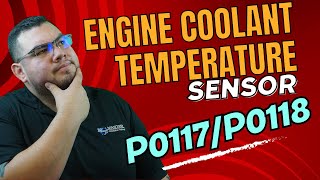
- Check Engine Light: This is often the first warning. The computer will log fault codes, most commonly P0117 (sensor circuit low) or P0118 (sensor circuit high). 🎬 See how to test and replace sensors for these codes
- Engine Overheating or Erratic Gauge: The temperature gauge on your dash might swing wildly, stay stuck on cold, or shoot straight to hot. The cooling fans may not turn on when needed, causing the engine to overheat.
- Poor Fuel Economy: If the sensor incorrectly tells the computer the engine is cold, the computer will enrich the fuel mixture, causing you to use more gas.
- Black Smoke from Exhaust: A constantly rich fuel mixture from a bad sensor reading can result in unburned fuel leaving the engine, which creates black smoke in the exhaust.
- Difficulty Starting: Especially when the engine is already warm, a bad sensor can make it hard to start because the fuel mixture is incorrect.
Choosing the Right Aftermarket Sensor

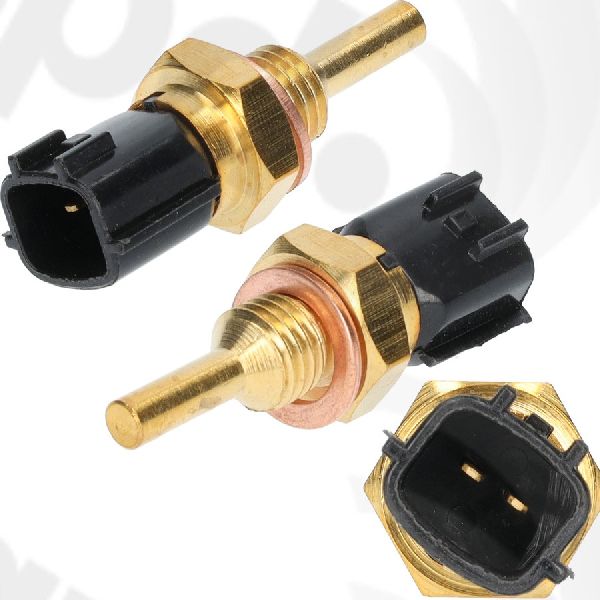
For this part, you don't necessarily have to buy the genuine Subaru sensor. Several reputable aftermarket brands offer quality replacements that meet or exceed original equipment (OE) specifications.
Aftermarket Brand Tiers for Subaru Forester
| Tier | Brands | Notes |
|---|---|---|
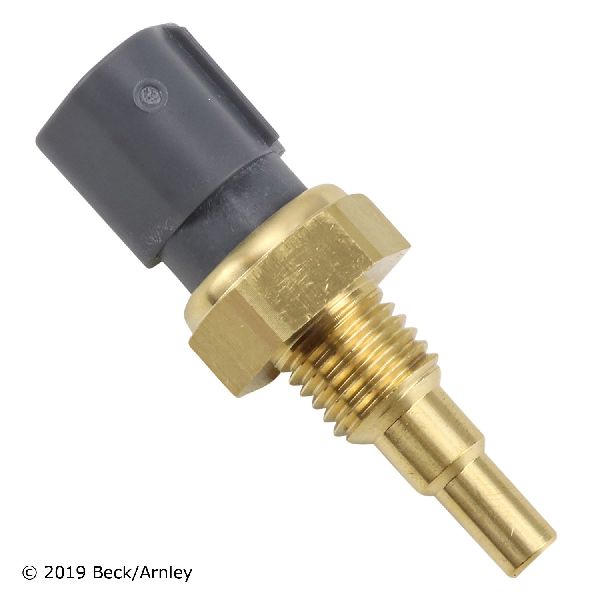
| Premium Aftermarket | NGK (NTK), Beck Arnley | These brands have a strong reputation for quality and engineering. They often design parts to match OE form, fit, and function, and may include features like pre-applied thread sealant or thermal grease for better performance. They are a trusted choice for many mechanics and DIYers. |
| Standard Aftermarket | Standard Ignition (SMP), Four Seasons, Walker Products, Holstein | These are well-known brands that produce a wide range of sensors. They offer a good balance of quality and value and are widely available. They are generally considered reliable for common repairs. |
| Value-Oriented | Global Parts, Motorad | These brands typically offer the lowest price point. While they can be a budget-friendly solution, they may not always have the same level of engineering or long-term durability as premium brands. |
How Much Does a New ECT Sensor Cost?
The cost can vary depending on the brand you choose and whether you do the job yourself. The replacement is considered easy for a DIYer with basic tools.
Estimated Cost for 2006-2014 Subaru Forester ECT Sensor
| Part / Service | Estimated Cost |
|---|---|
| New OEM Subaru Sensor | $40 - $75 |
| New Aftermarket Sensor | $15 - $52 |
| Shop Labor | $95 - $150 |
| Total (Shop Repair) | $110 - $225 |
Pro Tip: Replacing the ECT sensor is a good DIY project. It's usually located on a coolant crossover pipe on top of the engine. You'll need to drain a small amount of coolant before swapping it. Have a new sensor and a drain pan ready, and the job can be done in under 30 minutes.
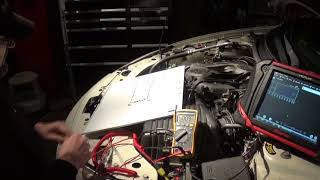
🎬 Watch this step-by-step sensor replacement on a 2.5L SubaruFrequently Asked Questions (FAQ)

Where is the ECT sensor located on a 2006-2014 Forester?
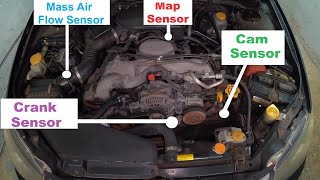
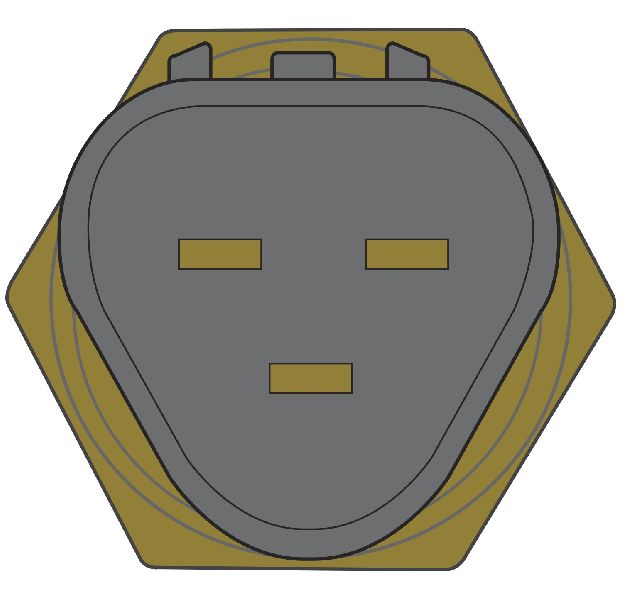
On most 2.5L non-turbo engines in this year range, the ECT sensor is screwed into the coolant crossover pipe that sits on top of the engine block, slightly towards the passenger side. It has a small electrical connector attached to it. Always confirm the location for your specific model and year before starting.
🎬 Watch: Locate every sensor on your Subaru Boxer engineIs there a recall on the coolant sensor for my Forester?
No, there are no specific recalls for the engine coolant temperature sensor on the 2006-2014 Subaru Forester. Searches of the NHTSA database show recalls for other items, but not this specific sensor.
Do I need a special tool to replace the sensor?
No special tools are required. You will typically need a deep socket wrench (often 19mm, but verify your replacement part) to unscrew the old sensor and install the new one. You will also need pliers for the air intake clamps and a pan to catch a small amount of coolant that will spill.
My 2014 Forester uses a different sensor than my friend's 2012. Is that right?
Yes, that is possible. The 2006-2013 models generally use the same sensor (OEM part # 22630AA161 or 22630AA140). However, the 2014 model year was a transition to a new generation. Some 2014 Foresters may use a different sensor (like OEM part # 22630AA230). It is very important to verify the correct part for your specific vehicle using its VIN before purchasing.
Helpful Videos

Technical Specifications
OEM Part Numbers: 22630AA161 22630AA140 22630AA230
This sensor is a thermistor that changes resistance based on coolant temperature. There are at least two main versions for this year range. The 2006-2008 models typically use part number 22630AA161. The 2009-2013 models often use 22630AA140. The 2014 model may use either 22630AA140 or 22630AA230 depending on production date, so VIN verification is crucial.
We Have This Part in Stock


The information in this article is provided for general reference and educational purposes only. Vehicle specifications, procedures, and part compatibility can vary by production date, trim level, and region. Always consult your vehicle's factory service manual and verify part numbers before purchasing or performing repairs. Safety-critical components such as airbags, seat belts, and braking systems should be installed by a qualified professional.
- Subaru Forester:
- 🎬 Helpful Videos
- 🛍️ Shop This Part
- Why is the Coolant Sensor Important on Your Forester?
- Symptoms of a Failing ECT Sensor
- Choosing the Right Aftermarket Sensor
- Aftermarket Brand Tiers for Subaru Forester
- How Much Does a New ECT Sensor Cost?
- Estimated Cost for 2006-2014 Subaru Forester ECT Sensor
- Frequently Asked Questions (FAQ)
- 🎟️ Get 5% Off