

BMW 750Li (2006-2015) Engine Coolant Temperature Sensor Guide
Understanding why this small sensor is critical for your 750Li's engine performance and how to choose the right replacement.
- Verify your 750Li's generation (E66 or F02) as F02 models may have two sensors.
- A bad sensor can cause serious issues like overheating, poor fuel economy, and rough running.
- Do not continue driving if you suspect overheating; this can cause severe engine damage.
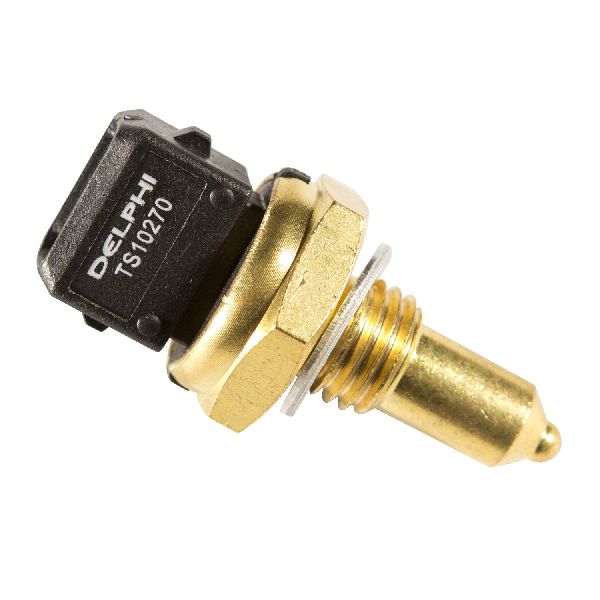
- High-quality aftermarket brands like Delphi, Vemo, or NGK are reliable alternatives to more expensive OEM parts for this component.
Understanding Your 750Li's Coolant Sensors: E66 vs. F02 Generations
The 2006-2015 BMW 750Li spans two different vehicle generations with different engines, which is important when sourcing this part. The 2006-2008 (E66 chassis) uses the N62 V8 engine, while the 2009-2015 (F02 chassis) uses the newer N63 V8. Many N63-powered BMWs, including the F02 750Li, utilize two coolant temperature sensors: one measuring the engine block temperature and another at the radiator outlet. It is crucial to identify which sensor has failed before purchasing a replacement. A diagnostic scan tool can help pinpoint the exact sensor by reading the specific fault code.
🎬 Watch a diagnostic walkthrough for the radiator outlet sensor code.Symptoms of a Failing Engine Coolant Temperature Sensor
A bad ECT sensor can cause a range of problems, from annoying to severe. Because the ECU relies on its signal for so many calculations, a false reading can make the car behave unpredictably. Common symptoms include a Check Engine Light, poor fuel economy, and rough idling. In some cases, you might see black smoke from the exhaust if the ECU is sending too much fuel, thinking the engine is cold when it's not. 🎬 Learn more about the common signs of a failing sensor. Conversely, a sensor that fails by reading "hot" all the time can lead to overheating issues because the electric cooling fans may not activate correctly.
Overheating Risk
If the sensor fails to send a hot signal to the ECU, the electric cooling fans may not turn on when needed. This can lead to engine overheating, which poses a serious risk of major engine damage. If you see the temperature gauge spike or receive an overheating warning, pull over immediately and have the vehicle towed.
Choosing an Aftermarket Coolant Temperature Sensor
For many repairs on German vehicles, there's a debate between OEM and aftermarket parts. For a simple and relatively inexpensive sensor like the ECT, a high-quality aftermarket brand is often a reliable and cost-effective choice. Brands like Delphi, Vemo, and NGK have a strong reputation in the European car market. URO Parts is another common aftermarket option, sometimes offering upgraded components and a good warranty. Cheaper, unbranded options are available but may lack the same quality control and durability. Given the critical role of this sensor, opting for a recognized brand is a wise investment.
Pro Tip: Replace the O-Ring
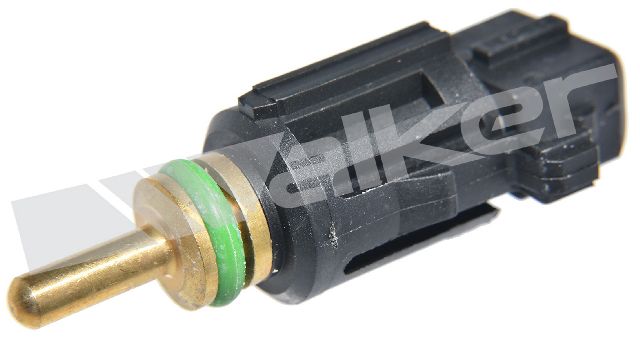
The small O-ring that seals the sensor is a common point for coolant leaks, especially on older vehicles. It is highly recommended to replace the sensor's O-ring or the sensor itself whenever you are replacing a connected cooling system component, like a radiator hose, to prevent future leaks.
| Part Type | Price Range |
|---|---|
| New Aftermarket Sensor | $19.03 - $68.69 |
| New OEM Sensor | $204 - $243 |
| Shop Labor Cost | $107 - $157 |
| Total Professional Replacement (OEM Part) | $311 - $400 |
Frequently Asked Questions (FAQ)
Where is the engine coolant temperature sensor located on my 750Li?
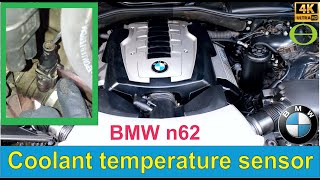
The location varies by engine. On many BMWs, a primary sensor is located on the cylinder head, often near the oil filter housing. A second sensor, if equipped (common on F02 models), is typically found on the lower radiator hose at the radiator outlet. Always verify the location for your specific model year and engine before starting work.
🎬 See the exact sensor locations for E66 and F01/F02 models.Can I drive my BMW 750Li with a bad coolant temperature sensor?
It is not recommended. While the car may still run, a faulty sensor can lead to very poor fuel economy, rough running, and an inability to pass emissions tests. Most critically, it can prevent the cooling fans from operating correctly, creating a significant risk of engine overheating and catastrophic damage.
Is this a difficult part to replace myself?
For a DIYer with some experience, it can be a straightforward job, especially the sensor on the radiator hose. The primary challenge is access, which can be tight. The engine must be completely cool to prevent burns from hot coolant. You will lose a small amount of coolant, which will need to be topped off. After replacement, the cooling system may need to be bled to remove any air pockets.
Are there any recalls for the coolant temperature sensor on the 2006-2015 BMW 750Li?
Searches on the NHTSA database did not show any specific recalls for the engine coolant temperature sensor itself. However, there have been recalls for other cooling system components, like the electric water pump, on various BMW models. It is always a good practice to check for any open recalls on your specific vehicle using its VIN on the NHTSA website.
Helpful Videos

Technical Specifications
OEM Part Numbers: 13621433077 13621433076
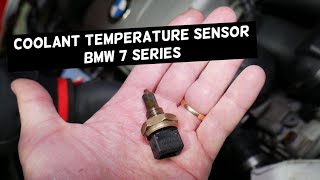
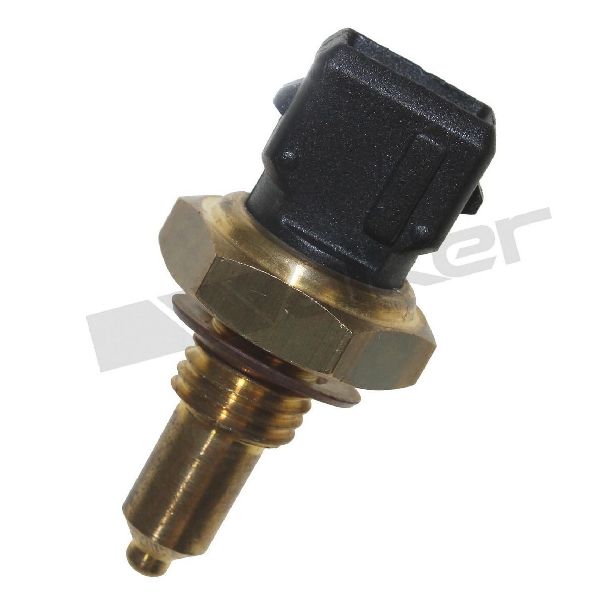
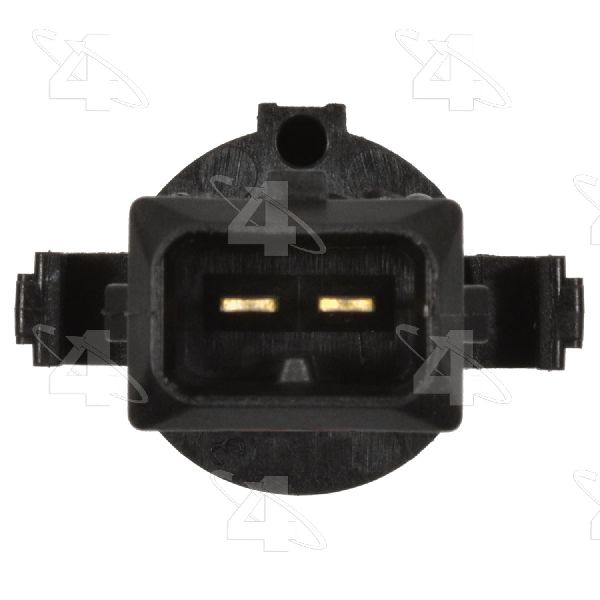
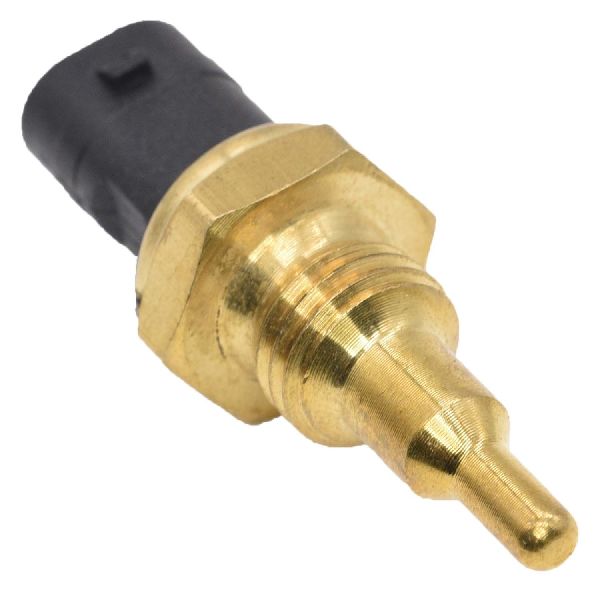
Typically a 2-pin, threaded sensor. The connector shape is rectangular. A 22mm wrench is often required for removal and installation.
We Have This Part in Stock


The information in this article is provided for general reference and educational purposes only. Vehicle specifications, procedures, and part compatibility can vary by production date, trim level, and region. Always consult your vehicle's factory service manual and verify part numbers before purchasing or performing repairs. Safety-critical components such as airbags, seat belts, and braking systems should be installed by a qualified professional.
- BMW 750Li:
- 🎬 Helpful Videos
- 🛍️ Shop This Part
- Understanding Your 750Li's Coolant Sensors: E66 vs. F02 Generations
- Symptoms of a Failing Engine Coolant Temperature Sensor
- Overheating Risk
- Choosing an Aftermarket Coolant Temperature Sensor
- Pro Tip: Replace the O-Ring
- Frequently Asked Questions (FAQ)
- 🎟️ Get 5% Off