

Chevrolet Malibu VVT Solenoid Guide for 2006-2015 Models
Fixing rough idle and poor performance in your Malibu might be easier and cheaper than you think.
- VVT solenoid failure is a very common problem for 2006-2015 Malibus, often caused by dirty engine oil.
- Symptoms include a check engine light (P0010, P0011, P0013, P0014), rough idle, poor performance, and bad gas mileage.
- This is an easy and inexpensive DIY repair; the solenoids are on top of the engine and simple to access.
- Always perform an oil change when replacing VVT solenoids to prevent the new parts from failing prematurely.
Is Your Malibu's VVT Solenoid Failing?

A bad VVT solenoid, also called a camshaft position actuator solenoid, is a very common issue on 2006-2015 Chevrolet Malibus, especially those with the 2.4L Ecotec engine. The number one cause of failure is dirty or low engine oil. Sludge and debris can clog the tiny screens and passages inside the solenoid, causing it to stick or fail electronically. When this happens, your car's computer (ECU) gets confused, triggering the check engine light and causing noticeable driving problems.
Common Symptoms of a Bad VVT Solenoid

If a VVT solenoid is going bad, you'll likely notice one or more of these signs:
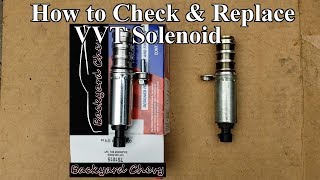
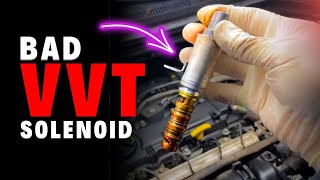
🎬 Watch this breakdown of VVT solenoid symptoms and troubleshooting steps.- Check Engine Light: This is the most common symptom. You'll likely see codes like P0010, P0011, P0013, or P0014.
- Rough Idling: Your engine may shake or feel unstable when you're stopped at a light.
- Poor Engine Performance: The car might feel sluggish, hesitate during acceleration, or lack power.
- Bad Gas Mileage: Because the engine timing is off, you'll burn more fuel than usual.
- Engine Stalling: In more severe cases, the engine can stall, especially at low speeds.
- Rattling Noises: You might hear a ticking or rattling from the top of the engine as the system struggles to get proper oil pressure.
A Note on Engine Oil
The leading cause of VVT solenoid failure is contaminated or old engine oil. Following your Malibu's recommended oil change schedule with the correct type of oil is the best way to prevent this problem from happening in the first place or recurring after a replacement.
Choosing the Right Aftermarket VVT Solenoid

You don't need to pay dealership prices for this part. Aftermarket VVT solenoids offer a wide range of options. Since this is a common failure part, many owners recommend replacing both the intake and exhaust solenoids at the same time, even if only one has failed.
Brand Tiers for Your Malibu
- Premium Aftermarket (ACDelco, Standard Ignition 'Blue Streak'): ACDelco is the original equipment (OE) supplier for GM, so their parts provide the same performance as the factory-installed ones. Many owners and mechanics trust ACDelco for electrical components. Standard Motor Products (SMP) offers a premium 'Blue Streak' line that is also highly regarded. These are your best bet for reliability and fit.
- Reputable Aftermarket (Dorman, Holstein, Walker Products): Brands like Dorman offer a direct replacement that meets original specifications and is a popular, cost-effective choice. However, some forum discussions suggest that for electronic parts like solenoids, sticking closer to OE quality (like ACDelco) is a safer bet to avoid doing the job twice.
- Value-Oriented (URO Parts, various private labels): These are the most budget-friendly options. While they can work, their long-term durability and quality control may not match the higher-tiered brands. They can be a viable option if the budget is the primary concern.
Pro Tip: Intake vs. Exhaust
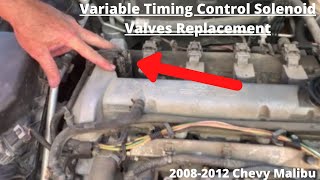
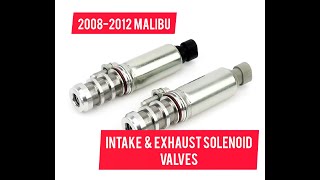
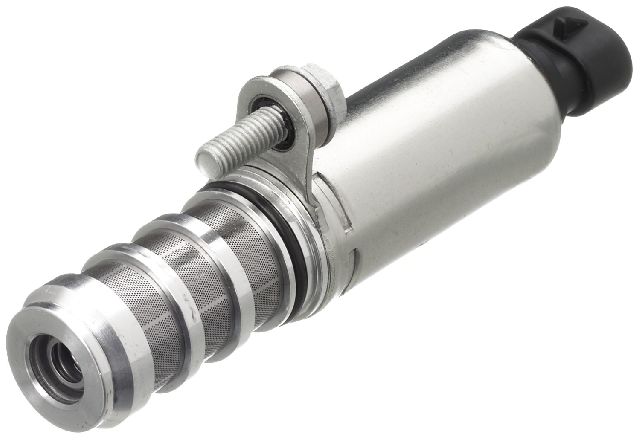
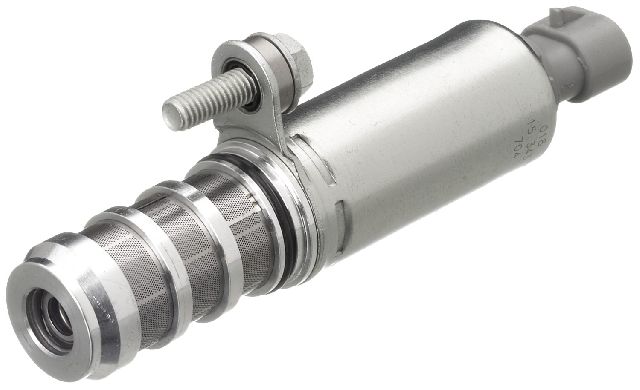
On most 4-cylinder Malibus, the intake and exhaust solenoids are distinct parts. They often have different colored electrical connectors (e.g., gray for intake, black for exhaust) to tell them apart. Always double-check that you are ordering and installing the correct solenoid for the specific code you have 🎬 See how to identify and replace Ecotec intake and exhaust valves. (P0010/P0011 for intake, P0013/P0014 for exhaust).
Known Issues, Recalls, and Service Bulletins

While there are no direct safety recalls for VVT solenoid failure across the entire 2006-2015 range, GM has issued related documents. A special coverage adjustment (N182189940) was issued for some 2014 Malibus with the 2.0L Turbo engine for a condition where a wire in the exhaust VVT solenoid could break, causing a P0013 code, rough idle, and reduced power. This extended the warranty for this specific issue to 10 years or 120,000 miles. Another bulletin (N192289160) for 2014 Malibus with the 2.5L engine noted that when replacing the camshaft cover for a related issue, the VVT solenoids must also be replaced. These documents highlight that GM is aware of solenoid-related issues in this vehicle generation.
Frequently Asked Questions (FAQ)
Can I replace just one VVT solenoid?
Yes, you can replace only the failed solenoid. However, because they are a common failure item and have a similar lifespan, many mechanics and DIYers recommend replacing both the intake and exhaust solenoids at the same time to save yourself from having to do the job again in the near future.
Is this a difficult repair to do myself?
For most Malibu models, especially the 4-cylinder engines, this is a very straightforward DIY repair. The solenoids are located on the top of the engine and are easily accessible after removing the plastic engine cover. The job typically requires only basic hand tools like a socket set and screwdriver, and can be completed in under an hour.
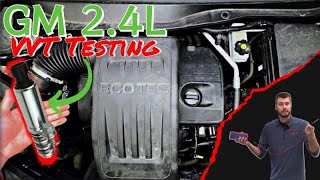
🎬 Follow this step-by-step guide to replacing your Malibu's timing solenoids.Do I need to do an oil change when I replace the solenoids?
It is highly recommended. Since dirty oil is the primary cause of solenoid failure, replacing the solenoids without changing the oil can cause the new parts to fail quickly. Starting with fresh oil and a new filter gives your new solenoids the best chance at a long life.
What's the difference between a VVT solenoid and a camshaft position sensor?
They work together but have different jobs. The camshaft position sensor reads the speed and position of the camshaft and sends that information to the car's computer. The computer then tells the VVT solenoid to adjust oil flow to change the camshaft's timing. A bad camshaft position sensor can sometimes cause similar symptoms, but the diagnostic codes are usually different.
Helpful Videos
Technical Specifications
OEM Part Numbers: 12655420 12655421 12628347 12646783 12679099 12679100
Most 4-cylinder engines use two solenoids: one for the intake camshaft and one for the exhaust. They are not always interchangeable. The intake solenoid is often associated with codes P0010/P0011, and the exhaust with P0013/P0014.
We Have This Part in Stock


The information in this article is provided for general reference and educational purposes only. Vehicle specifications, procedures, and part compatibility can vary by production date, trim level, and region. Always consult your vehicle's factory service manual and verify part numbers before purchasing or performing repairs. Safety-critical components such as airbags, seat belts, and braking systems should be installed by a qualified professional.
- Chevrolet Malibu:
- 🎬 Helpful Videos
- 🛍️ Shop This Part
- Is Your Malibu's VVT Solenoid Failing?
- Common Symptoms of a Bad VVT Solenoid
- A Note on Engine Oil
- Choosing the Right Aftermarket VVT Solenoid
- Brand Tiers for Your Malibu
- Pro Tip: Intake vs. Exhaust
- Known Issues, Recalls, and Service Bulletins
- Frequently Asked Questions (FAQ)
- 🎟️ Get 5% Off