

A Guide to the Mass Air Flow Sensor for the 2006-2015 Ford Mustang
Fixing common stalling, hesitation, and rough idle issues in your S197 Mustang.
- Verify the correct part for your year: 2006-2010 and 2011-2015 Mustangs use different, non-interchangeable sensors.
- Try cleaning the sensor with dedicated MAF cleaner spray before replacing it, as dirt is the most common cause of failure.
- Be careful with oiled air filters; over-oiling is a primary cause of MAF sensor contamination and failure.
- For reliability on a stock vehicle, choose the OEM Motorcraft part or a premium aftermarket brand like Hitachi or Delphi.
Is Your Mustang Running Rough? It Could Be the MAF Sensor.

If your 2006 to 2015 Mustang is hesitating, stalling, or just not running with its usual power, a faulty Mass Air Flow (MAF) sensor is a common suspect. This sensor tells the engine's computer how much air is coming in, which is critical for a smooth-running engine. When it fails, it can cause a variety of frustrating problems.
Common Symptoms of a Failing MAF Sensor

A bad MAF sensor sends incorrect information to the car's computer, leading to the wrong air-fuel mixture. You will likely notice one or more of these signs:
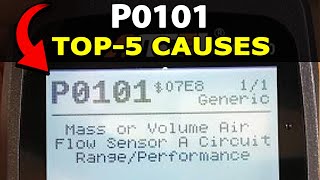
- Check Engine Light: This is often the first warning. The most common trouble code is P0101, which points directly to a MAF sensor performance issue.
- Rough Idle and Stalling: The engine may idle erratically, hunt for a stable RPM, or stall when you come to a stop.
- Hesitation and Jerking: When you step on the gas, the car might stumble, hesitate, or jerk before accelerating smoothly.
- Loss of Power: Your Mustang may feel sluggish and underpowered because the engine isn't getting the right fuel mixture for optimal performance.
- Poor Fuel Economy: An incorrect reading often causes the engine to use more fuel than necessary, so you'll find yourself at the gas pump more often.
- Black Exhaust Smoke: In some cases, black smoke may come from the exhaust, which is a sign that the engine is running too rich (too much fuel).
Pro Tip: Try Cleaning It First
Often, the MAF sensor isn't broken—it's just dirty. Contamination from dust, debris, or oil from an aftermarket air filter can coat the delicate sensor wires. Before buying a new one, try cleaning it with a dedicated MAF sensor cleaner spray. Do not touch the internal wires with your fingers, a brush, or a cotton swab, as they are extremely fragile. If cleaning doesn't solve the problem, it's time for a replacement.
Choosing the Right Aftermarket MAF Sensor

When shopping for a new MAF sensor, you'll find several options. For a daily driven or stock Mustang, sticking with a brand known for quality is your best bet.
Critical Ordering Information: Know Your Year!
The 2006-2015 Mustang generation uses two different MAF sensors. Ordering the wrong one is a common mistake.
- 2006-2010 Mustang (V6 & GT): Uses part number 3L3Z-12B579-BA or an equivalent.
- 2011-2015 Mustang (V6, GT, & GT500): Uses part number BR3Z-12B579-A or an equivalent.
Always double-check the part number and vehicle fitment before purchasing.
Brand Quality Tiers
Not all aftermarket parts are created equal. Here’s a breakdown of what to expect:
- OEM (Motorcraft): This is the original part your Mustang came with. It guarantees perfect fit and function but is usually the most expensive option.
- Premium Aftermarket (e.g., Delphi, Hitachi, NGK): These companies are often original equipment suppliers to many car manufacturers. Their parts are known to be high-quality, reliable alternatives to OEM, often at a slightly lower price.
- Standard Aftermarket (e.g., Spectra, Walker Products, Standard Ignition): These brands offer a balance of affordability and quality. They are a good option for budget-conscious repairs and generally meet or exceed original specifications.
- Performance Brands (e.g., Granatelli): These are designed for highly modified cars, such as those with superchargers or turbochargers. They are not recommended for a stock or lightly modified Mustang, as they often require a custom engine tune to work correctly.
Cost to Replace a Mustang MAF Sensor

| Part Type | Estimated Cost |
|---|---|
| New OEM (Motorcraft) | $115 - $165 |
| New Aftermarket | $43 - $280 |
| Shop Labor | $30 - $75 |
Prices are estimates and can vary based on location and supplier. The replacement is very simple, so DIY is highly recommended to save on labor costs.
Frequently Asked Questions
Is replacing the MAF sensor hard to do myself?
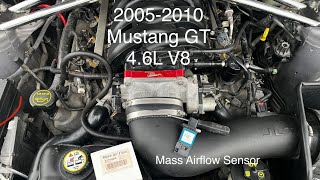
No, this is one of the easiest repairs you can do on your Mustang. The sensor is held in by two Torx screws and has one electrical connector. It's located right on top of the air intake tube. The entire job takes about 10-15 minutes with basic hand tools.
Can an oiled air filter cause the MAF sensor to fail?
Yes, this is a very common cause of failure. If you use an aftermarket oiled air filter (like a K&N), applying too much oil after cleaning can cause the oil to get sucked into the intake and coat the MAF sensor wires. This contamination leads to incorrect readings and eventual failure.
Can I drive my Mustang with a bad MAF sensor?
You can, but it is not recommended for an extended period. The car will likely have poor performance, bad fuel economy, and may stall unexpectedly, which can be a safety hazard in traffic. Driving too long with a bad sensor can also potentially damage other components like your catalytic converters.
What's the real difference between the 2010 and 2011 sensors?
The sensors are physically different and not interchangeable. The 2005-2010 sensor is often a metal-backed design, while the 2011-2014 sensor is a different plastic housing. They also have different electronic calibrations matched to the specific engines and computer systems of those years. Using the wrong one will cause the car to run poorly and will set a Check Engine Light.
Helpful Videos


Technical Specifications
OEM Part Numbers: BR3Z-12B579-A (2011-2015) 3L3Z-12B579-BA (2006-2010)
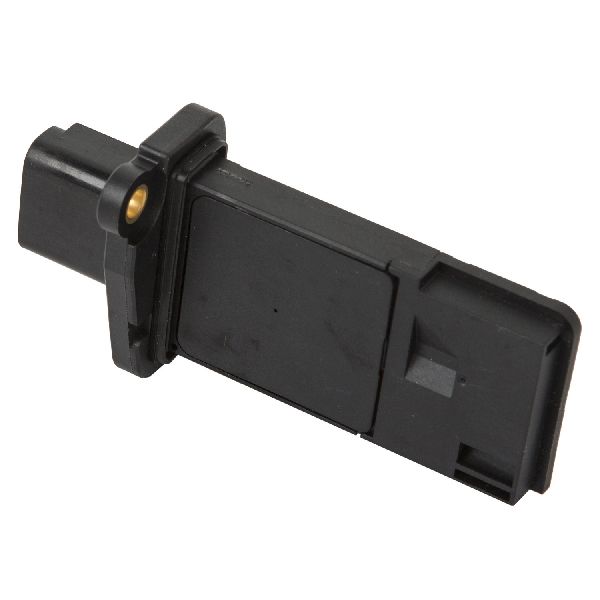
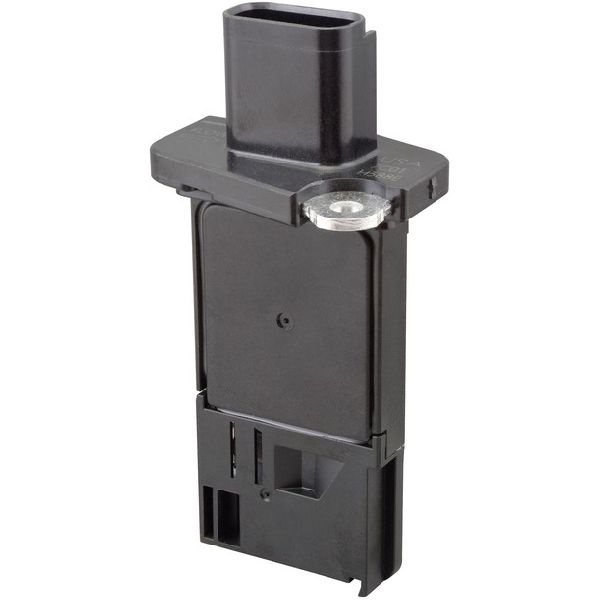
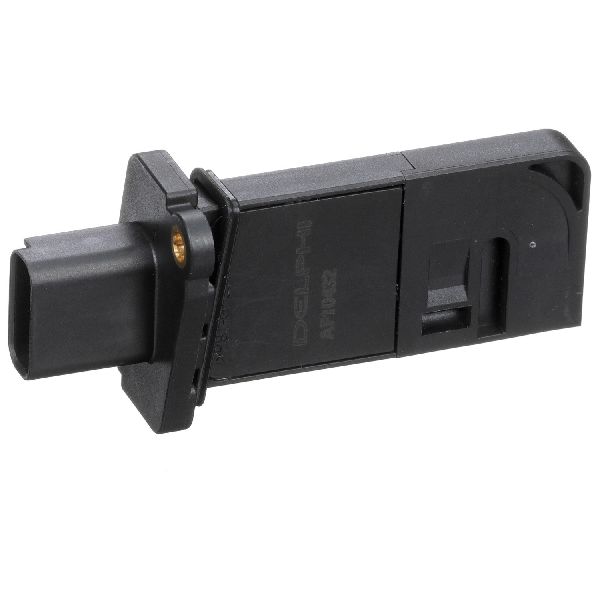
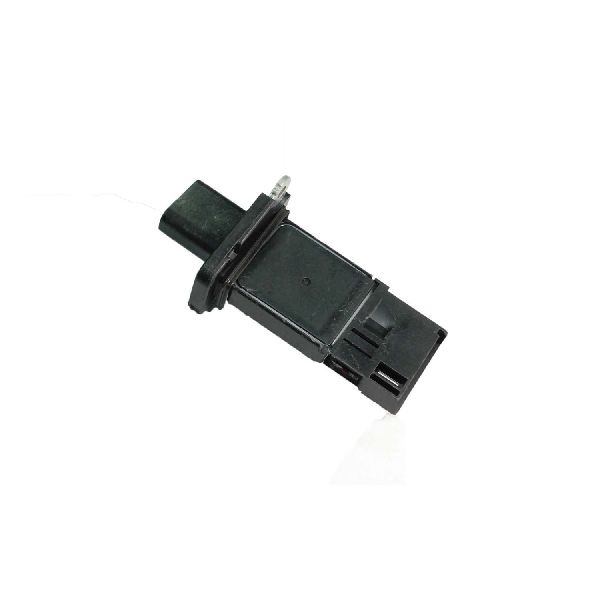
This is a digital slot-style sensor element held into the air intake tube by two Torx screws. It uses a 6-pin electrical connector. There are two distinct versions for this generation: one for 2006-2010 models and another for 2011-2015 models.
We Have This Part in Stock



The information in this article is provided for general reference and educational purposes only. Vehicle specifications, procedures, and part compatibility can vary by production date, trim level, and region. Always consult your vehicle's factory service manual and verify part numbers before purchasing or performing repairs. Safety-critical components such as airbags, seat belts, and braking systems should be installed by a qualified professional.
- Ford Mustang:
- 🎬 Helpful Videos
- 🛍️ Shop This Part
- Is Your Mustang Running Rough? It Could Be the MAF Sensor.
- Common Symptoms of a Failing MAF Sensor
- Pro Tip: Try Cleaning It First
- Choosing the Right Aftermarket MAF Sensor
- Critical Ordering Information: Know Your Year!
- Brand Quality Tiers
- Cost to Replace a Mustang MAF Sensor
- Frequently Asked Questions
- 🎟️ Get 5% Off