

Honda Ridgeline Engine Timing Belt and Component Kit Guide (2006-2015)
Everything you need to know about the most critical service for your Ridgeline's J35 V6 engine.
- Replace your timing belt preventatively at 105,000 miles or 7 years, whichever comes first, to avoid catastrophic engine failure.
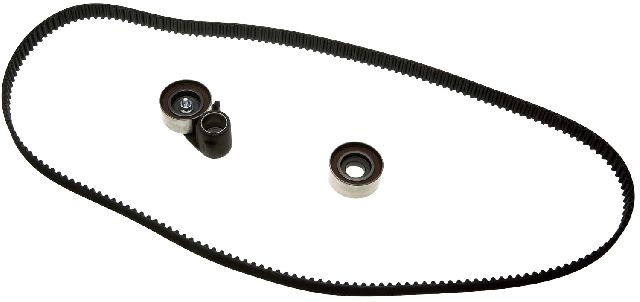
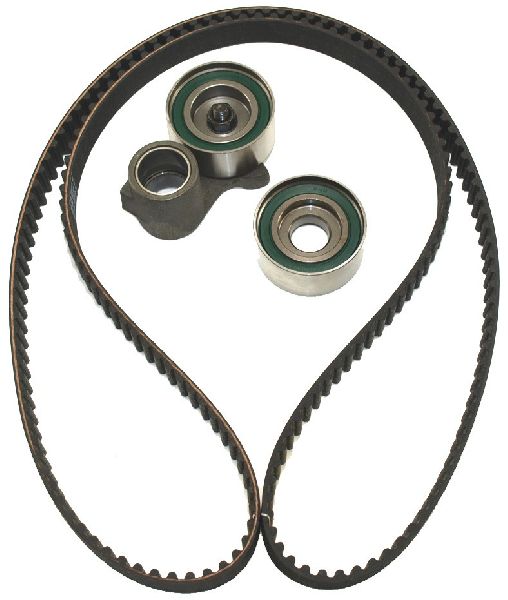
- Always replace the complete timing belt kit, which includes the belt, water pump, hydraulic tensioner, and idler pulleys.
- This is an interference engine; a broken timing belt will cause severe piston and valve damage. Do not drive if you suspect a timing belt issue.
- This is a complex job best left to a professional mechanic due to the high risk of engine damage if done incorrectly.
The Most Important Service for Your Ridgeline's Engine
The 3.5L V6 engine in your 2006-2015 Honda Ridgeline is an 'interference' engine. This means that if the timing belt breaks or slips, the pistons will collide with the open valves. This event causes catastrophic and expensive engine damage, often requiring a complete engine replacement. For this reason, replacing the timing belt and its components at the recommended interval is not just maintenance—it's the most critical job you can do to ensure your Ridgeline's long-term health.
Honda recommends replacing the timing belt every 105,000 miles or 7 years, whichever comes first. If you frequently drive in extreme temperatures (above 110°F or below -20°F) or tow regularly, the interval is shortened to 60,000 miles.
Interference Engine Warning
Never ignore timing belt symptoms or replacement intervals on this engine. A snapped belt will lead to severe, potentially irreversible engine damage. 🎬 Watch what happens when a tensioner fails and bends the valves. If you suspect a problem, do not drive the vehicle.
Choosing the Right Aftermarket Kit
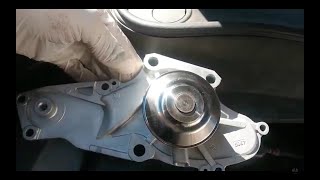
When it's time for a replacement, you must use a complete kit. The job is labor-intensive, so replacing only the belt is a costly mistake. The water pump and tensioner are known wear items, and a failing tensioner is a common cause of belt issues. 🎬 See how a failing tensioner sounds and how to fix it. High-quality aftermarket kits offer a reliable and cost-effective alternative to OEM parts.
- Gates: Gates is a well-regarded brand and is considered an OEM supplier for many Honda belts. Their kits are a popular choice. However, some forum users have noted that components like the water pump in their kits may be sourced from various manufacturers, with some preferring to source an OEM or Aisin water pump separately.
- Cloyes: Cloyes is another established brand that offers complete kits. Their belts are often manufactured by Continental. They are generally considered a reliable choice for timing components.
Pro Tip: What's in a Name?
Many aftermarket kits, including those from top brands like Gates, Aisin, and Cloyes, often use belts made by the same original equipment manufacturers that supply Honda, such as Mitsuboshi and Unitta. The key is to buy a complete kit from a reputable brand to ensure all the components (tensioner, pulleys, water pump) are built to a high standard.
Known Issues, Recalls, and Bulletins
For the 2006-2015 model years, there are no widespread recalls or Technical Service Bulletins (TSBs) for premature timing belt failure. A recall was issued for defective timing belts on some 2019 Honda models, but this does not apply to the first-generation Ridgeline. The most common related failure is the hydraulic timing belt tensioner, which can leak and lose its ability to keep the belt properly tensioned. This is why it is mandatory to replace the tensioner with every belt change.
| Part Type | Price Range |
|---|---|
| New OEM Kit | $625 - $784 |
| New Aftermarket Kit | $83.49 - $150.60 |
| Shop Labor | $478 - $701 |
Frequently Asked Questions (FAQ)
Do I really need to replace the water pump with the timing belt?
Yes, absolutely. The water pump is located behind the timing belt covers and is driven by the belt. It wears out on a similar schedule, and the labor to get to it is the same. Replacing it with the belt is a standard, preventative measure to avoid having to do the entire expensive job again if the pump fails later.
Can I do this job myself?
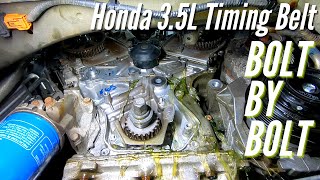
For most home mechanics, this is not a recommended DIY job. It is a complex and lengthy task (5-7 hours) that requires special tools, like a crankshaft pulley holder, and a high level of precision. 🎬 Watch this step-by-step walkthrough of the removal and installation process. Mistakes during installation, such as incorrect timing alignment, can destroy the engine.
What is the hydraulic tensioner and why is it important?
The hydraulic tensioner is a component that uses oil pressure to apply constant, correct tension to the timing belt as it wears and stretches over time. It is a critical wear item. If it fails and loses pressure, the belt can become loose, jump time, and cause catastrophic engine damage. It must be replaced with the belt.
My Ridgeline has low miles but it's over 7 years old. Should I still replace the belt?
Yes. The timing belt is made of a rubber composite that degrades over time due to age, heat, and environmental factors, regardless of mileage. The 7-year interval is just as important as the 105,000-mile mark to prevent the belt from snapping.
Helpful Videos

Technical Specifications
Belt Tooth Count: 197
We Have This Part in Stock

The information in this article is provided for general reference and educational purposes only. Vehicle specifications, procedures, and part compatibility can vary by production date, trim level, and region. Always consult your vehicle's factory service manual and verify part numbers before purchasing or performing repairs. Safety-critical components such as airbags, seat belts, and braking systems should be installed by a qualified professional.
- Honda Ridgeline: