

Lincoln Navigator Engine Temperature Sensor Guide for 2006-2015 Models
Solve erratic temperature gauge readings, poor fuel economy, and cooling fan issues on your Lincoln Navigator.
- You MUST verify if you have the 5.4L V8 (uses a CHT sensor) or the 2015 3.5L V6 (uses an ECT sensor) before buying.
- Symptoms include more than just a faulty gauge; watch for poor MPG, constant fan noise, and rough running.
- Common trouble codes are P0117 (circuit low), P0118 (circuit high), and P1289 (Ford CHT specific).
- Replacement is a manageable DIY task, but access can be tight, especially on the 5.4L V8 engine.
Is It an ECT or CHT Sensor? A Critical Distinction

Before buying a part, you must know which engine your Navigator has. The 2006-2015 year range covers two different engines with two different types of temperature sensors.
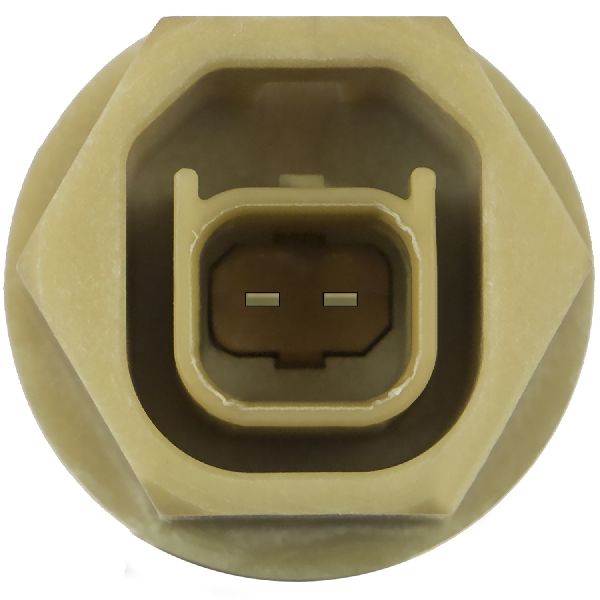
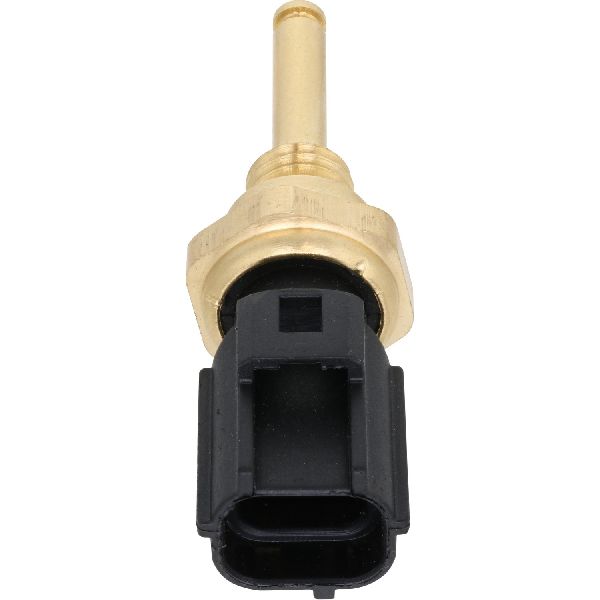
- 2006-2014 Lincoln Navigator (5.4L V8): These models use a Cylinder Head Temperature (CHT) sensor. It screws directly into the cylinder head metal and estimates the coolant temperature. It does not sit in coolant.
- 2015 Lincoln Navigator (3.5L V6 EcoBoost): This model uses a traditional Engine Coolant Temperature (ECT) sensor that is submerged in engine coolant.
Parts are often listed as "Engine Coolant Temperature Sensors" for all years, but you are likely buying a CHT sensor for the 5.4L V8. Verify the part is correct for your specific engine before purchasing.
Symptoms of a Failing Temperature Sensor

When the temperature sensor fails, it sends bad information to the engine's computer. The computer might think the engine is freezing cold when it's hot, or vice-versa. This can cause several noticeable problems:
- Check Engine Light: This is often the first sign. You may see codes like P0117, P0118, P0128, or the Ford-specific P1289. 🎬 See how a mechanic diagnoses and fixes code P1289.
- Erratic Temperature Gauge: The gauge on your dashboard might not move at all, shoot straight to hot, or bounce around unpredictably.
- Cooling Fans Run Constantly: If the computer gets a false 'hot' signal, it will run the cooling fans on high all the time, even when the engine is cold.
- Poor Fuel Economy: A false 'cold' signal makes the computer enrich the fuel mixture, causing the engine to use more gas than needed.
- Black Smoke from Exhaust: A very rich fuel mixture can result in black smoke coming from the tailpipe as unburnt fuel is burned in the exhaust.
- Rough Idle or Stalling: The wrong fuel and timing adjustments can make the engine run poorly, especially at idle.
- Engine Overheating: If the sensor fails to report that the engine is getting hot, the cooling fans may not turn on when needed, leading to overheating.
Choosing the Right Aftermarket Sensor

For a critical component like an engine temperature sensor, quality matters. While OEM from the dealer (Motorcraft) is an option, several aftermarket brands offer a good balance of price and reliability. Cheap, low-quality sensors are known to fail quickly or provide inaccurate readings right out of the box.
Here’s a breakdown of the available brands:
- Premium Quality (Closer to OEM): Delphi is a well-respected brand that often manufactures original equipment parts for many automakers. They are a top choice for fit and long-term reliability.
- Quality Aftermarket: Standard Ignition (SMP) and Four Seasons are established brands that produce reliable replacement parts. They are a solid choice for a dependable repair without the OEM price tag.
- Economy Options: Brands like Holstein and Global Parts are typically more budget-friendly. They can be a viable option, but be aware that for sensitive electronics, paying a little more for a premium brand can prevent you from having to do the job twice.
Pro Tip: Given the sensor's importance for engine management and the relatively low cost of the part, opting for a premium or quality aftermarket brand like Delphi or Standard Ignition is a smart investment for your Navigator.
Cost of Replacing the Engine Temperature Sensor
| Part/Service | Estimated Cost |
|---|---|
| New OEM (Motorcraft) Sensor | $50 - $120 |
| New Aftermarket Sensor | $22 - $82 |
| Shop Labor | $95 - $250 |
| Total Professional Replacement | $117 - $370 |
Frequently Asked Questions

Where is the temperature sensor on a 2006-2014 Navigator (5.4L V8)?
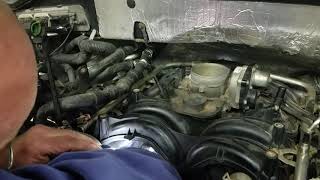
The Cylinder Head Temperature (CHT) sensor is located on the driver's side cylinder head, underneath the intake manifold toward the front of the engine. Access is tight, but it can often be replaced using a 19mm flex-head wrench without removing the entire intake manifold.
🎬 Watch this walkthrough for replacing the 5.4L CHT sensor.Where is the temperature sensor on a 2015 Navigator (3.5L V6)?
The Engine Coolant Temperature (ECT) sensor is located on the rear of the engine on the passenger side, near the transmission bellhousing. 🎬 Watch this video to locate the sensor on 3.5L engines. It may be under the high-pressure fuel pump, making access more challenging.
Can I replace this sensor myself?
Yes, this is a DIY-friendly job for someone with basic mechanical skills and tools. The main challenge is accessing the sensor's location. For the 5.4L V8, a flex-head wrench is highly recommended. For either engine, ensure it is completely cool before starting to avoid burns.
What happens if I don't replace a bad temperature sensor?
Ignoring a bad sensor can lead to persistent problems. You will suffer from poor fuel economy, fail emissions tests, and experience poor engine performance. In a worst-case scenario, the engine could overheat without warning, potentially causing severe and expensive engine damage.
Are there any recalls for this part on my Navigator?
No. Searches of the National Highway Traffic Safety Administration (NHTSA) database did not find any recalls or specific technical service bulletins (TSBs) for the engine temperature sensor on the 2006-2015 Lincoln Navigator.
Helpful Videos




Technical Specifications
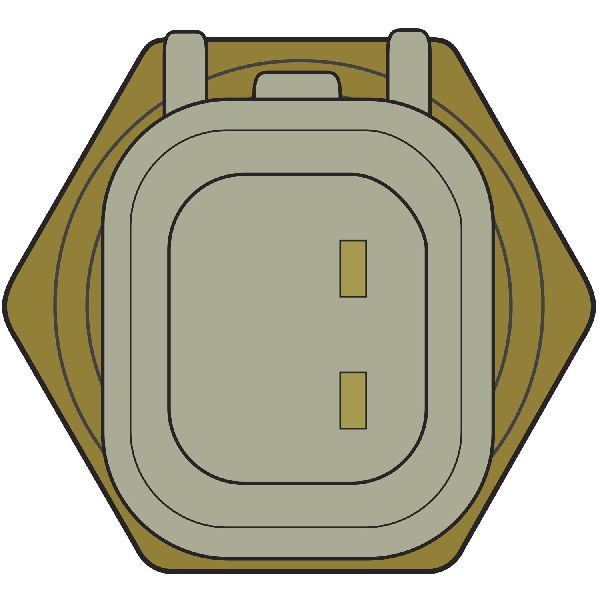
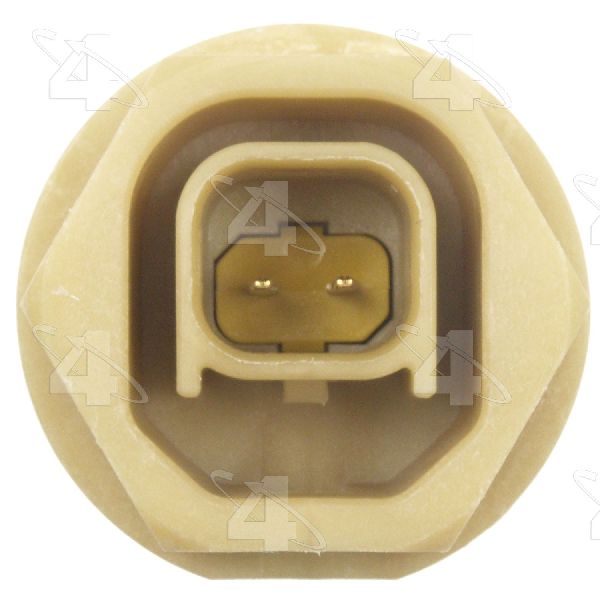
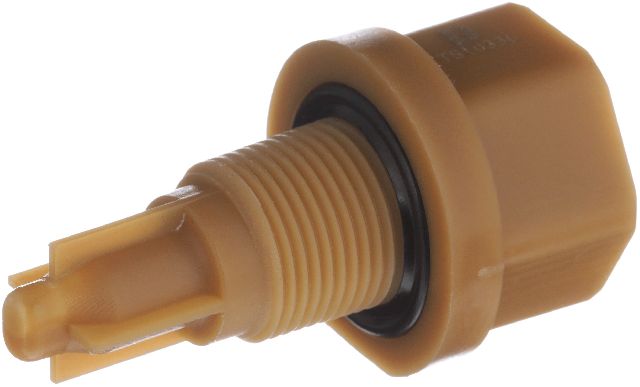
For 2006-2014 models with the 5.4L V8, the correct part is a Cylinder Head Temperature (CHT) sensor. For the 2015 model with the 3.5L V6, the part is an Engine Coolant Temperature (ECT) sensor.
We Have This Part in Stock


The information in this article is provided for general reference and educational purposes only. Vehicle specifications, procedures, and part compatibility can vary by production date, trim level, and region. Always consult your vehicle's factory service manual and verify part numbers before purchasing or performing repairs. Safety-critical components such as airbags, seat belts, and braking systems should be installed by a qualified professional.
- Lincoln Navigator: