

A Guide to Replacing the Catalytic Converter on Your 2006-2015 Mazda 5
Is your Mazda 5 feeling sluggish or showing a check engine light? Your catalytic converter might be the problem.
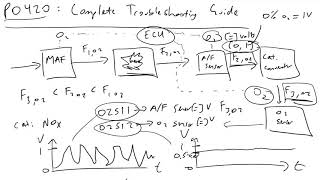
- A P0420 code is the most common sign of failure, but you must diagnose the root cause (like bad O2 sensors or engine misfires) before replacing the converter.
- For the 2006 model year, be aware of the exhaust system fire recall (NHTSA ID: 05V412000) and ensure all recall work has been done.
- Premium aftermarket brands like MagnaFlow and Walker are recommended for better longevity over budget brands.
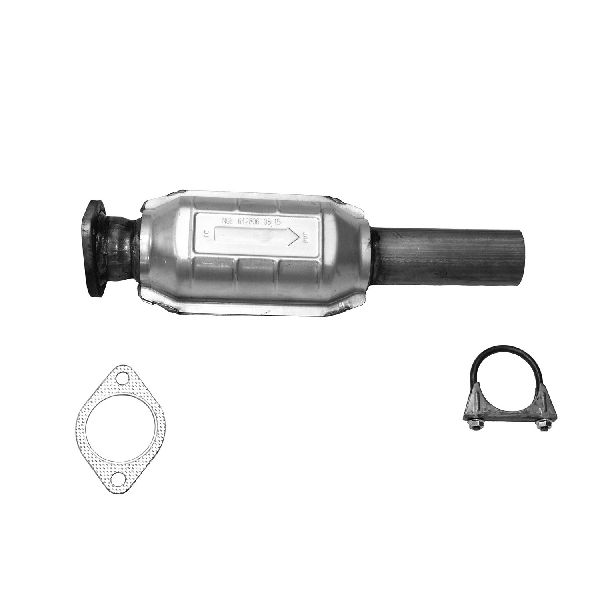
- Always buy a 'Direct-Fit' converter for your Mazda 5 to avoid welding and ensure an easier installation.
Is Your Mazda 5 Catalytic Converter Failing?
When a catalytic converter starts to go bad, your car will give you several warning signs. Ignoring them can lead to more serious engine problems and guaranteed failure of your state's emissions test. The most common sign is the check engine light appearing on your dashboard, often with the diagnostic trouble code P0420.
Common Symptoms of a Bad Converter:
- Sluggish Performance: The car may feel weak, hesitate, or struggle to accelerate because a clogged converter is choking the engine.
- Rotten Egg Smell: A strong smell of sulfur from the exhaust is a classic sign that the converter isn't cleaning the gases properly.
- Rattling Noises: If you hear a rattling sound from under the car, it could be the converter's internal ceramic honeycomb breaking apart.
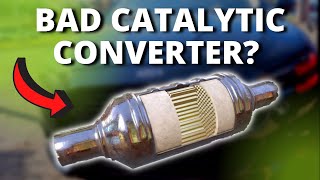
- Worse Gas Mileage: Your engine has to work harder to push exhaust through a blockage, causing it to burn more fuel. 🎬 See a visual breakdown of common bad catalytic converter symptoms.
Important: Diagnose Before You Replace
A P0420 code doesn't always mean the converter is bad. The failure is often a symptom of another problem. Engine misfires, leaking fuel injectors, or bad oxygen sensors can send unburned fuel into the exhaust, which overheats and destroys the converter. If you don't fix the root cause, your new converter will fail quickly, too.
Known Issues for the 2006-2015 Mazda 5
While there are no direct recalls for the catalytic converter itself across all years, there are some important factory notices to be aware of:
- 2006 Model Exhaust Fire Recall: Early production 2006 Mazda 5 models (made between April and September 2005) were recalled for an issue where excessive exhaust heat could cause a fire (NHTSA ID: 05V412000). This highlights the importance of a properly functioning exhaust system on these specific vehicles.
- TSB for Sulfur Smell: Mazda issued a Technical Service Bulletin (TSB 01-016/18) acknowledging that a 'rotten egg' smell can be caused by high-sulfur gasoline and may not indicate a failed part. The bulletin suggests trying a different brand of fuel before replacing the converter.
Choosing the Right Aftermarket Converter
When shopping for a new catalytic converter, you'll find Original Equipment (OEM) parts and many aftermarket options. OEM parts offer the best quality and longevity but are very expensive. Aftermarket parts provide significant savings, but the quality can vary between brands.
Aftermarket Brand Tiers for Mazda 5
For your Mazda 5, aftermarket converters can be grouped into a few quality tiers based on mechanic feedback and owner experiences.
- Tier 1 (Premium Aftermarket): Brands like MagnaFlow and Walker Exhaust are highly trusted by mechanics for their quality construction and reliability. They use durable materials and are designed to fit correctly and keep the check engine light off. MagnaFlow is often seen as a performance-oriented choice, while Walker is a solid OE-quality alternative.
- Tier 2 (Economy): Brands like AP Exhaust and Eastern Catalytic are more budget-friendly. While they can be a good value for an older vehicle, some users report that the fit might not be perfect, requiring adjustments during installation. Their long-term durability can also be a concern, with some owners needing another replacement sooner than expected.
Direct-Fit vs. Universal Fit
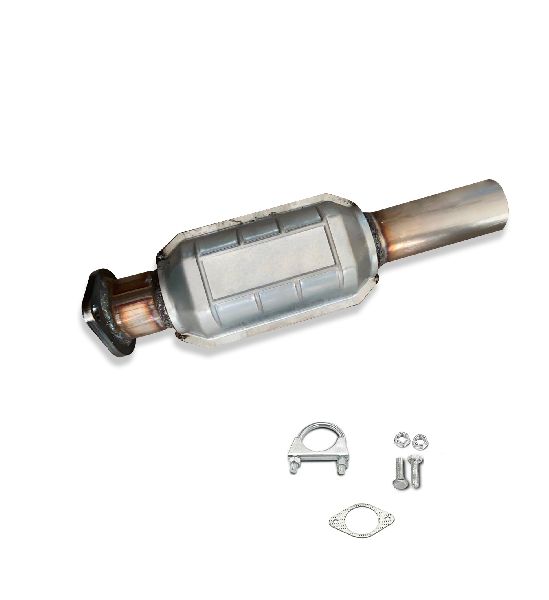
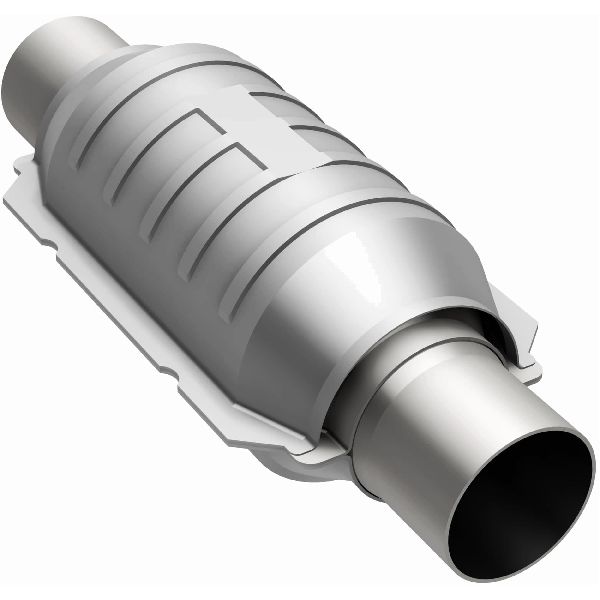
Most converters available for the Mazda 5 are Direct-Fit. This means they are designed to bolt directly into your vehicle's exhaust system without any cutting or welding, making installation much simpler for both DIYers and professional shops. A Universal-Fit converter is cheaper but requires welding, which adds to labor costs.
Cost of Replacing a Mazda 5 Catalytic Converter
| Part Type | Estimated Cost |
|---|---|
| New Aftermarket Part | $140 - $346 |
| New OEM Part | $500 - $1,100+ |
| Shop Labor | $300 - $435 |
| Total Aftermarket Replacement | $440 - $781 |
Frequently Asked Questions
Why are some aftermarket converters so much cheaper than others?
The cost difference is mainly due to the amount of precious metals used inside. Cheaper converters use a thinner coating of these metals, which may be enough to pass an emissions test initially but may not last as long, causing the check engine light to return within a year or two. Premium brands like MagnaFlow and Walker use a heavier load of these metals for longer life.
Do I need a special converter for California or New York?
Yes. States like California, New York, Colorado, and Maine have stricter emissions laws and require a CARB-compliant catalytic converter. Federal EPA-certified converters are not legal for sale or use in these states. Always check your state's regulations and ensure the part you are buying is compliant.
Can I clean my old catalytic converter?
While some fuel additives claim to clean converters, they are not a reliable fix for a converter that is physically damaged or internally melted. If the internal structure has broken apart (causing a rattle) or is clogged from overheating, the only solution is a full replacement.
How difficult is it to replace the converter myself?
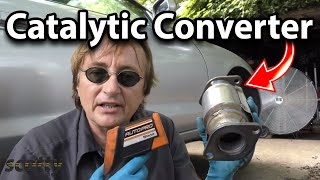
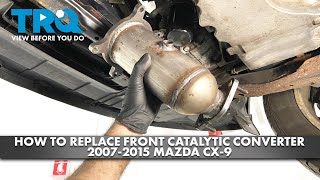
For a direct-fit converter, the job involves unbolting the old unit and bolting in the new one. However, the bolts are often extremely rusted and difficult to remove. It requires proper tools, safety stands, and penetrating oil. If the bolts break, you may need to drill them out. 🎬 Watch this walkthrough on how to replace a catalytic converter. It is a moderately difficult job for an experienced DIYer.
Helpful Videos
Technical Specifications
OEM Part Numbers: L572-20-55X LFZ3-20-55XC LFZ3-20-55XB LFZ3-20-55X LF29-20-55XC LF28-20-55X
The Mazda 5 uses a direct-fit catalytic converter. For 2006-2010 models, it is typically for the 2.3L engine. For 2012-2015 models, it is for the 2.5L engine. Most aftermarket options are made of steel or stainless steel with a ceramic internal substrate.
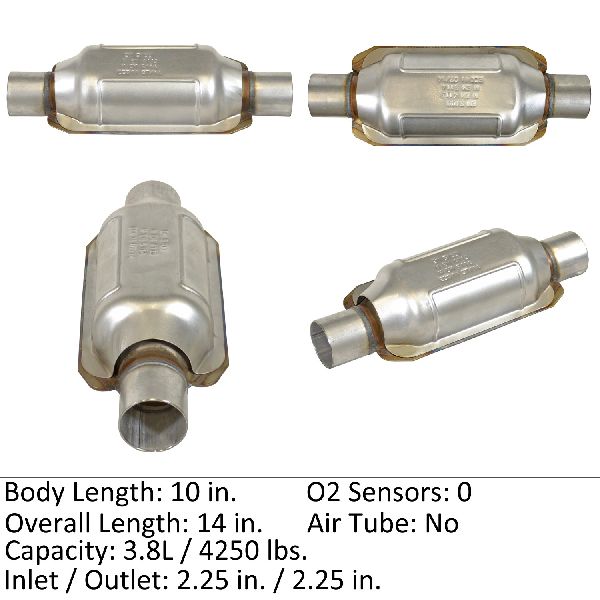
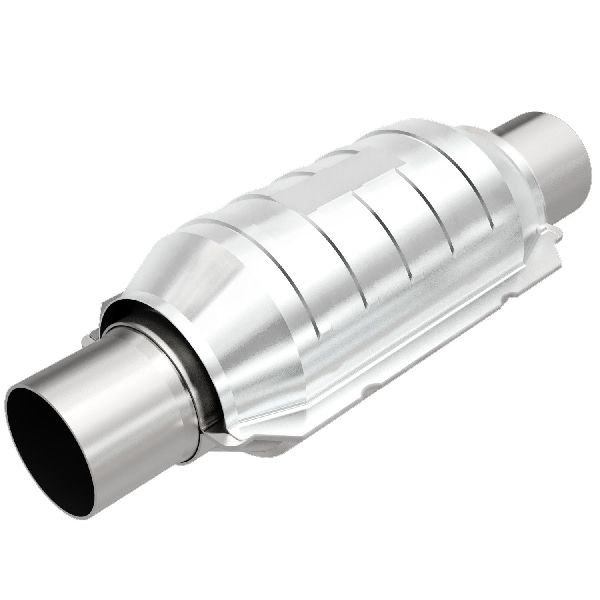
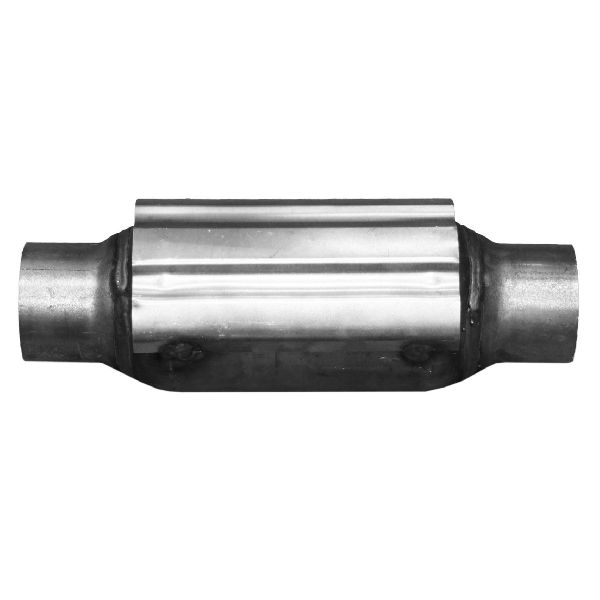
We Have This Part in Stock

The information in this article is provided for general reference and educational purposes only. Vehicle specifications, procedures, and part compatibility can vary by production date, trim level, and region. Always consult your vehicle's factory service manual and verify part numbers before purchasing or performing repairs. Safety-critical components such as airbags, seat belts, and braking systems should be installed by a qualified professional.
- Mazda 5:
- 🎬 Helpful Videos
- 🛍️ Shop This Part
- Is Your Mazda 5 Catalytic Converter Failing?
- Common Symptoms of a Bad Converter:
- Important: Diagnose Before You Replace
- Known Issues for the 2006-2015 Mazda 5
- Choosing the Right Aftermarket Converter
- Aftermarket Brand Tiers for Mazda 5
- Direct-Fit vs. Universal Fit
- Cost of Replacing a Mazda 5 Catalytic Converter
- Frequently Asked Questions
- 🎟️ Get 5% Off