

Volkswagen GTI Oxygen Sensor Guide for 2006-2015 Models
Keep your GTI's engine running smoothly and efficiently by understanding its oxygen sensors.
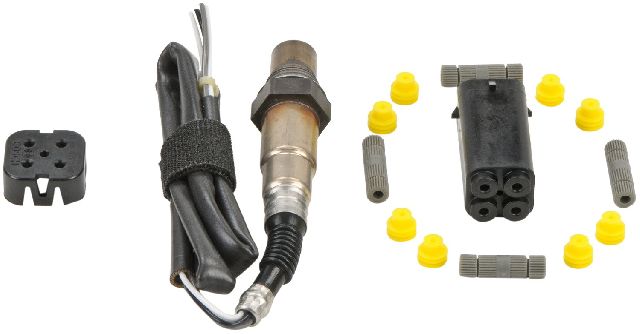
- Bosch is the OEM supplier for VW; their aftermarket sensors are a top-tier choice for your GTI.
- Confirm if you need an upstream (pre-cat) or downstream (post-cat) sensor before buying.
- A bad oxygen sensor will cause a check engine light and lead to a failed emissions test.
- Avoid universal sensors that require wire splicing; use direct-fit parts for a reliable connection.
Understanding Your GTI's Oxygen Sensors

The oxygen sensors in your 2006-2015 VW GTI are essential for engine health. They ensure the engine's computer gets the right information to maintain the perfect air-fuel balance. Over time, these sensors wear out from constant exposure to hot exhaust gases and can cause noticeable problems. Replacing a failing sensor is key to preventing reduced fuel economy, failed emissions tests, and potential damage to your catalytic converter.
Upstream vs. Downstream Sensors
Your GTI has at least two oxygen sensors, and it's important to know which one you need to replace:
- Upstream Sensor (Front/Pre-Cat): This sensor is located before the catalytic converter, often near the turbocharger. It is the primary sensor used for adjusting the air-fuel mixture.
- Downstream Sensor (Rear/Post-Cat): Located after the catalytic converter, this sensor's main job is to monitor the converter's efficiency. It checks if the converter is properly reducing harmful emissions.
Pro Tip: The 2.0T engine in some GTIs (CBFA engine code) has a third oxygen sensor, so it's crucial to correctly identify your engine type and the specific sensor location that needs replacement. Diagnostic trouble codes from a code scanner will point you to the correct sensor (e.g., Bank 1 Sensor 1 is upstream, Bank 1 Sensor 2 is downstream).
Choosing the Right Aftermarket Oxygen Sensor

When shopping for a replacement, you'll find a wide range of brands. For a German car like the GTI, sticking with the original equipment manufacturer (OEM) or equivalent brands is highly recommended for best performance and longevity.
Brand Quality Tiers for VW GTI
- Tier 1: OEM & OEM-Equivalent (Recommended): Bosch is the original equipment supplier for Volkswagen. Choosing a Bosch aftermarket sensor is essentially getting the same part that came with your car from the factory, ensuring perfect fit and function. NGK (also sold as NTK) and Denso are also top-tier, highly respected brands that meet or exceed OEM specifications and are excellent choices.
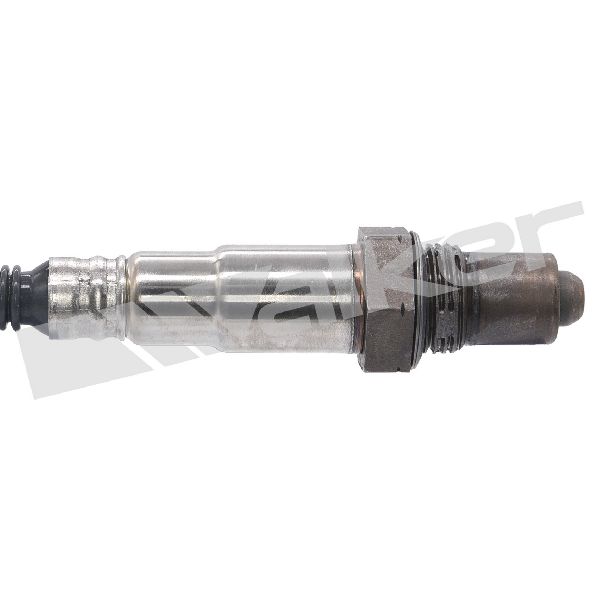
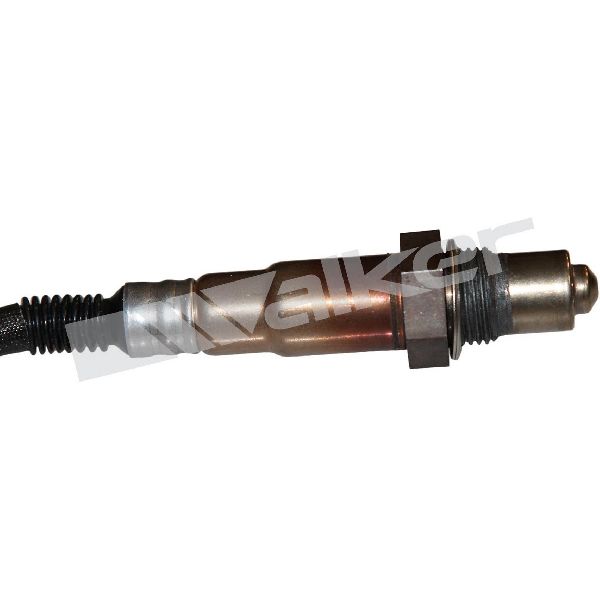
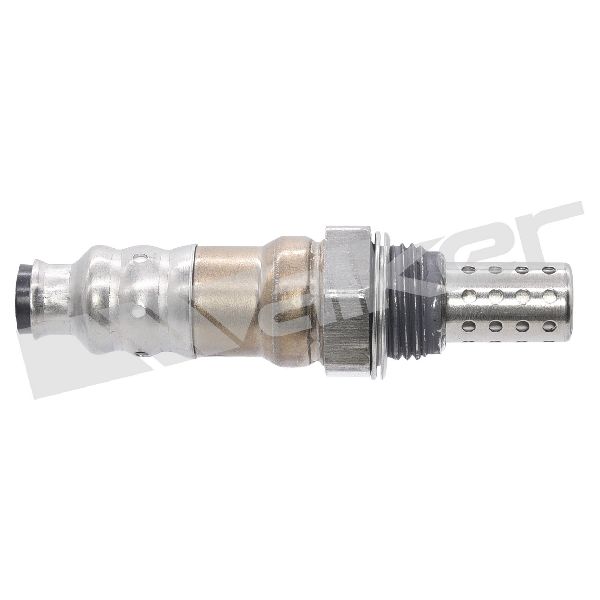
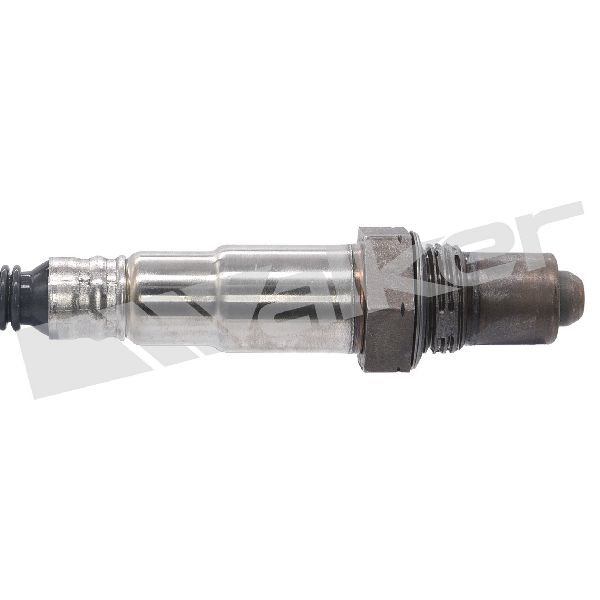
- Tier 2: Quality Aftermarket: Brands like Delphi and Walker Products offer reliable sensors that are a good balance of quality and price. They are a solid choice if an OEM-equivalent brand is not available.
- Tier 3: Economy Brands: Brands such as DriveWire, Facet, Spectra, and Vemo are budget-friendly options. While they will function, they may not offer the same precision or lifespan as higher-tier brands. Cheaper sensors can sometimes lead to persistent check engine lights or premature failure.
A Note on Universal Sensors
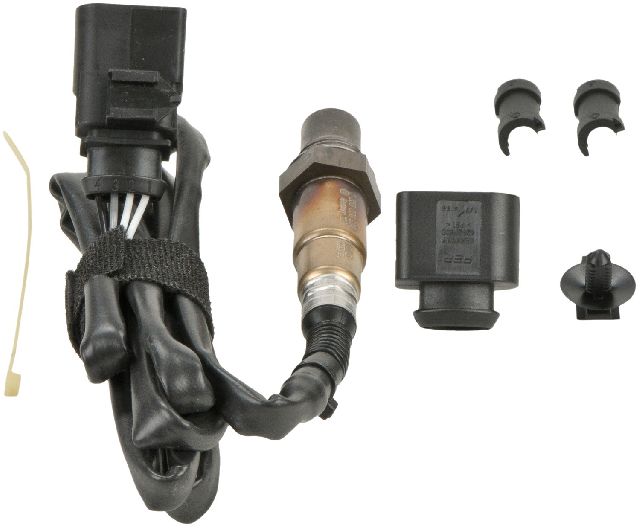
You may find "universal" oxygen sensors that require you to cut and splice wires. While cheaper, these are not recommended for your GTI. The factory-style connectors on direct-fit sensors from brands like Bosch ensure a secure, weather-proof connection that prevents signal issues.
Known Issues, Recalls, and TSBs
While there are no widespread recalls specifically for oxygen sensor failure on the 2006-2015 GTI, a failing sensor is a common maintenance item. Sometimes, an O2 sensor code can be a symptom of another problem, like a vacuum leak, a bad PCV valve, or an issue with the wiring harness. It's always a good idea to ensure the rest of the engine is in good health. A recall (NHTSA 24V110) was issued for some 2015 GTI models for a fuel tank suction pump, which could cause a fuel smell or refueling issues, but this is unrelated to the O2 sensors themselves.
| Part Type | Estimated Cost |
|---|---|
| New OEM | $150 - $250+ |
| New Aftermarket | $30 - $185 |
| Shop Labor | $80 - $150 |
Frequently Asked Questions

How many oxygen sensors does my 2006-2015 GTI have?
Most Mk5 and Mk6 GTIs (with FSI, TSI, and CCTA engines) have two sensors: one upstream and one downstream. However, models with the CBFA engine code have three sensors. Always verify your specific engine type before ordering.
Can I replace just one oxygen sensor?
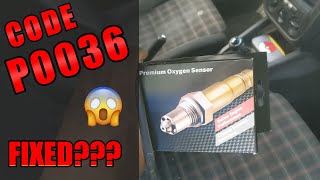
Yes. You only need to replace the sensor that has failed. A diagnostic scan tool will provide a trouble code (like P0036) that points to the specific sensor and its location.
Do I need a special tool for replacement?
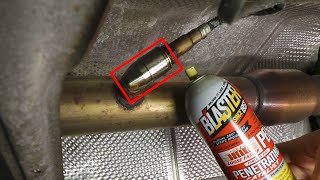
Yes, an oxygen sensor socket is highly recommended. It's a special socket with a slot cut out for the wire. You will also likely need a 22mm wrench, a ratchet, and penetrating oil to loosen the old sensor, which can be seized in the exhaust pipe.
Can I clean my oxygen sensor instead of replacing it?
While some attempt to clean O2 sensors, it is not a reliable or long-term solution. The sensing elements become contaminated and worn internally over time. Replacement is the only guaranteed fix for a failed sensor.
Helpful Videos



Technical Specifications
OEM Part Numbers: 06K906262CE 03L906262B 037906265G 06K906262CS 06K906265C
Your GTI uses heated, 4-wire oxygen sensors. The upstream sensor is a wide-band type, while the downstream is typically a narrow-band. A 22mm wrench or a specialized O2 sensor socket is required for removal and installation.
We Have This Part in Stock

The information in this article is provided for general reference and educational purposes only. Vehicle specifications, procedures, and part compatibility can vary by production date, trim level, and region. Always consult your vehicle's factory service manual and verify part numbers before purchasing or performing repairs. Safety-critical components such as airbags, seat belts, and braking systems should be installed by a qualified professional.
- Volkswagen GTI: