

A Honda Mechanic's Guide to the 2006-2016 Civic Engine Torque Strut Mount
Feeling a clunk or vibration in your Civic? Your engine torque strut mount might be the reason.
- A clunking noise when shifting and new vibrations at idle are the most common symptoms of a bad torque strut mount.
- For 2006-2011 Civics, inspect the main passenger-side engine mount at the same time, as its failure is common and causes the torque strut to wear out faster.
- OEM mounts provide the best performance and longevity, but Beck Arnley is a trusted aftermarket alternative if you're on a budget.
- This is a DIY-friendly repair that can be completed in about an hour with basic tools.
Is Your Civic's Engine Mount Failing? Common Symptoms

A bad torque strut mount usually makes itself known with new noises and vibrations. Because it's designed to control engine movement, you'll notice the symptoms most when the engine is under load, like when you're accelerating or shifting.
- Clunking or Banging Noises: The most common sign is a distinct "clunk" or "bang" when you shift from Park into Drive or Reverse. You might also hear it when you accelerate hard or let off the gas suddenly.
- Excessive Vibrations: You may feel a new, rough vibration through the steering wheel, floor, or seats, especially when the car is idling at a stoplight. This happens because the worn-out rubber can no longer absorb the engine's vibrations.
- Visible Engine Movement: If you have a friend safely watch the engine (with the hood up, car in Park, and parking brake on) while you briefly rev it, you might see the engine lurch or rock more than it should.
A Note on 8th Gen (2006-2011) Civics
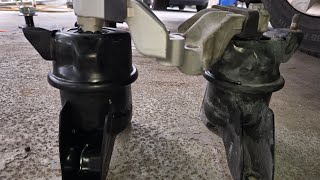
The passenger-side hydraulic engine mount is a very common failure point on 2006-2011 Civics. When this mount fails, it puts extra stress on all the other mounts, including the lower torque strut. If you have an 8th Gen Civic, it's a good idea to inspect both mounts at the same time. Replacing a bad torque strut without addressing a collapsed passenger mount will cause the new part to fail quickly.
Choosing the Right Aftermarket Part: OEM vs. Aftermarket

When it comes to Honda engine mounts, there is a noticeable difference in quality between Original Equipment Manufacturer (OEM) parts and many aftermarket brands. OEM mounts use higher-quality rubber that is better at absorbing vibrations and lasts longer. However, they are also much more expensive. Here’s a breakdown of the aftermarket brands available:
- Tier 1 (Good): Beck Arnley
Often considered the best aftermarket choice. Beck Arnley is known for sourcing parts from the same factories that make the original Honda parts. You might even open a Beck Arnley box and find the OEM part inside. This brand offers a good balance of quality and price, though it's usually the most expensive aftermarket option. - Tier 2 (Economy): Anchor, DEA, Westar, Pioneer
These brands are budget-friendly. However, many owners and mechanics report that they use harder rubber, which can cause more cabin vibration than the original part. There are also reports of premature failure, sometimes in less than a year. These parts may be an option if you are on a tight budget or don't plan to keep the car for much longer, but be aware you may be sacrificing ride comfort and longevity.
Pro Tip: If you can afford it, OEM is the best choice for a smooth, quiet ride that lasts. If you're going with an aftermarket part, Beck Arnley is the most trusted option in the Honda community.
Cost to Replace a Civic Torque Strut Mount

Here is a general idea of what you can expect to pay. Prices can vary based on your location and specific vehicle model.
| Part Type | Estimated Part Cost |
|---|---|
| New Aftermarket | $35 - $90 |
| New OEM | $75 - $210 |
| Shop Labor | $75 - $200 |
Frequently Asked Questions

Is it hard to replace a Civic torque strut mount myself?
No, this is a relatively easy job for a DIYer with basic tools. It typically involves removing three bolts with a 17mm socket and breaker bar. You should always use jack stands for safety and a torque wrench to tighten the new bolts to the correct specification. The job can usually be done in under an hour.
What are the torque specs for the engine torque strut mount bolts?
For the 2006-2011 Civic, the two smaller bolts are torqued to 47 ft-lbs, and the larger bolt is torqued to 69 ft-lbs. For the 2012-2015 Civic, the two smaller bolts are 54 ft-lbs, and the larger bolt is 69 ft-lbs. Always verify the specs for your specific year and model.
Are there any recalls for this part?
No, there are no active recalls from Honda or NHTSA for the engine torque strut mount on 2006-2016 Civics. However, the failure of the main passenger-side engine mount is a widely known issue on the 2006-2011 models.
Will a new aftermarket mount feel different than the original?
It might. Cheaper aftermarket mounts often use a harder rubber compound than the OEM part. This can lead to a slight increase in vibration felt inside the car, especially at idle. Higher-quality aftermarket parts like Beck Arnley are designed to be closer to the original feel.
Helpful Videos
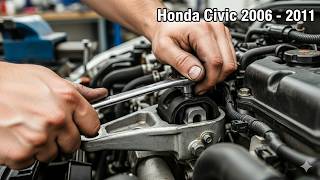
![How To Replace The Side Motor Mount On A 8th Gen Honda Civic [ No More Rattle Noise ]](https://img.youtube.com/vi/R2CYmxFQvR4/mqdefault.jpg)
Technical Specifications
OEM Part Numbers: 50890-SNA-A82 50890-SNA-A81 50890-TR0-A81
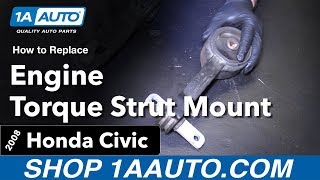
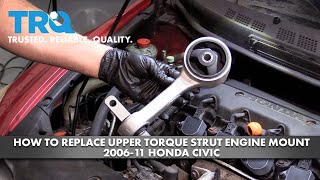
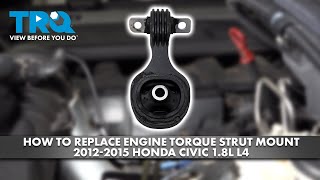
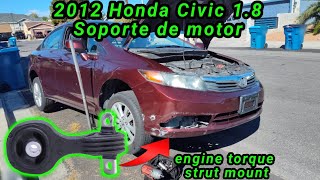
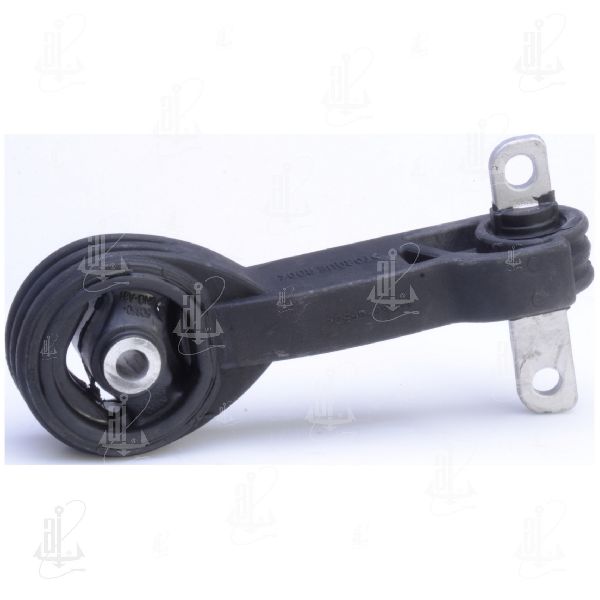
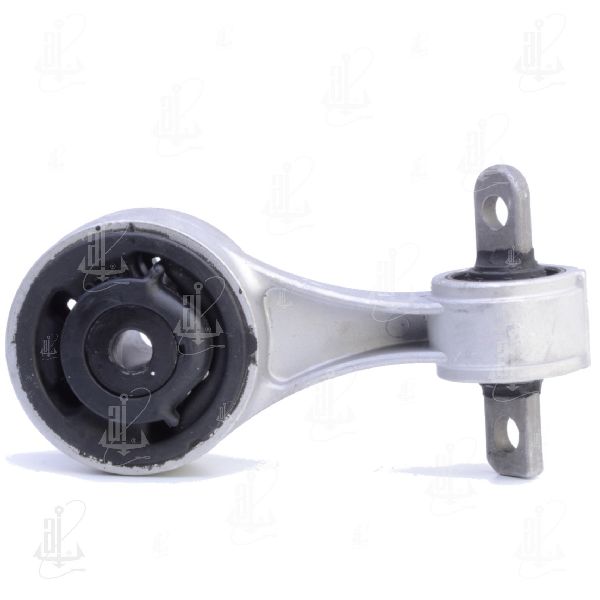
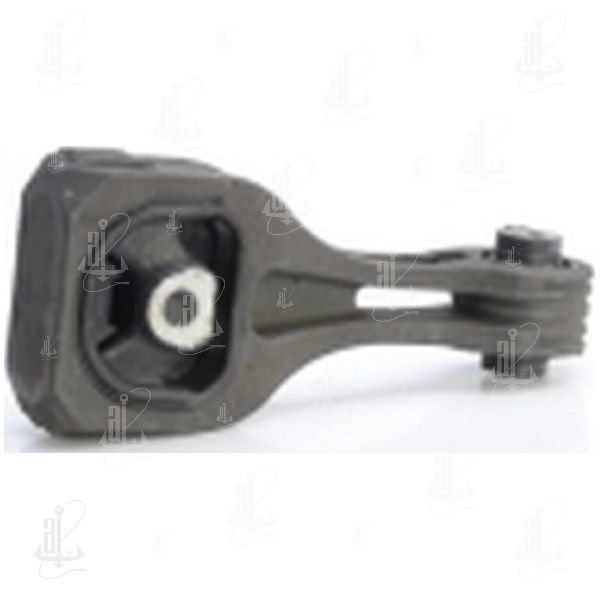
The torque strut mount is a dog-bone shaped link made of metal with rubber bushings at each end. It connects the lower part of the engine/transmission assembly to the front subframe. The bolts are typically 17mm.
We Have This Part in Stock
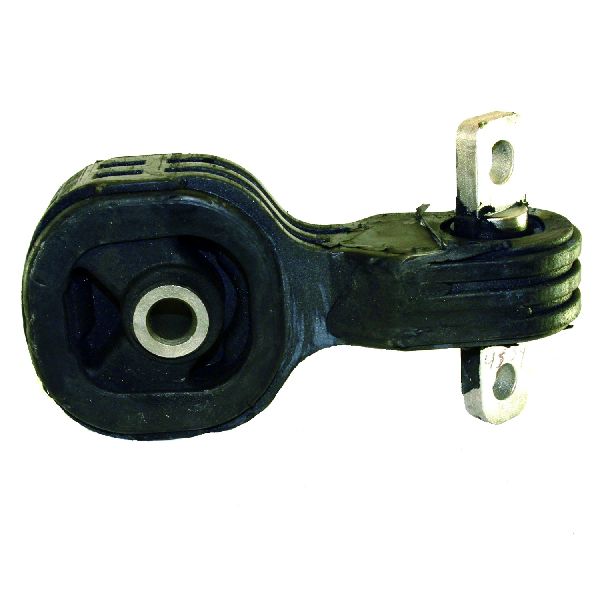
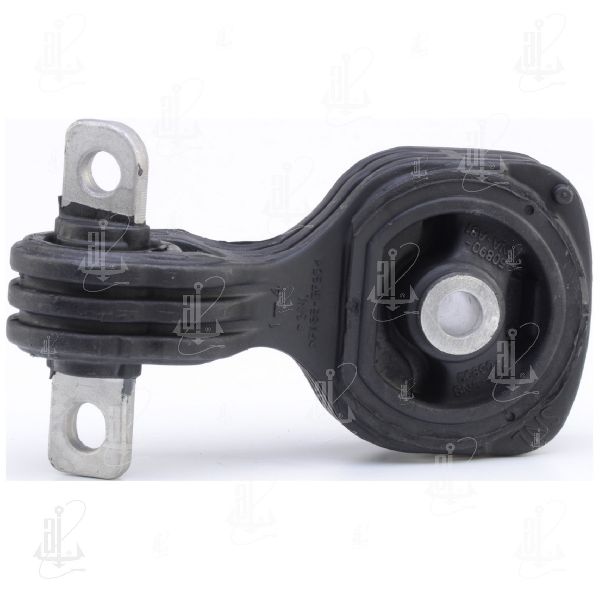
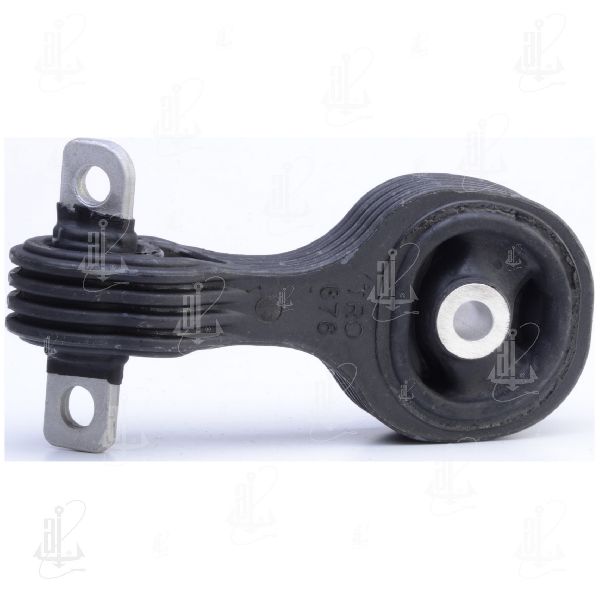

The information in this article is provided for general reference and educational purposes only. Vehicle specifications, procedures, and part compatibility can vary by production date, trim level, and region. Always consult your vehicle's factory service manual and verify part numbers before purchasing or performing repairs. Safety-critical components such as airbags, seat belts, and braking systems should be installed by a qualified professional.
- Honda Civic: