

A Comprehensive Guide to the 2006-2016 Mercedes-Benz E350 Mass Air Flow Sensor
If your E350 is running rough, hesitating, or getting poor gas mileage, a faulty Mass Air Flow sensor could be the reason.
- A faulty MAF sensor will cause a Check Engine Light with codes like P0101, rough idle, hesitation, and poor fuel economy.
- For a sensitive electronic part on a Mercedes, it is strongly recommended to use an OEM supplier brand like Bosch to avoid further issues.
- Replacement is a simple DIY task that takes less than 30 minutes and requires only basic hand tools.
- Before replacing, always try cleaning the sensor with a dedicated MAF cleaner, as this can often solve the problem.
Is Your E350 Experiencing Engine Problems?

A failing Mass Air Flow (MAF) sensor is a common issue on the 2006-2016 Mercedes-Benz E350, covering both the W211 and W212 chassis. When this sensor sends incorrect data, it can cause a wide range of drivability problems, from annoying hesitations to a check engine light that won't go away. Understanding the symptoms and knowing which replacement part to choose is key to getting your Mercedes running smoothly again.
Symptoms of a Failing MAF Sensor

A bad MAF sensor can mimic other engine problems, but there are several common signs to watch for. The most obvious is an illuminated Check Engine Light. Common trouble codes associated with MAF failure include P0101 (Mass or Air Flow Sensor Circuit Range/Performance) and P0102 (Mass Air Flow MAF Circuit Low Voltage Input).
- Poor Engine Performance: You might notice your E350 feels sluggish, hesitates during acceleration, or struggles to maintain speed.
- Rough Idle: The engine may shake or idle unevenly when you're stopped.
- Stalling: In some cases, the engine may stall shortly after starting or when coming to a stop.
- Reduced Fuel Economy: An incorrect air reading often causes the computer to inject too much fuel, leading to more frequent trips to the gas station.
- Transmission Shifting Issues: Because the engine and transmission computers communicate, a faulty MAF sensor can lead to harsh or delayed gear shifts.
- Black Smoke from Exhaust: This indicates the engine is running too rich (too much fuel), a common result of a bad MAF reading.
Pro Tip: Clean it First!
Before you buy a new sensor, try cleaning the old one. Dust and oil residue can build up on the sensor's delicate wire. Use a dedicated MAF sensor cleaner spray. Never touch the sensor wires. This simple and inexpensive step often restores function and saves you the cost of a new part.
Choosing the Right Aftermarket MAF Sensor

When it comes to electronics on a Mercedes-Benz, quality matters. While saving money is tempting, a cheap, low-quality MAF sensor can cause more problems than it solves, including persistent check engine lights and poor performance. Forum discussions among owners consistently warn against the cheapest options.
Brand Quality Tiers for Your E350
Here’s a breakdown of the available brands, tiered by quality and reputation for this specific vehicle:
- Tier 1 (OEM Supplier/Premium Aftermarket): Bosch, Delphi, Hella. Bosch is the original equipment manufacturer (OEM) for Mercedes-Benz, making it the most reliable choice for a guaranteed fit and performance. Delphi and Hella are also highly respected OEM suppliers with a strong reputation for quality electronics. Choosing a brand from this tier is your best bet for a long-term, trouble-free repair.
- Tier 2 (Reputable Aftermarket): NGK, Standard Ignition (SMP), Walker Products, Vemo. These brands are known to produce reliable parts. Vemo is a German brand that often provides quality parts, but like many companies, production location can vary. Walker and Standard Ignition are established aftermarket names. While generally good, they may not have the same level of validation as the OEM suppliers for this specific, sensitive part.
- Tier 3 (Economy): BBR, Bremi, Cardone (Reman), Global Parts, Spectra. This tier offers the lowest price but comes with higher risk. While some may function correctly, forum users have reported issues with cheaper sensors on German vehicles. A remanufactured Cardone part can be a viable budget option if it uses an original Bosch core. Use brands from this tier with caution; they are best suited for temporary fixes or if budget is the absolute primary concern.
A Warning About Cheap Sensors
Many E350 owners have reported that after installing a cheap, unbranded MAF sensor, performance issues remained or new trouble codes appeared. It is often more cost-effective to buy a quality part like Bosch once than to diagnose problems caused by a low-grade replacement.
Expected Replacement Costs

The cost can vary significantly based on the brand you choose and whether you do the work yourself.
| Part Type | Price Range |
|---|---|
| New Aftermarket (Premium) | $250 - $550 |
| New Aftermarket (Economy) | $71 - $200 |
| New OEM (Bosch/Genuine Mercedes) | $300 - $700+ |
| Shop Labor | $80 - $150 |
Frequently Asked Questions (FAQ)
Is replacing the MAF sensor a DIY job?
Yes, for most owners. The MAF sensor is located on top of the engine within the main air intake housing. Replacement is very straightforward and typically takes less than 30 minutes with basic tools like a flathead screwdriver. You simply remove the engine cover, disconnect the electrical connector, and release a few clips to swap out the sensor.
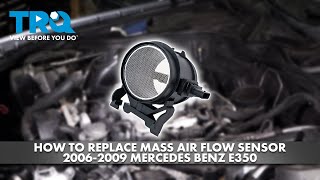
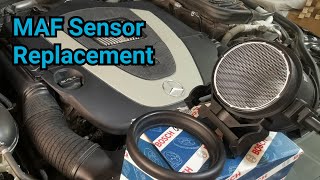
🎬 Watch this step-by-step MAF replacement for 2006-2009 E350 modelsAre there any recalls or TSBs for the E350 MAF sensor?
Our search found no specific recalls or Technical Service Bulletins (TSBs) from Mercedes-Benz or the NHTSA for the Mass Air Flow sensor on the 2006-2016 E350. However, always check for vacuum leaks in the intake system, as this can cause similar symptoms and trigger a MAF-related code.
What's the difference between the sensor on an early (W211) vs. later (W212) E350?
The basic function is the same, but the physical part and its integration into the airbox differ between the W211 (2006-2009) and W212 (2010-2016) generations. The W212, especially later models with the M276 engine, often uses two MAF sensors integrated into a larger intake assembly. Always verify the correct part number for your specific year and engine before purchasing.
Do I need to reset the computer after replacing the sensor?
It is highly recommended. After installing the new sensor, you should use an OBDII scan tool to clear any stored fault codes. The engine's computer will then begin a "re-learning" process with the new sensor's data. Some sources suggest this can take a couple of hundred miles of driving.
Helpful Videos

Technical Specifications
OEM Part Numbers: A2730940948 2730940948 A6420940148 6420940148
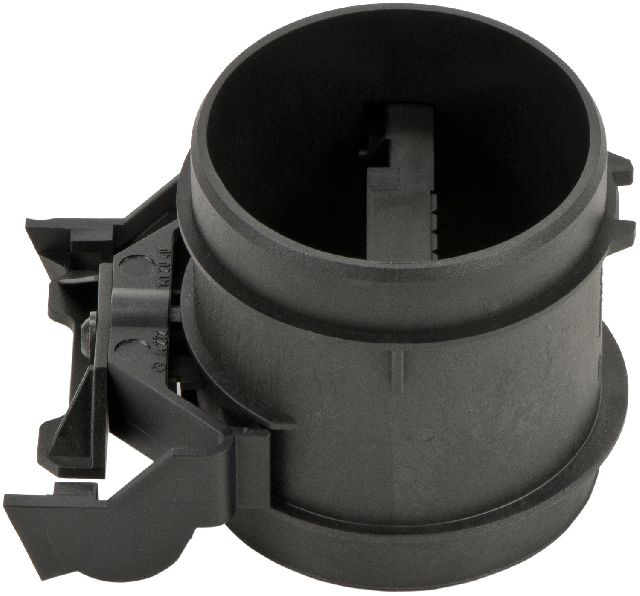
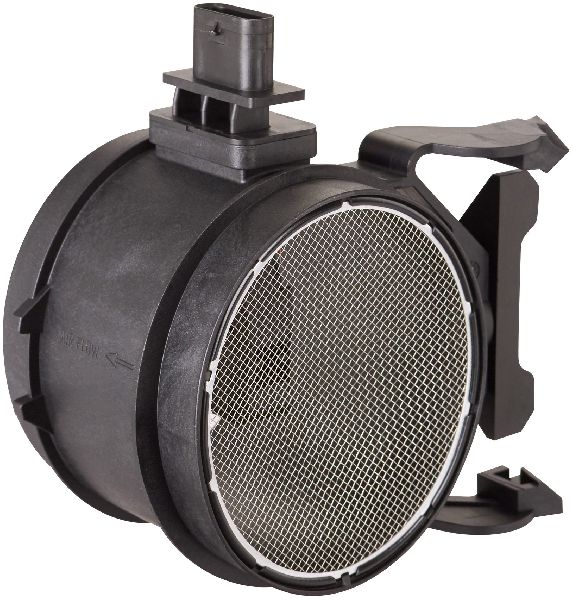
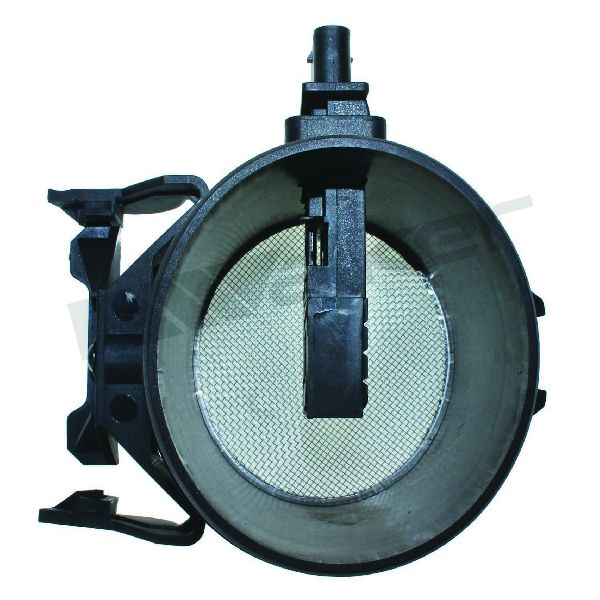
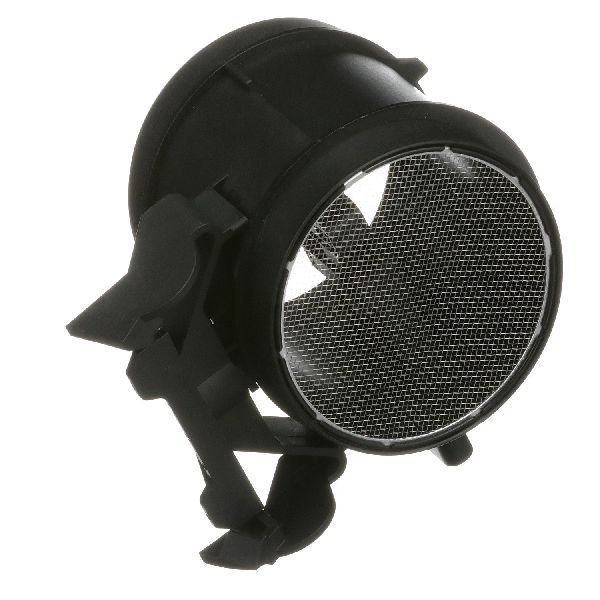
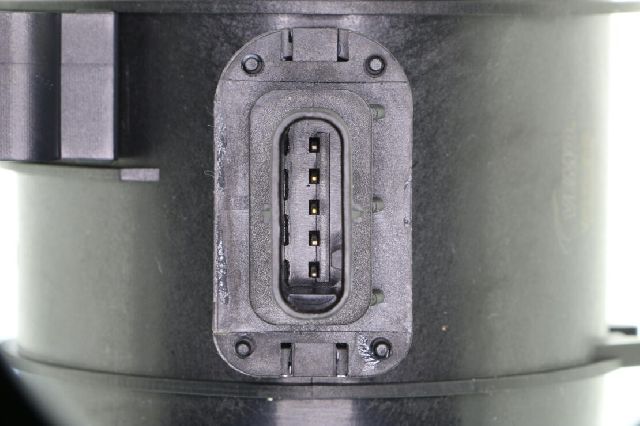
The MAF sensor for the E350 is typically a 'hot-wire' type sensor integrated into a plastic housing that clips into the main engine air intake assembly. Depending on the engine (M272, M276, or OM642 diesel), the vehicle may have one or two sensors. The electrical connector can have 4 or 5 pins depending on the specific model year and engine type.
We Have This Part in Stock


The information in this article is provided for general reference and educational purposes only. Vehicle specifications, procedures, and part compatibility can vary by production date, trim level, and region. Always consult your vehicle's factory service manual and verify part numbers before purchasing or performing repairs. Safety-critical components such as airbags, seat belts, and braking systems should be installed by a qualified professional.
- Mercedes-Benz E350:
- 🎬 Helpful Videos
- 🛍️ Shop This Part
- Is Your E350 Experiencing Engine Problems?
- Symptoms of a Failing MAF Sensor
- Pro Tip: Clean it First!
- Choosing the Right Aftermarket MAF Sensor
- Brand Quality Tiers for Your E350
- A Warning About Cheap Sensors
- Expected Replacement Costs
- Frequently Asked Questions (FAQ)
- 🎟️ Get 5% Off