

A Scion tC Owner's Guide to the 2006-2016 Automatic Transmission Input Speed Sensor
If your 2006-2016 Scion tC is shifting hard or the check engine light is on, this critical sensor could be the reason.
- You MUST verify if you have a 1st Gen (2006-2010) or 2nd Gen (2011-2016) tC before buying.
- Symptoms are almost always a Check Engine Light (P0717) combined with harsh, erratic shifting.
- A quality aftermarket brand like NGK/NTK or Standard Ignition is a reliable and cost-effective alternative to the expensive OEM part.
- This is a DIY-friendly repair; the sensor is external and accessible after removing the battery tray.
Understanding the Two Generations of Scion tC
Before buying this part, you must know which Scion tC you own. The 2006-2016 timeframe covers two different generations with two different automatic transmissions.
- First Generation (2006-2010): These models use the U241E 4-speed automatic transmission.
- Second Generation (2011-2016): These models use the U760E 6-speed automatic transmission.
Confirm Your Vehicle Year
These two generations use different sensors. A part for a 2009 tC will not work on a 2012 tC. Always confirm your vehicle's year before ordering to guarantee you get the correct part.
Symptoms of a Failing Input Speed Sensor
A bad input speed sensor will almost always trigger the Check Engine Light. When you scan the code, you will likely see P0717: Input/Turbine Speed Sensor 'A' Circuit No Signal. Beyond the light, you may experience:
- Harsh or Erratic Shifting: The car may slam into gear, or shift at the wrong times.
- Transmission Stuck in Gear: The transmission may go into "limp mode" to protect itself, often getting stuck in 2nd or 3rd gear.
- Hesitation: The car may hesitate or feel sluggish, especially when accelerating from a stop.
- Poor Fuel Economy: When the transmission can't shift efficiently, it uses more gas.
Choosing the Right Aftermarket Sensor
For a part like this, a quality aftermarket sensor offers the best balance of price and reliability. The Original Equipment (OEM) sensor from a Toyota/Scion dealer is very expensive for what it is. Here’s a breakdown of the available aftermarket brand tiers.
Pro Tip: Check the Wiring First
Sometimes, the sensor itself is fine. The wires in the connector harness can become brittle and break over time, causing the same P0717 code. Always inspect the wiring connected to the sensor for any damage before replacing the part.
Brand Tiers
- Premium Aftermarket (NGK/NTK, Standard Ignition): Brands like NGK (under their NTK sensor line) and Standard Ignition (SMP) are well-respected manufacturers that often supply the original parts to carmakers. They use high-quality materials and perform extensive testing to ensure their parts meet or exceed OEM specifications. For peace of mind and reliability, these brands are a safe bet.
- Economy Aftermarket (True Tech, other store brands): "True Tech" appears to be a private-label brand rather than a dedicated manufacturer. These parts are typically the most affordable. While they may function correctly, their long-term durability and quality control can be inconsistent compared to premium brands. They can be a good option for a budget-focused repair, but the risk of premature failure is slightly higher.
Typical Repair Costs
The cost to fix this issue depends on whether you do it yourself or use a repair shop. The sensor is located externally on the transmission case, making it a relatively simple replacement that doesn't require removing the transmission.
| Item | Estimated Cost |
|---|---|
| New OEM Part | $260 - $400 |
| New Aftermarket Part | $68 - $235 |
| Shop Labor | $95 - $165 |
| Total Shop Repair (Aftermarket Part) | $163 - $400 |
Frequently Asked Questions (FAQ)
Is there a recall on the Scion tC transmission speed sensor?
No, there are no active recalls or widespread Technical Service Bulletins (TSBs) from Toyota/Scion for a failing automatic transmission input speed sensor on the 2006-2016 tC.
Can I replace this sensor myself?
Yes, this is a DIY-friendly repair for most people with basic tools. The sensor is typically located on the top or side of the transmission and is accessible after removing the battery and battery tray. It is held in by a single bolt.
What's the difference between an input and output speed sensor?
The transmission has two main speed sensors. The input sensor (this part) measures the speed going into the transmission from the engine. The output sensor measures the speed coming out of the transmission to the wheels, which is used for the speedometer. A bad input sensor causes shifting problems, while a bad output sensor usually causes an incorrect speedometer reading.
Will a bad input speed sensor damage my transmission?
While it won't cause immediate catastrophic damage, driving for a long time with a bad sensor is not recommended. The harsh shifting and high hydraulic pressure caused by the failure can put extra wear and tear on internal transmission components like clutches and solenoids. It's best to fix it promptly.
Technical Specifications
OEM Part Numbers: 89413-24010 89413-08020 SU14019
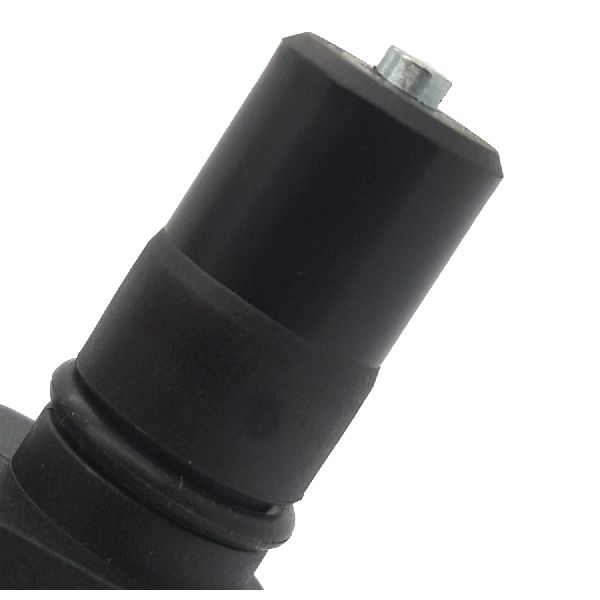
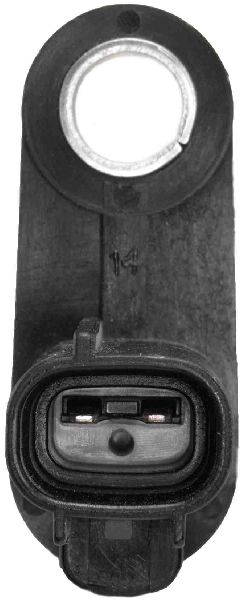
This part is a magnetic hall-effect sensor that generates a signal based on the rotation of a reluctor wheel on the transmission's input shaft. It is an external component, typically with a 2-pin electrical connector and secured by a single bolt.
We Have This Part in Stock


The information in this article is provided for general reference and educational purposes only. Vehicle specifications, procedures, and part compatibility can vary by production date, trim level, and region. Always consult your vehicle's factory service manual and verify part numbers before purchasing or performing repairs. Safety-critical components such as airbags, seat belts, and braking systems should be installed by a qualified professional.
- Scion tC: