

A Guide to the Fuel Pressure Sensor for the 2006-2017 BMW X3
If your BMW X3 is stalling, hesitating, or running rough, the fuel pressure sensor could be the culprit.
- First, identify your X3's engine (e.g., N52, N20, N55) to know if you need a high-pressure or low-pressure sensor.
- A Bosch-branded sensor is considered OEM-quality and is the most reliable aftermarket choice.
- Symptoms like stalling and power loss are common, but get a code scan. Codes like P0193 strongly suggest a sensor fault.
- If you own a 2015-2017 diesel X3, check if your vehicle is part of the HPFP recall before buying any parts.
Is It a High-Pressure or Low-Pressure Sensor?

Before buying a new fuel pressure sensor, you must identify your X3's engine. This is the most common mistake owners make. The sensor you need depends entirely on your fuel system.
- Port Injection (e.g., 2006-2010 X3 3.0i/si with N52 engine): These engines typically have a single fuel pressure sensor that monitors the low-pressure side of the system, reading pressure from the in-tank fuel pump.
- Direct Injection (e.g., 2011-2017 X3 xDrive28i/xDrive35i with N20/N55 engines): These models have a more complex system with two pumps (a low-pressure in-tank pump and a high-pressure fuel pump, or HPFP). They use both a low-pressure sensor and a high-pressure sensor located directly on the fuel rail. The high-pressure sensor is the more common failure point discussed here.
Common Symptoms of a Failing Fuel Pressure Sensor


A bad fuel pressure sensor sends wrong information to the engine's computer, leading to noticeable problems. You might experience one or more of the following:
- Check Engine Light: This is often the first sign. You may see diagnostic trouble codes like P0087 (Fuel Rail/System Pressure Too Low) or P0193 (Fuel Rail Pressure Sensor Circuit High).
- Hard Starting: The engine may crank for a long time before it starts, or it may not start at all.
- Rough Idle and Stalling: Your X3 might idle erratically, shake, or stall unexpectedly, especially when coming to a stop.
- Poor Performance: You'll feel a lack of power, hesitation when you accelerate, or a general sluggishness. The car may even go into "limp mode" to protect the engine.
- Bad Fuel Economy: A faulty sensor can cause the engine to run too rich, wasting fuel and sometimes producing black smoke from the exhaust.
Diesel Model Alert: Check for High-Pressure Fuel Pump (HPFP) Recall
For owners of 2015-2017 BMW X3 xDrive28d (diesel models), be aware of NHTSA Recall 21V-586. This recall is for a faulty high-pressure fuel pump, not the sensor. However, the symptoms, such as stalling and loss of power, are nearly identical. Before buying a sensor, check with a BMW dealer or on the NHTSA website to see if your vehicle is affected by this recall.
Choosing the Right Aftermarket Fuel Pressure Sensor

When it's time to replace the sensor, you have a few options. Quality matters here, as a cheap sensor can fail quickly and cause the same problems all over again.
Brand Quality Tiers
- OEM-Equivalent (Bosch): Bosch is a well-known Original Equipment Manufacturer (OEM) for BMW. Choosing a Bosch sensor is the safest bet for aftermarket parts. It is often the exact same part that came on your vehicle from the factory, just without the BMW logo and dealer price tag. Quality and fit are identical to the original.
- Standard Aftermarket (Standard Ignition, Vemo): Brands like Standard Ignition and Vemo are established aftermarket manufacturers. They offer a balance between cost and quality. While generally reliable, they may not have the same rigorous testing or longevity as an OEM part from Bosch. They are a good mid-range option if budget is a primary concern.
- Budget (Replacement): These are often generic or "white-box" parts. While the low price is tempting, the quality is a gamble. These sensors may have a shorter lifespan or provide less accurate readings, potentially leading to performance issues or another replacement sooner than you'd like.
Pro Tip: Sensor or Pump?
The symptoms of a bad fuel pressure sensor are very similar to a failing high-pressure fuel pump (HPFP), which is a more expensive repair. A key step in diagnosis is to scan for specific trouble codes. A code like P0193 points directly to the sensor's electrical circuit, while P0087 indicates low pressure that could be the pump, a leak, or the sensor. Often, replacing the sensor is a cost-effective first step in troubleshooting.
Cost of Replacing a BMW X3 Fuel Pressure Sensor
| Part / Service | Estimated Cost |
|---|---|
| New OEM / Genuine BMW Sensor | $120 - $230 |
| New Aftermarket Sensor | $91 - $173 |
| Shop Labor | $95 - $150 |
| Total Professional Replacement (Aftermarket Part) | $186 - $323 |
Costs are estimates and may vary based on your location, vehicle's engine, and the specific part required.
Frequently Asked Questions
Is this a difficult repair I can do myself?
For many X3 models, especially replacing the high-pressure sensor on the N20 or N55 engine, this is a DIY-friendly job. The sensor is usually easy to access on top of the engine at the end of the fuel rail. The job can take as little as 15-30 minutes with basic tools. However, you are working with the fuel system. You must work on a cold engine and relieve the fuel pressure before starting to avoid fuel spray and a fire hazard.
What's the difference between the high-pressure and low-pressure fuel sensor?
The low-pressure sensor monitors the fuel coming from the tank pump (around 70-100 PSI). The high-pressure sensor on direct-injection models monitors the fuel after the HPFP has pressurized it for the injectors (can be over 2,000 PSI). They are not interchangeable and report on different parts of the fuel delivery process.
How do I know if I need a high-pressure or low-pressure sensor?
First, identify your engine. If you have a direct-injection engine (like most 2011-2017 models), you have both. The specific trouble code from a diagnostic scan will often point to which sensor circuit is having a problem. For example, P0193 typically refers to the high-pressure rail sensor.
Is Bosch really the same as the Genuine BMW part?
In many cases, yes. Bosch is a major OEM supplier to BMW for fuel and electrical components. A Bosch-branded sensor is often physically identical to the Genuine part, just sold in a different box at a lower price. It is widely considered the best aftermarket option for quality and reliability.
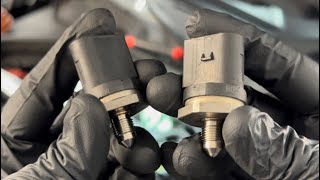
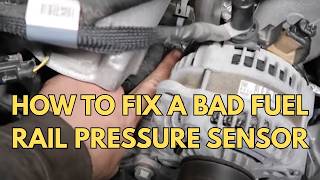
Helpful Videos
Technical Specifications
OEM Part Numbers: 13537620946 13538643665 13538631820 13537800602
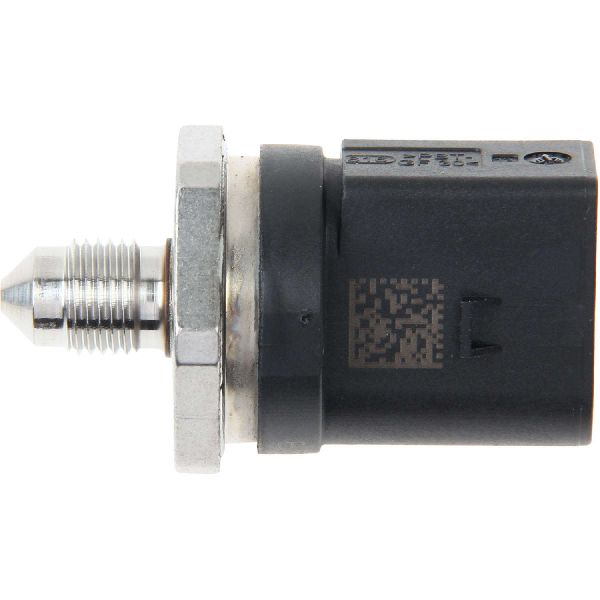
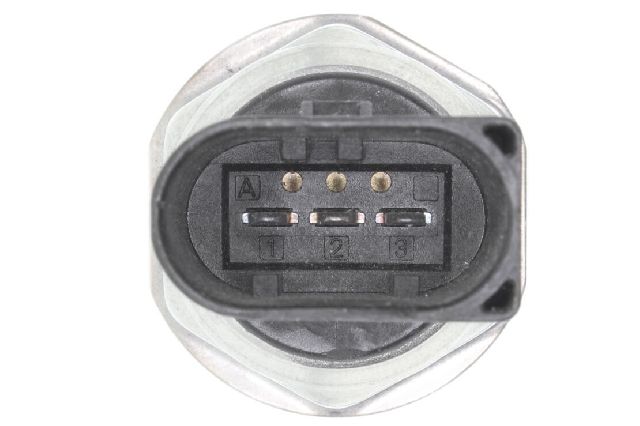
The fuel pressure sensor is a 3-pin electronic transducer that mounts to the fuel rail (for high-pressure sensors) or fuel line (for low-pressure sensors). It converts physical fuel pressure into a voltage signal for the ECM. Direct injection models use a high-pressure sensor capable of reading pressures exceeding 2000 PSI.
We Have This Part in Stock


The information in this article is provided for general reference and educational purposes only. Vehicle specifications, procedures, and part compatibility can vary by production date, trim level, and region. Always consult your vehicle's factory service manual and verify part numbers before purchasing or performing repairs. Safety-critical components such as airbags, seat belts, and braking systems should be installed by a qualified professional.
- BMW X3:
- 🎬 Helpful Videos
- 🛍️ Shop This Part
- Is It a High-Pressure or Low-Pressure Sensor?
- Common Symptoms of a Failing Fuel Pressure Sensor
- Diesel Model Alert: Check for High-Pressure Fuel Pump (HPFP) Recall
- Choosing the Right Aftermarket Fuel Pressure Sensor
- Brand Quality Tiers
- Pro Tip: Sensor or Pump?
- Cost of Replacing a BMW X3 Fuel Pressure Sensor
- Frequently Asked Questions
- 🎟️ Get 5% Off