

Dodge Challenger Automatic Transmission Mount: A Guide for 2006-2017 Models
Stop the clunking and shaking in your Challenger by understanding and replacing your transmission mount.
- The most common signs of failure are a loud clunk when shifting and excessive vibration at idle.
- Replacement is a straightforward DIY job for most home mechanics, taking about 1.5 hours.
- Driving with a bad mount is not recommended as it stresses other expensive parts like the engine mounts and driveshaft.
- OEM Mopar mounts are considered higher quality and more durable than budget aftermarket brands for this vehicle.
Is Your Challenger Clunking and Vibrating? Check the Transmission Mount
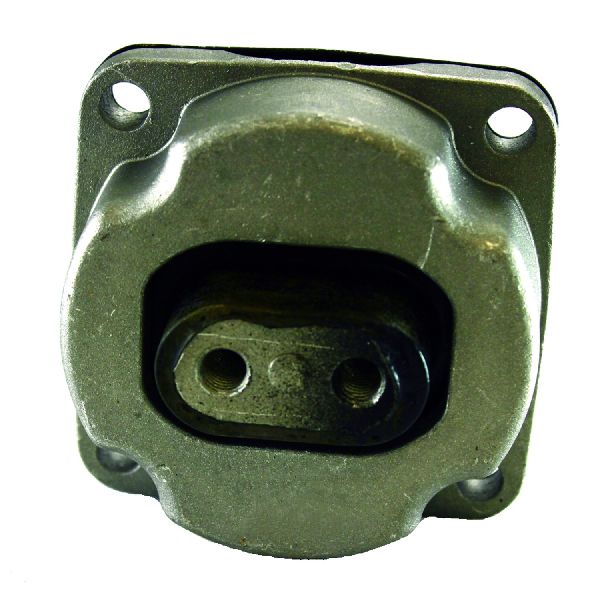
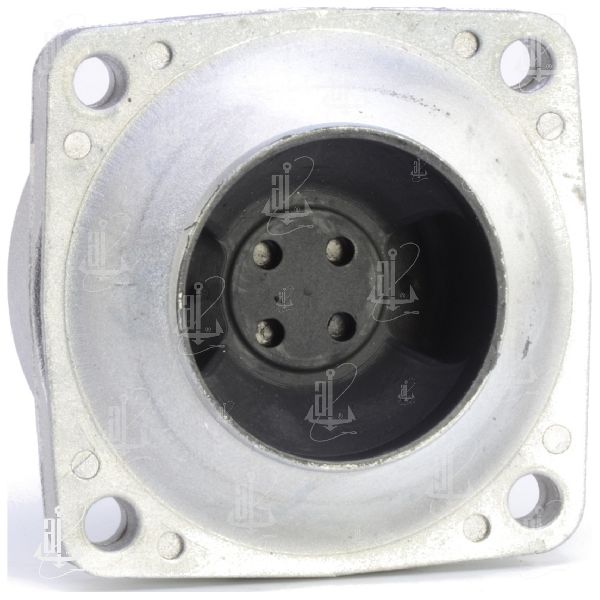
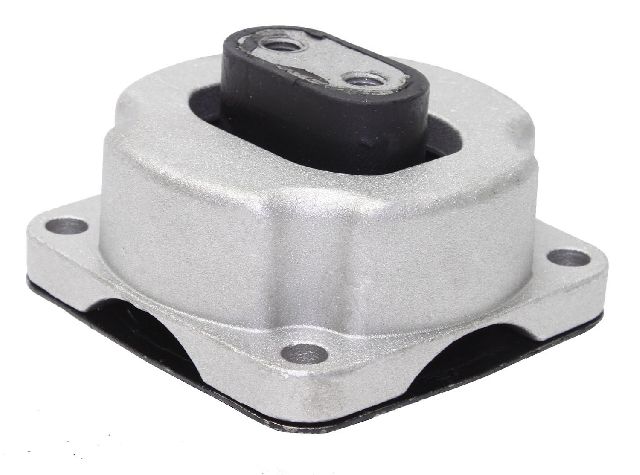
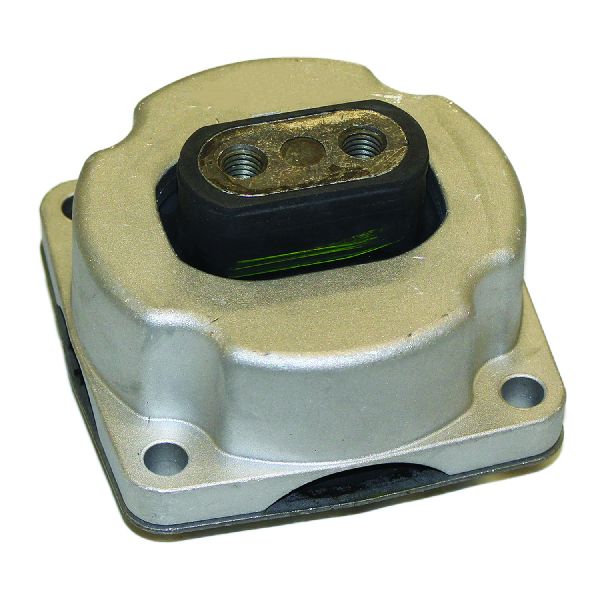
If you're hearing a loud "clunk" or "bang" when you shift your Challenger into Drive or Reverse, a failing transmission mount is the most likely culprit. This part is a common wear item on the 2008-2017 Dodge Challenger and its platform siblings (the Charger, 300, and Magnum). The mount is made of a metal bracket and a large rubber block that absorbs vibration and holds everything in place. Over time, the rubber cracks, tears, or collapses, allowing the heavy transmission to move and slam against the chassis during shifts or hard acceleration.
Top 3 Symptoms of a Bad Transmission Mount
- Clunking Noises: A distinct clunk, bang, or thump when you shift into gear is the number one sign. You might also hear it when you accelerate or brake suddenly.
- Excessive Vibration: You may feel a new or stronger vibration through the floor, seats, or even the steering wheel, especially when idling in gear. This happens because the worn-out rubber can no longer absorb the drivetrain's vibrations.
- Visible Drivetrain Movement: In clear cases of failure, you can physically see the engine and transmission assembly lurch or rock when a helper shifts the car between Drive and Reverse (with the brakes held firmly).
Known Issues: Recalls and Service Bulletins
There are no active recalls from Dodge or the NHTSA for the physical transmission mount itself, as it is considered a wear-and-tear part. However, be aware of two related items:
- NHTSA Recall 17V-431: Some 2017 Challengers with the 5.7L V8 and 8-speed automatic were recalled for a software issue that could prevent the transmission from staying in PARK. This is a control module problem, not a physical mount failure.
- TSB S2221000002: Some models with the 8HP70 transmission may experience a "clunk or knock type noise from the driveline." This could be mistaken for a bad mount, so proper diagnosis is key.
Choosing the Right Aftermarket Mount: OEM vs. Aftermarket
When replacing your mount, you have a choice between original Mopar parts and several aftermarket brands. For this specific part on the Challenger, the quality difference can be significant.
- OEM (Mopar): The original Mopar mount is widely considered the highest quality and most durable option. It's designed specifically for the car's weight and vibration profile. While it costs more, it's the safest bet for a smooth, long-lasting repair.
- Aftermarket Brands (Anchor, Westar, DEA, etc.): These brands offer a much lower price, which is tempting. However, owner feedback is very mixed. Some report that these mounts use harder rubber, which can increase cabin vibration. Others have experienced premature failure or fitment problems that make installation difficult. While some owners use them without issue, they are generally considered a budget-grade option.
Pro Tip: For a daily driver, a budget aftermarket mount might be acceptable if you're trying to save money. For any performance driving or if you want the quietest, smoothest ride, spending the extra money on an OEM Mopar mount is highly recommended.
Cost to Replace a Dodge Challenger Transmission Mount
| Part/Service | Estimated Cost |
|---|---|
| New Aftermarket Part | $31.59 - $49.04 |
| New OEM (Mopar) Part | $65 - $95 |
| Shop Labor | $75 - $190 |
| Total Professional Replacement (Aftermarket) | $107 - $240 |
| Total Professional Replacement (OEM) | $140 - $285 |
Frequently Asked Questions (FAQ)
Is it hard to replace a Challenger transmission mount yourself?
No, it's a fairly simple job for a DIY mechanic. The process involves safely lifting the car, supporting the transmission with a floor jack, removing the transmission crossmember, and then unbolting the old mount to swap in the new one. It typically requires basic hand tools and about 1.5 hours.
Will a bad transmission mount cause a Check Engine Light?
It's unlikely to directly cause a check engine light because the mount itself has no sensor. However, in very severe cases, if the transmission moves enough to damage nearby wiring or sensors, it could trigger a fault code.
What happens if I don't replace a bad transmission mount?
Continuing to drive with a failed mount is not recommended. The extra movement puts significant stress on your engine mounts, driveshaft, and exhaust system. This can cause those parts to wear out and fail, leading to much more expensive repairs down the road.
Do I need to replace engine mounts at the same time?
Not necessarily, but it's a good idea to inspect them. A failed transmission mount puts extra strain on the engine mounts, and vice-versa. If one has failed, the others may be worn or near the end of their life. Replacing them all at once can save you from doing a similar repair job in the near future.
Technical Specifications
OEM Part Numbers: 68271940AA 5180484ab 68084747AA
The transmission mount for the RWD Dodge Challenger is a single assembly that includes a metal support bracket and an integrated rubber isolator. It bolts to the transmission and the vehicle's central crossmember. Part numbers vary based on engine (V6/V8) and transmission type (5-speed/8-speed), so verifying with your VIN is crucial.
We Have This Part in Stock


The information in this article is provided for general reference and educational purposes only. Vehicle specifications, procedures, and part compatibility can vary by production date, trim level, and region. Always consult your vehicle's factory service manual and verify part numbers before purchasing or performing repairs. Safety-critical components such as airbags, seat belts, and braking systems should be installed by a qualified professional.
- Dodge Challenger:
- 🛍️ Shop This Part
- Is Your Challenger Clunking and Vibrating? Check the Transmission Mount
- Top 3 Symptoms of a Bad Transmission Mount
- Known Issues: Recalls and Service Bulletins
- Choosing the Right Aftermarket Mount: OEM vs. Aftermarket
- Cost to Replace a Dodge Challenger Transmission Mount
- Frequently Asked Questions (FAQ)
- 🎟️ Get 5% Off