

A Guide to the Engine Oil Pressure Switch for the 2006-2017 Hyundai Azera
Understanding the causes of a flickering oil light or a mysterious oil leak on your Azera.
- Always check your oil level first if the oil light comes on. A faulty switch is only a possibility if the oil level is full.
- A flickering oil light at idle is a classic symptom of a failing oil pressure switch on these cars.
- Oil leaking onto the transmission may be from the switch, not the rear main seal. Insist on a proper diagnosis.
- Due to high labor costs for replacement, choose a high-quality OEM or premium aftermarket part to avoid repeat repairs.
Is Your Azera's Oil Pressure Switch Failing?
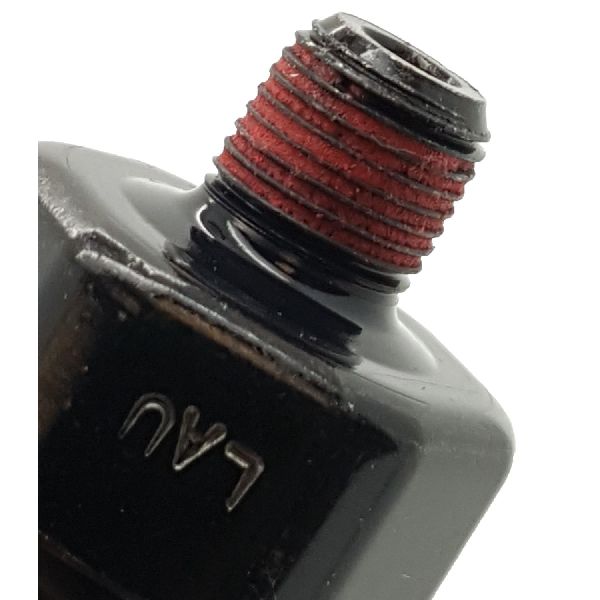
A faulty oil pressure switch can cause confusing symptoms. The most common sign is the red oil pressure light on your dashboard flickering or staying on, even when you know the engine oil level is correct. This flickering often happens at idle or low engine speeds. Another very common failure on the Azera's V6 engine is an oil leak directly from the switch itself. Because the switch is located deep in the engine valley beneath the intake manifold, this leak can be difficult to spot. The oil often runs down the back of the engine and drips from the transmission bellhousing, leading to a frequent misdiagnosis of a much more expensive rear main seal leak.
A leaking oil pressure switch on the Azera V6 is often mistaken for a rear main seal leak. Before agreeing to a costly rear main seal replacement, ensure a mechanic has thoroughly inspected the top of the engine valley (under the intake manifold) with a scope for oil originating from the pressure switch. A Technical Service Bulletin for similar Hyundai engines (TSB ENG237) specifically warns technicians about this common misdiagnosis.
Choosing the Right Aftermarket Switch
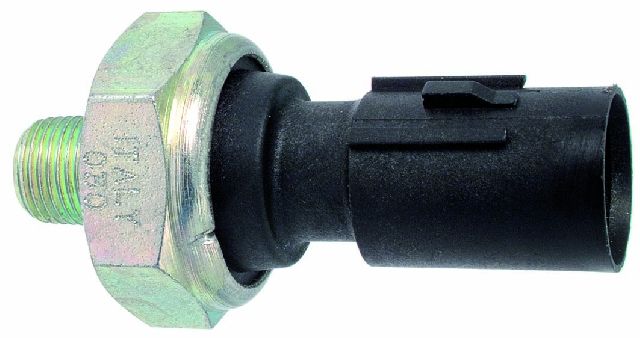
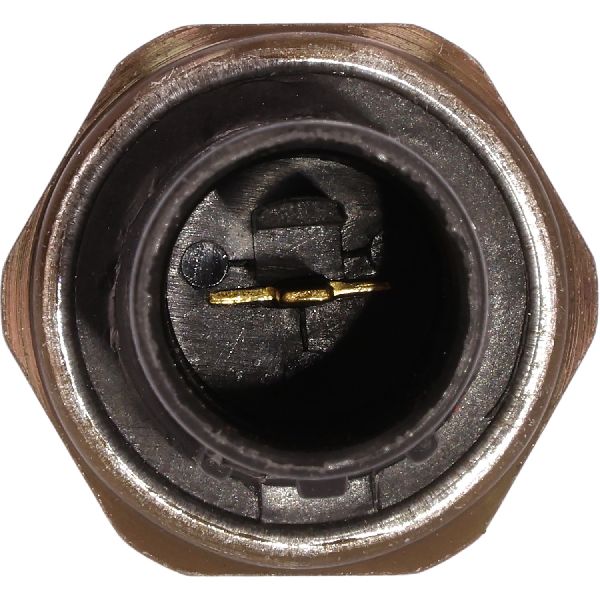
Replacing the oil pressure switch on an Azera V6 is a labor-intensive job that requires removing the upper and lower intake manifolds. Because of the high labor cost, this is not a part you want to replace twice. Choosing a quality brand is essential.
- Premium Aftermarket (Standard Ignition, Rostra Powertrain): Brands like Standard Ignition and Rostra have a strong reputation for producing reliable electronic components that meet or exceed original specifications. Given the difficulty of the repair, spending a little more on a premium part is a wise investment for peace of mind.
- OE-Equivalent (Facet): Facet is an established brand that markets its parts as equivalent to original equipment, focusing on quality materials and manufacturing processes. This can be a solid mid-range option.
- Economy Brands (Global Parts, True Tech): These brands are more budget-focused. While they offer significant savings, there is less public information available about the long-term reliability of their sensors. Given the high labor cost involved in this specific repair, an economy part represents a higher risk.
Understanding Replacement Costs
The cost to replace the Azera's oil pressure switch is dominated by labor due to its location. The part itself is relatively inexpensive.
| Part Type | Estimated Part Cost | Estimated Labor Cost | Estimated Total Cost |
|---|---|---|---|
| New Aftermarket | $14 - $76 | $280 - $415 | $294 - $491 |
| New OEM (Hyundai) | $50 - $100 | $280 - $415 | $330 - $515 |
Frequently Asked Questions
Why is the replacement so expensive if the part is cheap?
The high cost comes from the labor involved. On the Azera's V6 engine, the oil pressure switch is buried under the intake manifold. A mechanic needs several hours to disassemble the top of the engine to access it, and then reassemble everything correctly.
Can I drive with a bad oil pressure switch?
No. If the switch is faulty, you have no reliable way of knowing if your engine has safe oil pressure. Ignoring a real low-pressure situation for even a few minutes can destroy the engine. It is not safe to drive the vehicle until it is inspected.
What happens if I ignore a leaking switch?
A leaking switch will cause a continuous loss of engine oil. If the oil level drops too low, it can lead to engine failure. The leaking oil can also damage other components, such as wiring harnesses and sensors, and creates a fire risk as it drips onto hot exhaust parts.
Is an OEM part better for this specific repair?
Because the labor is so expensive, many owners and mechanics choose a genuine Hyundai part for maximum reliability and to avoid having to do the job again. However, a high-quality aftermarket part from a reputable brand like Standard Ignition or Rostra is also a dependable choice. The key is to avoid unproven, low-cost options for this particular job.
Technical Specifications
OEM Part Numbers: 94750-37100 94750-37000
Location: In the engine valley, under the intake manifold. Thread Size: M10x1.0 (Verify for specific application)
We Have This Part in Stock


The information in this article is provided for general reference and educational purposes only. Vehicle specifications, procedures, and part compatibility can vary by production date, trim level, and region. Always consult your vehicle's factory service manual and verify part numbers before purchasing or performing repairs. Safety-critical components such as airbags, seat belts, and braking systems should be installed by a qualified professional.
- Hyundai Azera: