

A Guide to the Manifold Absolute Pressure (MAP) Sensor for the 2006-2017 Hyundai Azera
Experiencing rough idling, poor fuel economy, or a loss of power in your Azera? Your MAP sensor could be the problem.
- A failing MAP sensor in an Azera commonly causes rough idle, poor acceleration, and bad gas mileage, often with a P0106 check engine code.
- Replacement is an easy DIY job, typically requiring only basic tools to remove a single bolt on the intake manifold.
- There are no specific recalls or TSBs for the MAP sensor on this vehicle, so failure is usually due to age or contamination.
- Premium aftermarket brands like Delphi or Standard Ignition offer a reliable, cost-effective alternative to the much more expensive OEM part.
Is Your Azera's MAP Sensor Failing?

A faulty Manifold Absolute Pressure (MAP) sensor can cause a range of noticeable engine problems. Because it provides critical data for the air-fuel mixture, a bad sensor can make your car run poorly and waste gas. Ignoring the symptoms can potentially lead to more serious engine issues or catalytic converter damage over time.
Common Symptoms of a Bad MAP Sensor:
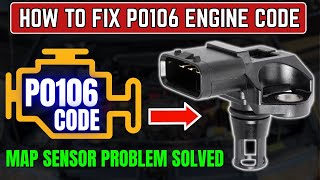
- Check Engine Light: This is often the first sign. The most common trouble code is P0106, 🎬 Watch this breakdown of the P0106 code and its causes. which points to a performance issue with the MAP sensor circuit.
- Rough Idle: The engine may shake or sound unsteady when the car is stopped.
- Poor Acceleration: You might feel a delay, hesitation, or a general lack of power when you press the gas pedal.
- Bad Fuel Economy: A faulty sensor can cause the engine to run too rich (too much fuel) or too lean (not enough fuel), leading to more trips to the gas station.
- Black Smoke from Exhaust: This is a sign of a rich fuel mixture, where unburnt fuel is exiting through the exhaust.
- Stalling or Hesitation: The engine may stall when coming to a stop or hesitate when you try to accelerate.
Known Issues for the 2006-2017 Hyundai Azera
Searches for official recalls or Technical Service Bulletins (TSBs) from Hyundai or the NHTSA specifically for MAP sensor failure on the 2006-2017 Azera did not yield any results. While other recalls exist for this vehicle, the MAP sensor does not appear to be a widespread, officially documented problem part.
Choosing the Right Aftermarket MAP Sensor

When replacing your Azera's MAP sensor, you don't have to buy the expensive OEM part. Aftermarket options provide good quality at a lower price. They can be grouped into tiers based on reputation and quality.
Premium Aftermarket (Closer to OE Quality):
- Delphi: As a major supplier of original equipment parts to top car manufacturers, Delphi sensors are engineered to OE standards. They often feature protective elements like silicone gel to guard against engine vibration and heat, promoting a long service life.
- NGK: While widely known for spark plugs, NGK is also a trusted OE manufacturer of vehicle sensors. Their parts are known for high quality and reliability.
- Standard Ignition (SMP): A long-established brand trusted by professional mechanics. For best results, stick with their main line (often in a red box) as it is generally considered a quality replacement.
Standard Aftermarket (Reliable & Affordable):
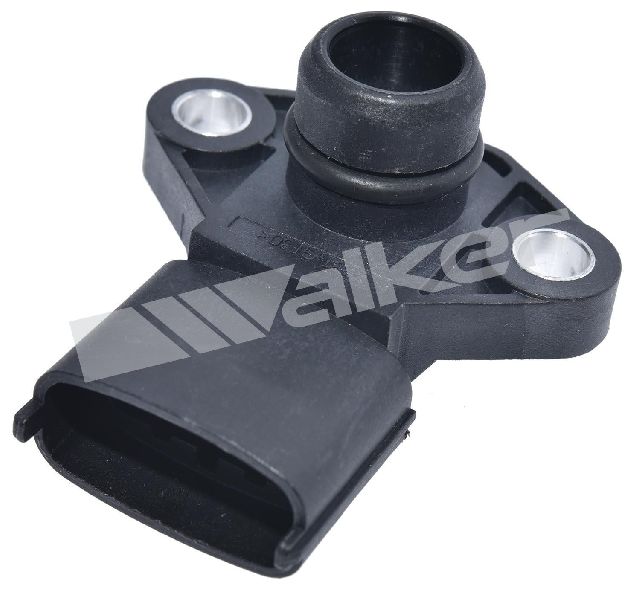
- Walker Products, Spectra, Facet: These brands offer a solid balance of quality and value. They are dependable replacements for a daily driven vehicle and meet the required specifications without the premium price tag.
Economy Aftermarket (Budget-Friendly):
- Global Parts, Skyward, True Tech, Vemo: These brands provide the most affordable path to fixing your issue. They are a functional choice if your primary concern is minimizing repair cost.
Pro Tip: Check for Vacuum Leaks First
Symptoms of a bad MAP sensor can also be caused by a simple vacuum leak from a cracked or disconnected hose. Before spending money on a new sensor, take a moment to inspect all the vacuum hoses connected to the intake manifold for any signs of damage or loose connections.
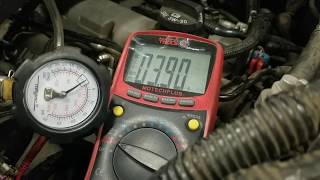
🎬 See how to test your sensor using a multimeter.Cost of Replacing a Hyundai Azera MAP Sensor

Replacing the MAP sensor is a straightforward job that is very DIY-friendly. It is typically located on the intake manifold and held in place by a single bolt, making it accessible with basic tools.
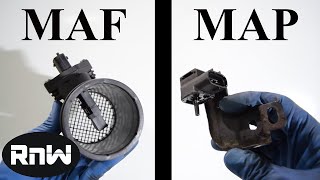
🎬 Watch this guide on testing and replacing a MAP sensor.| Part/Service | Estimated Cost |
|---|---|
| New OEM Hyundai Sensor | $195 - $280 |
| New Aftermarket Sensor | $21 - $134 |
| Shop Labor | $49 - $72 |
Frequently Asked Questions

Where is the MAP sensor located on a 2006-2017 Hyundai Azera?
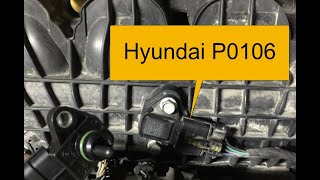
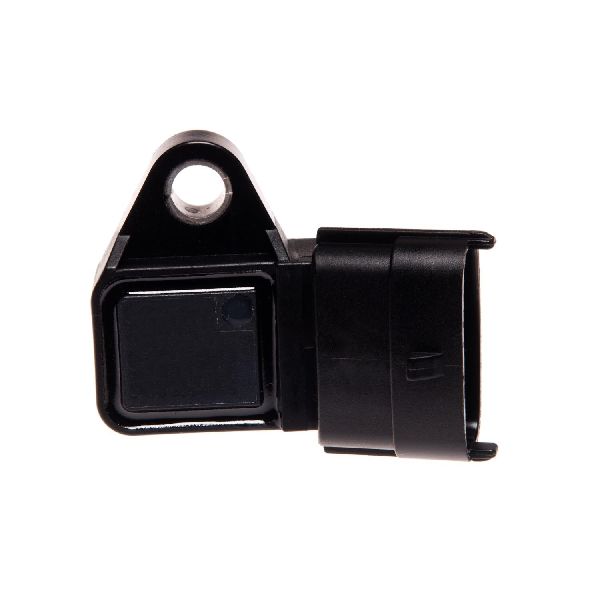
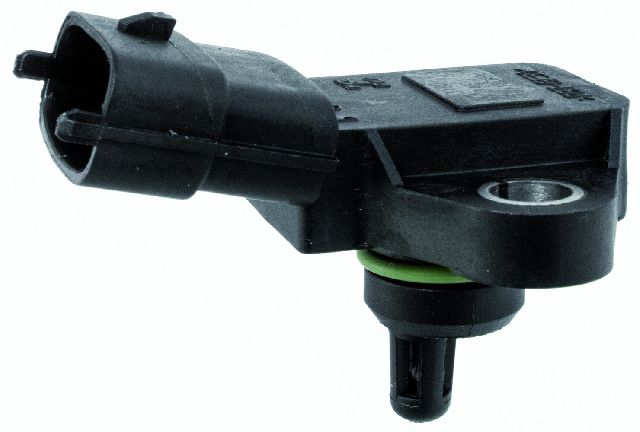
The MAP sensor is almost always located directly on the engine's intake manifold. It's a small, black plastic sensor with an electrical connector, typically secured by one or two small bolts.
Can I drive my Azera with a bad MAP sensor?
While you can usually drive the vehicle, it is not recommended for an extended period. A bad sensor can cause stalling, hesitation, and poor power, which can be a safety risk in traffic. Continuing to drive can also lead to long-term damage to your engine or catalytic converter.
What is the most common error code for a bad MAP sensor?
The most common diagnostic trouble code (DTC) is P0106, which indicates a range or performance problem with the MAP sensor circuit. Other related codes can include P0105, P0107, and P0108.
Do I need to reset the computer after replacing the MAP sensor?
After replacing the sensor, it is best practice to clear the diagnostic trouble codes from the vehicle's computer using an OBD2 scanner. You can also disconnect the battery's negative terminal for about 15 minutes to reset the system, though using a scanner is the preferred method.
Helpful Videos

Technical Specifications
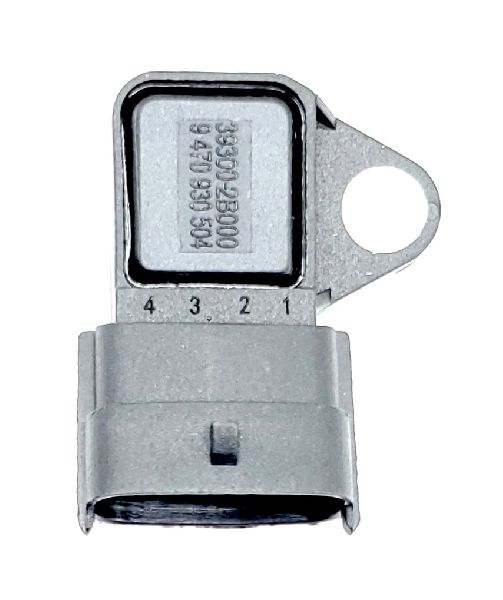
OEM Part Numbers: 39300-3C100 39300-2B000 39300-38200 39300-38100 39300-3C500
The MAP sensor for the Hyundai Azera is typically a 3-pin, bolt-on, plastic-bodied sensor that provides a voltage signal to the ECU that is proportional to the pressure in the intake manifold.
We Have This Part in Stock


The information in this article is provided for general reference and educational purposes only. Vehicle specifications, procedures, and part compatibility can vary by production date, trim level, and region. Always consult your vehicle's factory service manual and verify part numbers before purchasing or performing repairs. Safety-critical components such as airbags, seat belts, and braking systems should be installed by a qualified professional.
- Hyundai Azera:
- 🎬 Helpful Videos
- 🛍️ Shop This Part
- Is Your Azera's MAP Sensor Failing?
- Common Symptoms of a Bad MAP Sensor:
- Known Issues for the 2006-2017 Hyundai Azera
- Choosing the Right Aftermarket MAP Sensor
- Pro Tip: Check for Vacuum Leaks First
- Cost of Replacing a Hyundai Azera MAP Sensor
- Frequently Asked Questions
- 🎟️ Get 5% Off