

A Guide to Replacing Disc Brake Pads on the 2006-2017 Mazda 5
Choosing the right brake pads for your Mazda 5 is crucial for safety and performance; here’s what you need to know.
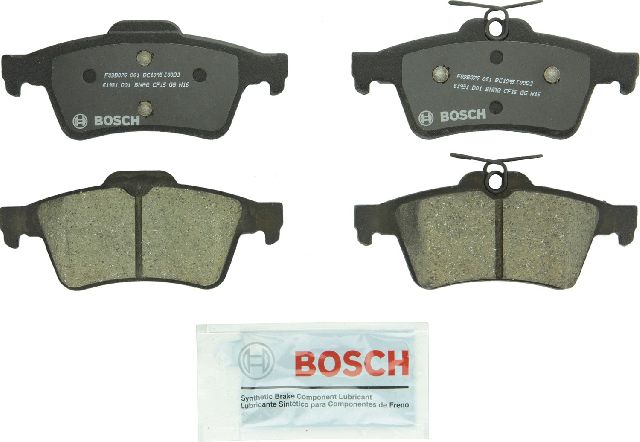
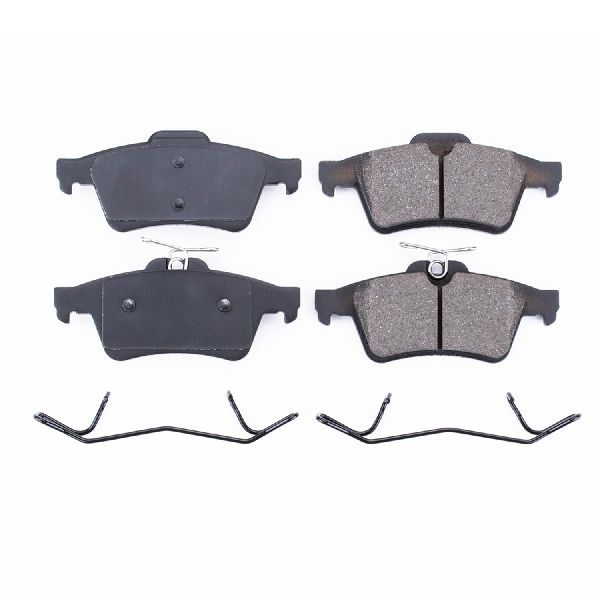
- A known issue causes rear outer brake pads to wear prematurely; ensure caliper supports are cleaned and lubricated.
- Replacing the rear pads requires a special tool to rotate the caliper piston; it cannot just be pushed back.
- Always replace hardware and consider replacing rotors at the same time for best performance and longevity.
- Proper fitment is key; some owners have reported noise from ill-fitting aftermarket pads.
Symptoms of Worn Brake Pads


Your Mazda 5 will give you several warning signs when the brake pads are nearing the end of their life. Ignoring these can lead to more expensive repairs. The most common sign is a high-pitched squealing noise when you apply the brakes, which is caused by a small metal wear indicator built into the pad. As the pads wear further, you might hear a grinding sound, which means the pad material is gone and metal is grinding against metal. Other symptoms include the car pulling to one side when braking, vibrations in the brake pedal or steering wheel, and taking longer to stop than usual.
A Known Issue: Premature Rear Brake Pad Wear
Many Mazda 5 owners, particularly those in regions where road salt is used in winter, experience the outer rear brake pads wearing out much faster than the inner pads. Mazda issued a Technical Service Bulletin (TSB 04-005/15) for this problem. The issue is caused by corrosion buildup on the rear brake caliper support, which prevents the outer pad from moving freely. This causes the pad to drag on the rotor, leading to rapid wear and a grinding noise. The official fix involves removing the rust from the caliper support, applying special grease, and installing updated brake pads. When replacing your rear pads, it is critical to clean and lubricate the caliper hardware thoroughly to prevent this from happening again.
🎬 Watch: How to fix common Mazda brake drag and noiseChoosing the Right Aftermarket Brake Pads

With many brands available, picking the right set can be confusing. They generally fall into three categories. Your choice depends on your budget and driving style.
| Brand Tier | Description | Example Brands |
|---|---|---|
| Economy | These are the most affordable option and meet basic safety standards. They are a good choice for drivers on a tight budget with average daily driving needs. 🎬 Watch: Step-by-step guide to replacing your front brake pads However, they may not last as long or be as quiet as more expensive pads. | Pronto, Dynamic Friction, Total Stopping Solutions |
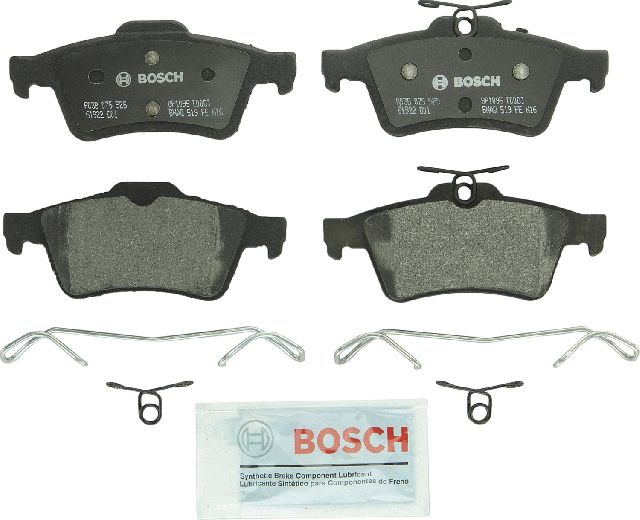
| OEM-Equivalent | These pads are designed to match the performance, noise level, and lifespan of the original factory pads. They are a popular choice for most Mazda 5 owners looking for a reliable, no-surprises replacement. Brands in this category often supply parts to vehicle manufacturers. | ACDelco, Advics, Akebono, Bosch, Centric, Raybestos, Wagner Brakes |
| Performance / Heavy-Duty | For drivers who want improved stopping power, better fade resistance during heavy braking, or for towing, performance pads are the way to go. They often create more dust and can be noisier than standard pads. | Brembo, EBC Brakes, Hawk Performance, Powerstop, StopTech |
Pro Tip: Don't Forget the Hardware
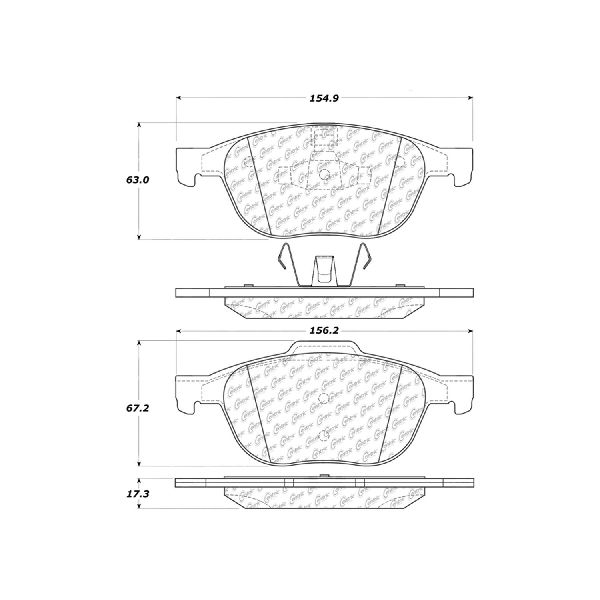
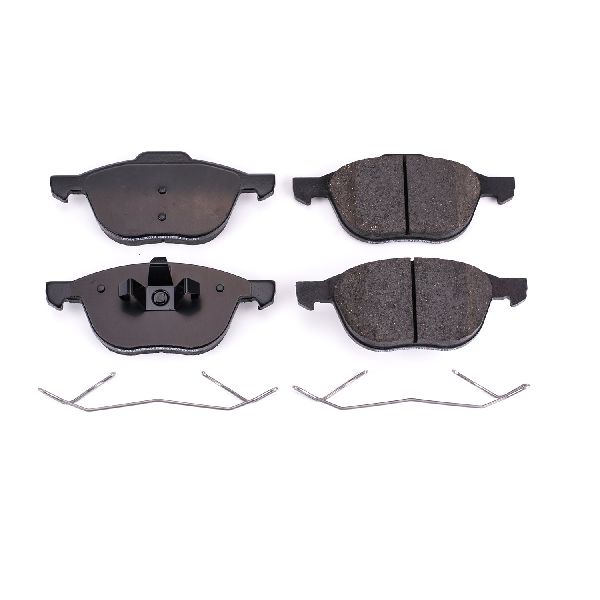
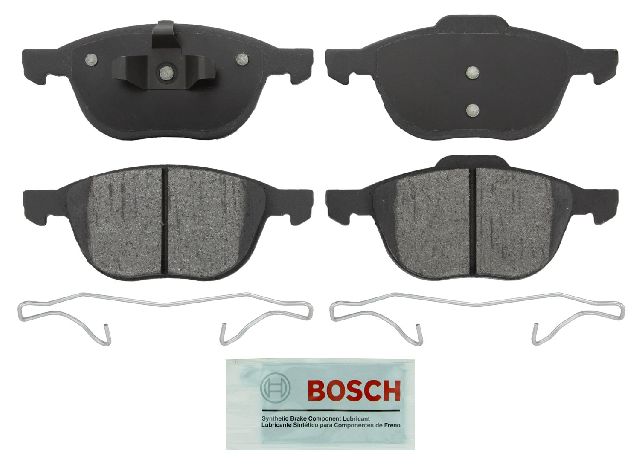
Many aftermarket brake pad sets come with new hardware, like clips and shims. Always use this new hardware. Old, rusty clips can cause pads to bind or fit loosely, leading to noise and uneven wear. Some forum users have reported issues with pads being slightly too small for the caliper, causing a knocking noise, which highlights the importance of a perfect fit.
Frequently Asked Questions (FAQ)

Do I need a special tool to change my Mazda 5 brake pads?
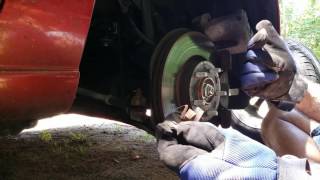
Yes, for the rear brakes. The rear caliper pistons on the Mazda 5 must be rotated and pushed in at the same time to retract them. You cannot simply push them in with a C-clamp like the front calipers. A special disc brake caliper tool is required for this, which can be purchased affordably or often rented from an auto parts store.
Should I replace my rotors at the same time as my pads?
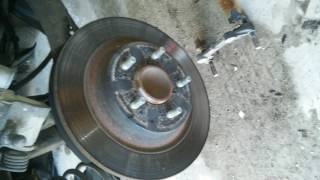
It is highly recommended. If your rotors are warped (causing a vibration when braking), have deep grooves, or show signs of heat damage, they must be replaced or resurfaced. Installing new pads on old, worn rotors 🎬 See this walkthrough for changing both rear pads and rotors will reduce braking performance and cause the new pads to wear out quickly and unevenly.
Why are my new brakes making noise?
New pads sometimes require a break-in period. However, persistent noise can be due to several factors. A clicking noise can be caused by loose pads if the hardware isn't correct. Squeaking can be caused by vibrations between the pad and caliper; applying a thin layer of brake lubricant to the back of the pads can help. Grinding could indicate a serious installation error. If noise persists, have your work inspected.
Are there any recalls for the Mazda 5 brake pads?
No, there are no specific safety recalls for the disc brake pads on the 2006-2017 Mazda 5. However, there is a Technical Service Bulletin (TSB) that addresses a known issue with premature rear pad wear.
Helpful Videos


Technical Specifications
OEM Part Numbers: C2Y3-26-48ZB K0Y1-26-48ZC K0Y1-26-49ZA
The Mazda 5 uses a single-piston sliding caliper design for both front and rear brakes. The rear caliper requires a 'wind-back' tool for piston retraction due to the integrated parking brake mechanism.
We Have This Part in Stock

The information in this article is provided for general reference and educational purposes only. Vehicle specifications, procedures, and part compatibility can vary by production date, trim level, and region. Always consult your vehicle's factory service manual and verify part numbers before purchasing or performing repairs. Safety-critical components such as airbags, seat belts, and braking systems should be installed by a qualified professional.
- Mazda 5: