

A Comprehensive Guide to the 2006-2017 Mazda 5 Mass Air Flow Sensor
Solve rough idling and poor gas mileage by understanding your Mazda 5's MAF sensor and choosing the right replacement.
- Try cleaning the sensor with dedicated MAF cleaner first; it might solve the problem.
- For replacement, stick to trusted brands like Denso, Hitachi, or NGK to avoid performance issues.
- The replacement is very easy and requires only a Phillips screwdriver, making it a great DIY job.
- Confirm the part fits your engine, as 2006-2010 (2.3L) and 2012-2017 (2.5L) models may differ.
Signs of a Failing MAF Sensor

When the MAF sensor on your Mazda 5 starts to fail, it sends incorrect information to the engine's computer. This can lead to a variety of noticeable problems. You are the best judge of how your car normally drives, so pay attention to any new or unusual behavior.
- Check Engine Light: This is the most common symptom. A failing MAF sensor will often trigger a Diagnostic Trouble Code (DTC), most frequently P0101, which indicates a problem with the sensor's range or performance.
- Rough Idle: The engine may idle erratically, shake, or even stall when you're stopped. This happens because the incorrect air reading leads to an unstable air-fuel mixture at low RPMs.
- Poor Fuel Economy: If you notice you're filling up your gas tank more often, a bad MAF sensor could be the cause. The engine computer may be injecting too much fuel based on faulty data.
- Hesitation or Jerking: Your Mazda 5 might hesitate, stumble, or jerk when you accelerate. This is especially noticeable under light acceleration as the computer struggles to match fuel delivery to the incorrect airflow reading.
- Black Smoke from Exhaust: In some cases, an extremely rich fuel mixture caused by a bad sensor can result in black smoke coming from the tailpipe, which is unburnt fuel.
Try Cleaning It First
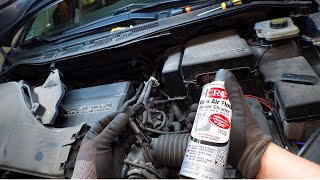
Before you buy a new sensor, it's worth trying to clean your current one. Contamination from dirt and oil is a common cause of failure. Purchase a dedicated MAF sensor cleaner spray from an auto parts store. Do not use brake cleaner or carburetor cleaner, as these chemicals will destroy the delicate sensor elements. The process is simple: remove the sensor, spray the cleaner on the small wires inside, let it air dry completely, and reinstall. This simple step can sometimes restore function and save you money.
🎬 Watch: Step-by-step guide to cleaning your Mazda MAF sensorChoosing the Right Aftermarket MAF Sensor

Not all aftermarket MAF sensors are created equal, and this is a part where brand quality matters significantly. For the Mazda 5, using a low-quality sensor can lead to persistent performance issues, false check engine lights, and frustration. It is highly recommended to stick with brands known for their electronic components.
Tier 1: OEM & Premium Aftermarket (Recommended)
These brands are often the original equipment manufacturers for Mazda or have a reputation for equivalent quality. They are the safest bet for a reliable, long-lasting repair.
- Denso: A top-tier Japanese parts manufacturer and a known OEM supplier for Mazda. This is often considered the best choice outside of a genuine Mazda-branded part.
- Hitachi: Another major Japanese electronics company that produces high-quality sensors. Like Denso, Hitachi is a trusted OEM supplier.
- NGK/NTK: While famous for spark plugs, NGK (and its sensor division, NTK) also produces high-quality MAF sensors that are well-regarded.
Tier 2: Reputable Aftermarket
These brands are established names in the aftermarket and can offer good value, but may not have the same OEM pedigree as the top tier.
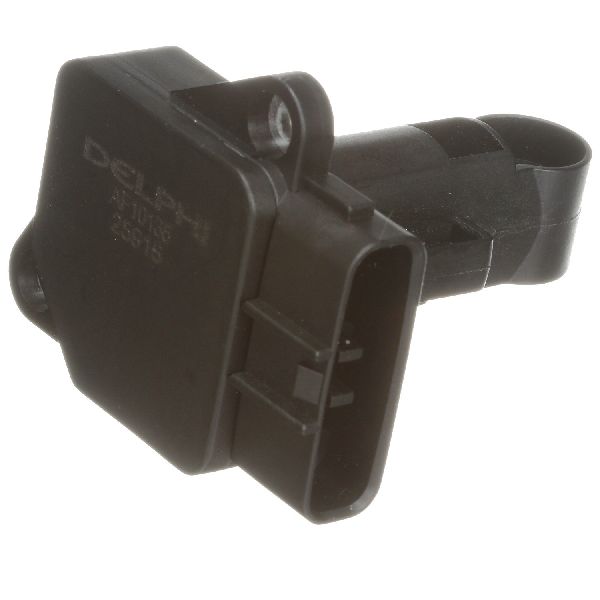
- Delphi: A major global parts supplier with a long history. Their sensors are generally considered reliable replacements.
- Spectra Premium: A common aftermarket brand that offers a wide range of parts. Quality can be good, but some forum users have reported issues.
Tier 3: Economy & Remanufactured (Use with Caution)
While the low price is tempting, these options carry a higher risk of being defective out of the box or failing prematurely. Many owner experiences online tell a story of buying a cheap sensor only to have to replace it again with a better one.
- Cardone: Offers both new ("Cardone Select") and remanufactured parts. Reviews are mixed; while some have success, others report issues, making it a gamble.
- DriveWire, Global Parts, and other store brands: These are typically the most affordable but also the most likely to cause issues. It is generally advised to avoid the cheapest options for this critical sensor.
A Note on Engine Generations
The 2006-2017 Mazda 5 used two different engines. The 2006-2010 models have a 2.3L engine, while the 2012-2017 models have a 2.5L engine. These engines may use different MAF sensors. Always verify the part fits your specific year and engine before purchasing.
Cost of Replacing a Mazda 5 MAF Sensor
| Part Type | Estimated Cost |
|---|---|
| New Aftermarket | $55 - $265 |
| New OEM (Mazda) | $200 - $350 |
| Shop Labor | $50 - $100 |
*Prices are estimates and can vary based on brand, supplier, and location. Labor costs are minimal due to the simplicity of the job.
Simple Installation Guide

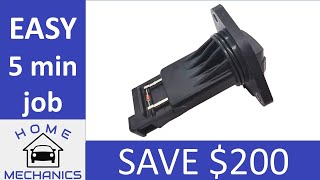
Replacing the MAF sensor on a Mazda 5 is a great job for a beginner. It typically takes less than 15 minutes.
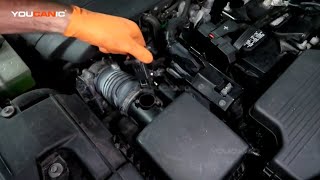
- Locate the Sensor: Open the hood and find the air filter box. Follow the large plastic intake tube toward the engine. The MAF sensor is the small electronic component plugged into this tube, held by two screws.
- Disconnect: Press the tab on the electrical connector and pull it off the sensor.
- Remove Screws: Using a Phillips head screwdriver, carefully remove the two screws holding the sensor in place. Be careful not to drop them.
- Swap Sensors: Gently pull the old sensor straight out. Insert the new sensor, making sure it is seated correctly.
- Reinstall: Secure the new sensor with the two screws (do not overtighten) and plug the electrical connector back in until it clicks. 🎬 Watch: A quick video walkthrough of the Mazda 5 replacement
Frequently Asked Questions

What does the code P0101 mean?
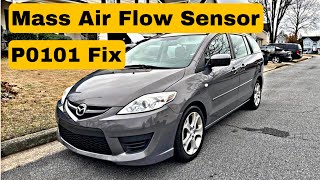
P0101 is a generic OBD-II code that means "Mass Air Flow (MAF) Circuit Range/Performance Problem." Essentially, the engine computer is receiving a signal from the MAF sensor that is outside the expected range for the current engine speed and throttle position. 🎬 See this breakdown of P0101 causes and potential fixes This is the most common code associated with a failing MAF sensor.
Do I need to disconnect the battery to change the MAF sensor?
It is a good practice to disconnect the negative battery terminal before working on any electronic component. After replacing the sensor, reconnecting the battery will also force the engine computer to clear its short-term memory and re-learn the fuel trims with the new sensor, which can be beneficial.
Why shouldn't I buy the cheapest MAF sensor available?
MAF sensors are precision instruments. Cheaper sensors often use lower-quality components that may not be calibrated correctly for your Mazda 5's engine. This can result in continued poor performance, bad fuel economy, and persistent check engine lights, costing you more time and money in the long run.
If cleaning doesn't work, does that mean the sensor is bad?
Most likely, yes. If a thorough cleaning with the proper spray does not resolve the symptoms or the check engine light, the sensor's internal electronics have likely failed. At that point, replacement is the only solution. It's also wise to check for vacuum leaks (cracks in the air intake hose) as they can also cause similar symptoms.
Helpful Videos

Technical Specifications
OEM Part Numbers: PE01-13-215 L3K9-13-215-9U
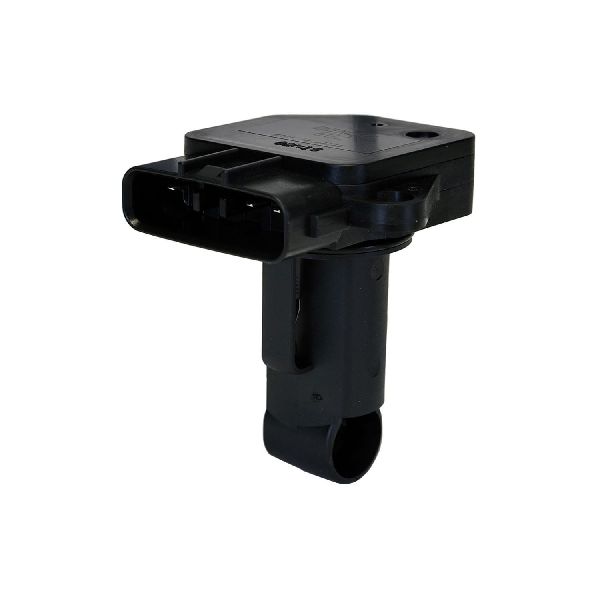
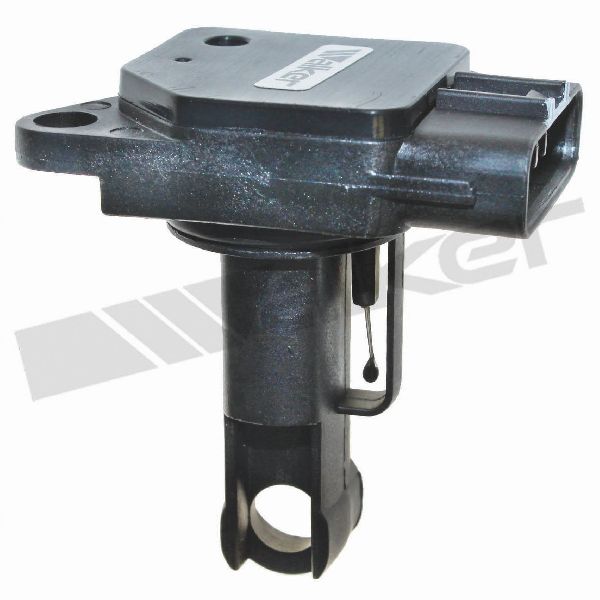
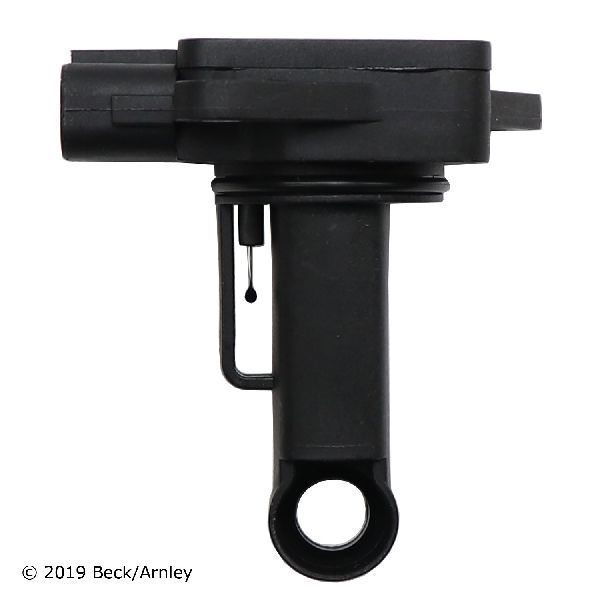
The MAF sensor for the Mazda 5 is a 'sensor-only' insert style part, typically with a 5-pin electrical connector. It does not include the housing, which is part of the air intake tube.
We Have This Part in Stock



The information in this article is provided for general reference and educational purposes only. Vehicle specifications, procedures, and part compatibility can vary by production date, trim level, and region. Always consult your vehicle's factory service manual and verify part numbers before purchasing or performing repairs. Safety-critical components such as airbags, seat belts, and braking systems should be installed by a qualified professional.
- Mazda 5:
- 🎬 Helpful Videos
- 🛍️ Shop This Part
- Signs of a Failing MAF Sensor
- Try Cleaning It First
- Choosing the Right Aftermarket MAF Sensor
- Tier 1: OEM & Premium Aftermarket (Recommended)
- Tier 2: Reputable Aftermarket
- Tier 3: Economy & Remanufactured (Use with Caution)
- A Note on Engine Generations
- Cost of Replacing a Mazda 5 MAF Sensor
- Simple Installation Guide
- Frequently Asked Questions
- 🎟️ Get 5% Off