

Audi A6 Engine Oil Cooler Guide (2006-2018): Symptoms and Replacement
Is your Audi A6 showing signs of oil and coolant mixing? This guide covers the common failure points.
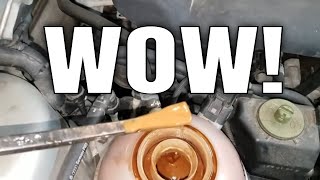
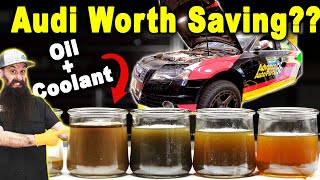
- The most critical symptom is oil mixing with coolant, creating a 'milkshake' sludge in the coolant tank.
- This job is very labor-intensive; it's wise to replace other nearby parts like the PCV valve and water pump at the same time.
- Do not drive the vehicle if you suspect an oil cooler failure, as it can lead to catastrophic engine damage.
- After replacement, the entire cooling system must be thoroughly flushed to remove oil contamination.
Understanding Engine Oil Cooler Failure in the Audi A6


The engine oil cooler is a critical component that often gets overlooked until it fails. In the 2006-2018 Audi A6 (C6 and C7 generations), a failing oil cooler can lead to serious engine problems. The most common failure isn't an external leak, but an internal one, where the seals between the oil and coolant passages break down. Because oil pressure is much higher than coolant pressure, oil gets forced into the cooling system, creating a thick, sludgy mess often called a "milkshake."
Key Symptoms of a Failing Oil Cooler
- Oil in the Coolant: The most definitive sign is a thick, milky, or brown sludge in your coolant expansion tank. This contamination can clog the entire cooling system, including the radiator and heater core.
- Engine Overheating: If the cooler is clogged or the cooling system is full of oil, your engine can't cool itself effectively, leading to overheating.
- External Leaks: While less common, the gaskets sealing the cooler to the engine can fail, causing visible oil or coolant leaks on the ground under the front of the engine.
- Warning Lights: A failure can trigger the check engine light, oil pressure warning, or engine temperature light on your dashboard.
Choosing the Right Aftermarket Oil Cooler
When replacing the oil cooler, you don't have to buy an expensive OEM part from the dealer. Several aftermarket brands offer quality replacements that provide good value. The key is to choose a reputable brand, as the labor for this job is extensive, and you don't want to do it twice.
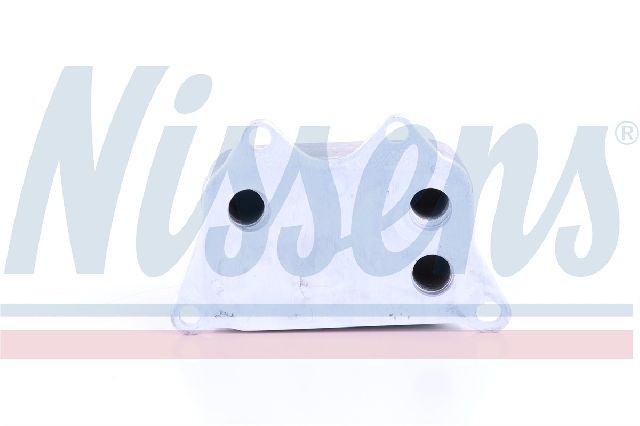
- Premium Tier (Febi, Nissens): Brands like Febi and Nissens are well-regarded in the European auto parts world. They are often OEM suppliers for various parts and are known for quality and fitment that is very close to original equipment. They are an excellent choice for a balance of price and reliability.
- Mid-Tier (Vemo, Dorman): Dorman is a massive aftermarket supplier known for creating solutions to common OEM problems. While some of their parts can have mixed reviews, their oil coolers are generally considered a solid standard replacement. Vemo is another established brand offering reliable parts.
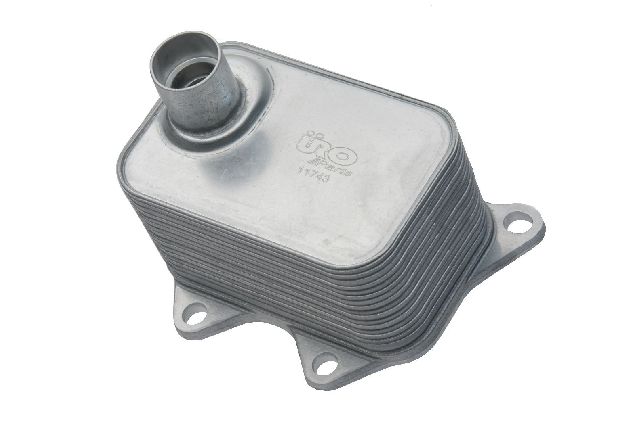
- Economy Tier (URO Parts, Skyward): URO Parts is known for being a budget-friendly option. While they have improved over the years, some users report concerns about long-term durability compared to premium brands. For a part that is so difficult to access, it may be worth spending more for a higher-tier brand. Skyward is a less common brand with limited public reputation information.
Estimated Replacement Costs
| Part/Service | Estimated Cost |
|---|---|
| New OEM Part | $412 - $478 |
| New Aftermarket Part | $44 - $384 |
| Shop Labor | $437 - $1,100+ |
| Total Professional Replacement | $848 - $1,500+ |
Note: Costs are estimates and will vary based on your location, vehicle's engine, and the specific shop. The job is significantly more labor-intensive on V8 models.
Frequently Asked Questions (FAQ)
Can I just replace the gaskets instead of the whole oil cooler?
If the leak is external and confirmed to be from the mounting gaskets, you can just replace the seals. However, the most common and serious failure is internal. If you have oil in your coolant, the entire oil cooler unit must be replaced.
After replacement, what else needs to be done?
This is critical: the entire cooling system MUST be flushed multiple times to remove all oil contamination. Any remaining oil sludge can cause blockages and lead to future overheating problems. An engine oil and filter change is also required to remove any coolant that may have entered the oil system.
🎬 Watch: Can an engine be saved after coolant and oil mix?Are there any recalls for the Audi A6 oil cooler?
There is no direct recall for the engine oil cooler itself. However, for 4.0T V8 engines, a related recall (NHTSA 21V535000 / Audi 21H7) was issued for a clogged turbocharger oil strainer, which can be damaged by debris from a failing oiling system. It is highly recommended to address this strainer during an oil cooler replacement on these engines. There was also a recall for some 2012-2015 A6 models with the 2.0T engine for an electric coolant pump that could fail.
Is an aftermarket oil cooler good enough for my Audi?
Yes, a high-quality aftermarket part from a reputable brand like Febi or Nissens can be a reliable and cost-effective alternative to an OEM part. Given the high labor cost, avoid the cheapest options, as a premature failure will be very expensive in the long run.
Helpful Videos
Technical Specifications
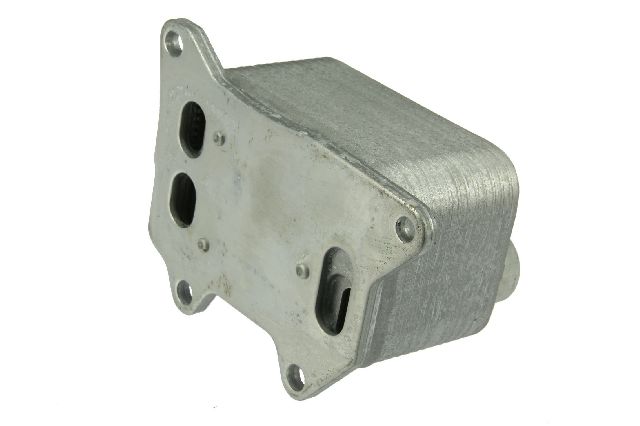
OEM Part Numbers: 059117021R 06E117021G 06E117021K
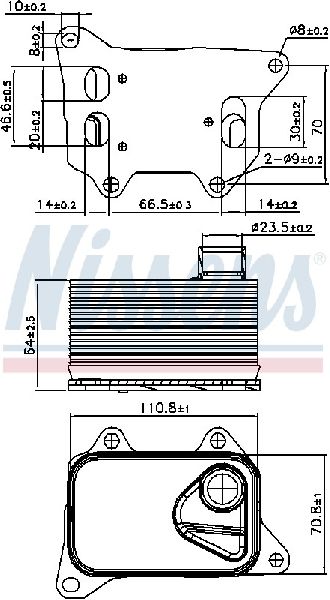
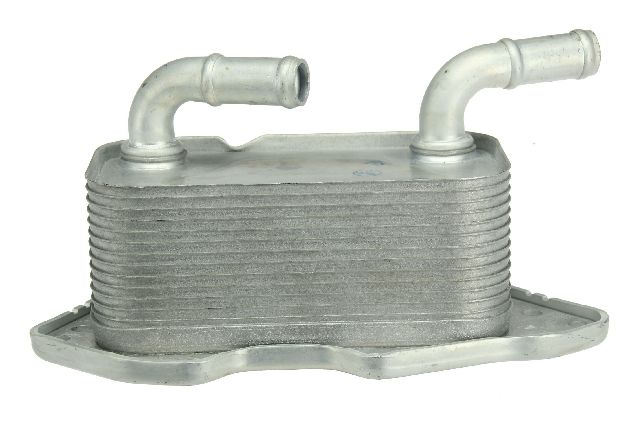
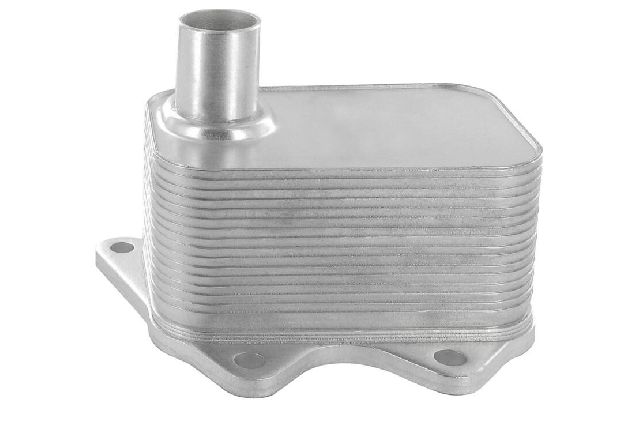
The Audi A6 uses a plate-fin style, oil-to-coolant heat exchanger. It is typically mounted in the engine valley or on the side of the engine block, integrated with the oil filter housing.
We Have This Part in Stock

The information in this article is provided for general reference and educational purposes only. Vehicle specifications, procedures, and part compatibility can vary by production date, trim level, and region. Always consult your vehicle's factory service manual and verify part numbers before purchasing or performing repairs. Safety-critical components such as airbags, seat belts, and braking systems should be installed by a qualified professional.
- Audi A6: