

Engine Coolant Temperature Sensor Guide for the 2006-2019 BMW 750i
Keep your V8 running smoothly by understanding this critical, but simple, engine sensor.
- A faulty Engine Coolant Temperature sensor can cause poor fuel economy, a check engine light, and overheating risks.
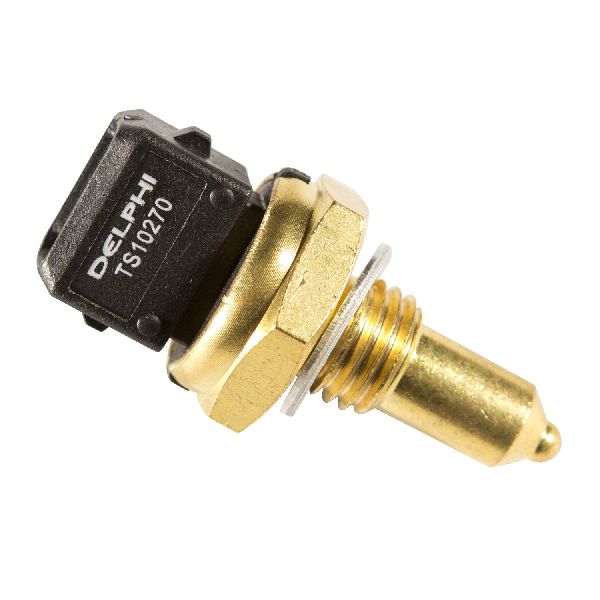
- Choose high-quality aftermarket brands that are known OEM suppliers, like Delphi or NGK, for reliability.
- Diagnose the correct sensor before purchasing; your 750i may have more than one temperature sensor.
- Replacement is a manageable DIY task, but you must let the engine cool completely before starting.
Understanding the Coolant Temperature Sensor in Your 750i
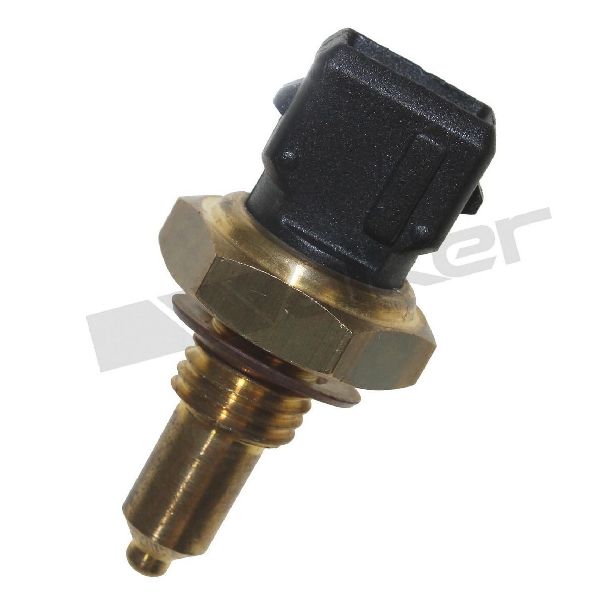
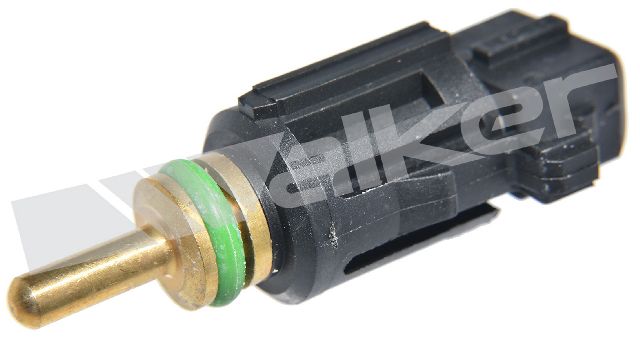
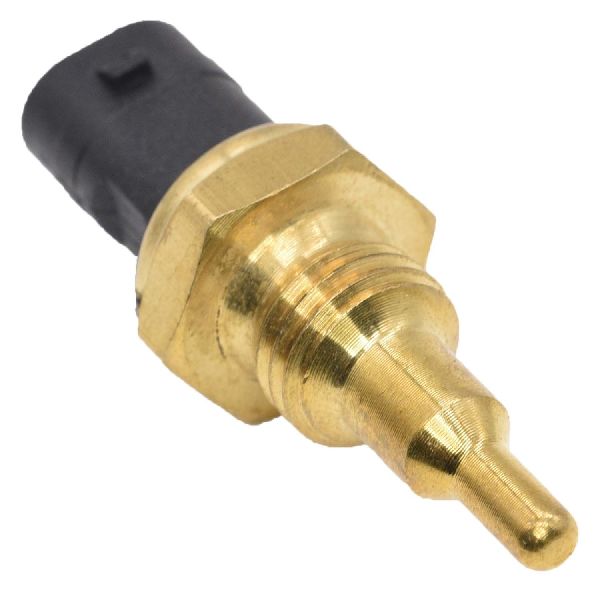
For a high-performance engine like the V8 in your 2006-2019 BMW 750i, precise temperature management is everything. The Engine Coolant Temperature (ECT) sensor is the key informant for the engine's computer, the DME. It tells the DME how hot or cold the engine is, which affects everything from how the car starts in the morning to how it performs under pressure. A faulty sensor can send incorrect information, leading to a host of problems that can be difficult to diagnose if you don't know the signs.
Is an Aftermarket Sensor a Good Choice for Your BMW?
When it comes to sensors on a complex vehicle like a 750i, quality is crucial. The choice between Original Equipment Manufacturer (OEM) and aftermarket isn't always simple.
- OEM Suppliers: Brands like Delphi and NGK are often the original suppliers to BMW. Choosing a sensor from one of these brands usually gets you the exact same part that came in the blue and white BMW box, but for a fraction of the price. This is the smartest choice for most owners.
- Quality Aftermarket: Brands such as Beck Arnley, Vemo, and Standard Ignition have a generally good reputation. Beck Arnley often re-boxes parts from OEM suppliers. These are a solid second choice if an OEM supplier part is not available.
- Economy Brands: URO Parts and other lower-priced brands have a mixed reputation in the BMW community. While some of their parts are fine, a critical sensor like the ECT is not the place to save a few dollars. A bad sensor can cause poor running conditions that cost you more in fuel and potential diagnostic time than you saved on the part.
Pro Tip: Many BMWs have more than one temperature sensor. For example, there is often one on the engine block or cylinder head for the DME and another on the lower radiator hose for the cooling fan logic. It's critical to diagnose which sensor has failed before ordering a replacement. A diagnostic scan tool that can read BMW-specific codes is the best way to do this.
Symptoms of a Failing Coolant Temperature Sensor
A bad ECT sensor can mimic other, more serious problems. 🎬 Watch: 8 common symptoms of a failing coolant temperature sensor Look out for these common signs:
- Check Engine Light: The most common sign is an illuminated check engine light. You may see fault codes like P0117 (Sensor Circuit Low), P0118 (Sensor Circuit High), or P0128 (Coolant Thermostat Malfunction).
- Poor Fuel Economy: If the sensor tells the DME the engine is cold when it's not, the computer will inject extra fuel, hurting your gas mileage.
- Black Smoke from Exhaust: A very rich fuel mixture can result in black smoke from the tailpipe, especially during acceleration.
- Cooling Fans Run Constantly or Not at All: The sensor's reading controls the fan speed. A failed sensor might cause the fans to run on high all the time, or not turn on when needed, risking overheating.
- Hard Starting: The engine may be difficult to start, either when it's cold or after it has warmed up.
Warning: Do not confuse the Engine Coolant Temperature Sensor with the Coolant Level Sensor. The level sensor triggers a low coolant warning light on your dash, but it does not read the temperature. A low coolant light with a full reservoir can indicate a bad level sensor.
Known Issues, Recalls, and TSBs
While there are no direct recalls for the engine coolant temperature sensor itself on the 2006-2019 750i, there are related cooling system notices. BMW has issued a warranty extension for the engine thermostat on some N63R-powered models (around 2018) to 15 years/150,000 miles. A faulty thermostat can cause codes and symptoms similar to a bad sensor. Additionally, other recalls have been issued for electric water pumps on different BMW models, highlighting the importance of maintaining the entire cooling system. Always check with a dealer or using your VIN on the NHTSA website for any open recalls or warranty extensions.
Cost of Replacement
| Part Type | Price Range |
|---|---|
| New Aftermarket Sensor | $19 - $69 |
| New OEM (Dealer) Sensor | $48 - $120 |
| Shop Labor Cost | $191 - $281 |
| Estimated Total (Shop) | $379 - $496 |
Frequently Asked Questions
Where is the coolant temperature sensor located on my 750i?
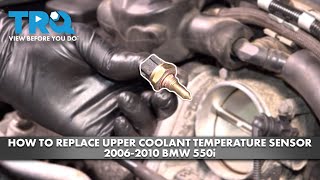
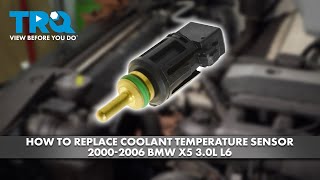
The location can vary by engine generation. On N62 engines (2006-2008), it's often on a coolant pipe. 🎬 See this walkthrough for replacing the upper sensor on N62 engines On N63 engines (2009-2019), there is often a sensor on the cylinder head and another on the radiator outlet hose. 🎬 Watch: How to replace the coolant sensor on N63 engines Always verify the location for your specific model year before starting work.
Can I replace the sensor myself?
Yes, this is a DIY-feasible job for someone with basic tools. The main challenges are accessing the sensor, which may require removing engine covers or other components, and minimizing coolant loss. If you are quick, you can swap the sensor with only a small amount of coolant spillage. Always let the engine cool down completely before opening the cooling system to avoid burns.
Do I need to drain the coolant to replace the sensor?
While the official procedure involves draining the coolant, many DIYers replace the sensor without a full drain. If the engine is cold and you open the coolant reservoir cap to release any pressure, you can quickly unscrew the old sensor and install the new one. Have the new sensor ready to go to minimize coolant loss. A small pan underneath is recommended to catch any spills.
My coolant light is on, but the coolant level is full. Is it this sensor?
No. The low coolant warning light is triggered by the coolant level sensor, which is a different part located in the bottom of the coolant expansion tank. If the light is on but the tank is full, you likely need a new level sensor, not a temperature sensor.
What is the difference between the sensor on the engine and the one on the radiator?
The sensor on the engine (usually in the cylinder head) provides the primary temperature reading for the DME to control fuel and ignition. The sensor on the radiator outlet measures the coolant temperature after it has been cooled, and this reading is primarily used to control the electric fan speed. A failure of either can cause problems.
Helpful Videos

Technical Specifications
OEM Part Numbers: 13621433076 13627580635 13628650714
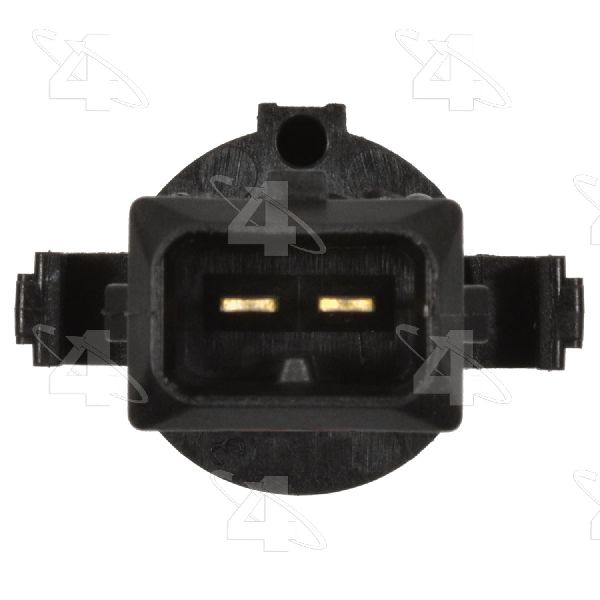
The sensor is a two-pin Negative Temperature Coefficient (NTC) thermistor. Its resistance decreases as the coolant temperature increases. The DME sends a 5V reference signal and reads the change in voltage as the resistance changes to determine the temperature.
We Have This Part in Stock


The information in this article is provided for general reference and educational purposes only. Vehicle specifications, procedures, and part compatibility can vary by production date, trim level, and region. Always consult your vehicle's factory service manual and verify part numbers before purchasing or performing repairs. Safety-critical components such as airbags, seat belts, and braking systems should be installed by a qualified professional.
- BMW 750i: