

Lexus GS300 (2006-2019) Ignition Knock Sensor: A Replacement Guide
A critical look at replacing the knock sensor on your Lexus GS300 to restore performance and protect your engine.
- First, confirm if you have the 2006 V6 or the 2018-19 4-cylinder; the repair is vastly different.
- For the 2006 V6, the job is labor-intensive. Use a high-quality OEM-equivalent brand like NGK/NTK or Delphi to avoid repeat repairs.
- Always replace the short wiring harness along with the sensors on the V6 model, as it is a common point of failure.
- A knock sensor code on a high-mileage 2006 V6 could be related to carbon buildup, which should be investigated.
A Critical Note on Vehicle Model Years
It is extremely important to identify your specific vehicle before buying parts. The "Lexus GS300" name was used on two very different cars in North America during this period:
- 2006 GS300: This model uses a 3.0L V6 engine (3GR-FSE). The knock sensors are located deep in the engine valley, under the intake manifold.
- 2018-2019 GS300: This model uses a 2.0L Turbo 4-cylinder engine (8AR-FTS). The knock sensor is in a different, more accessible location on the engine block.
This guide will cover both, but be aware that the replacement difficulty, labor cost, and part recommendations differ significantly between them.
Symptoms of a Failing Knock Sensor
A bad knock sensor will usually trigger the Check Engine Light. Your vehicle's computer is smart enough to know when the signal from the sensor is missing or incorrect. Common symptoms include:
- Check Engine Light: You will likely see trouble codes such as P0325, P0330, or P0332.
- Reduced Engine Power: The computer will put the engine into a safe mode to prevent damage, which results in sluggish acceleration.
- Poor Fuel Economy: With the ignition timing not optimized, your engine will use more fuel than necessary.
- Audible Engine Ping or Knock: You may hear a metallic pinging sound, especially when the engine is under load, like going up a hill.
- Failed Emissions Test: Improper combustion will lead to higher emissions.
Choosing the Right Aftermarket Knock Sensor
For a sensitive engine management part, brand quality matters. This is especially true for the 2006 V6 model, where the high labor cost of replacement makes doing the job twice a costly mistake. Forum users and mechanics strongly advise against using cheap, unbranded parts for this repair.
Brand Quality Tiers
- OEM-Equivalent Brands (Recommended for V6): Brands like NGK (NTK) and Delphi are often original equipment manufacturers for many car brands. They are known for their reliability and are considered the safest aftermarket choice. Given the difficult installation on the V6, spending more on a quality sensor from these brands is a wise investment.
- Reputable Aftermarket Brands: Beck Arnley, Standard Ignition, and Walker Products are established aftermarket brands that offer a balance of quality and price. These can be a solid choice, especially for the more accessible 4-cylinder engine where labor is not as much of a concern.
- Value Brands: Brands like True Tech and Global Parts are budget-focused. While tempting, the risk of premature failure is higher. These are generally not recommended for the V6 engine due to the high cost of labor for installation.
Pro Tip for 2006 GS300 V6 Owners: The 3GR-FSE engine is known for potential carbon buildup issues. Sometimes, a knock sensor code is triggered by actual engine knock caused by carbon, not a faulty sensor. If your car has high mileage, it's worth discussing a carbon cleaning service with your mechanic when you replace the sensors.
Replacement Cost Breakdown
The cost to replace a knock sensor varies widely depending on your engine. The 2006 V6 is a labor-intensive job, while the 2018 I4 is much simpler.
| Item | 2006 GS300 (V6) Cost | 2018-2019 GS300 (I4) Cost |
|---|---|---|
| New OEM Sensor (Part Only) | $329 - $365 | $250 - $400 (Est.) |
| New Aftermarket Sensor (Part Only) | $48.85 - $140.52 | $48.85 - $140.52 |
| Shop Labor | $450 - $650+ | $100 - $200 |
| Estimated Total (Aftermarket Part) | $500 - $790 | $150 - $340 |
| Estimated Total (OEM Part) | $780 - $1015+ | $350 - $600 |
Cost estimates are approximate and can vary based on your location and the specific repair shop. Labor for the V6 model is high because the intake manifold must be removed to access the sensors.
Frequently Asked Questions
How many knock sensors does my GS300 have?
The 2006 V6 engine has two knock sensors (Bank 1 and Bank 2), as it has two cylinder banks. The 2018-2019 4-cylinder engine typically uses one or two sensors, but they are on a single bank.
Can I drive with a bad knock sensor?
You can drive for a short time, but it is not recommended. Your engine's performance and fuel economy will be poor, and you risk causing long-term, expensive damage to internal engine components by allowing detonation to occur unchecked.
Why is the replacement so expensive on the 2006 V6?
The high cost is almost entirely due to labor. The two knock sensors are located in the valley of the engine, underneath the entire intake manifold assembly. A mechanic must spend several hours disassembling the top of the engine to reach them, and then reassemble it. This is a 4-6 hour job.
Should I replace the wiring harness at the same time?
Yes, especially on the 2006 V6. The wiring harness sits in the hot engine valley and becomes brittle and fails over time. Many knock sensor codes are actually caused by a bad harness, not the sensor itself. Since the labor to get to the parts is so high, it is critical to replace the sensors and the short harness together to ensure a lasting repair.
Are there any recalls for the knock sensor?
As of early 2026, there are no specific recalls or technical service bulletins (TSBs) from Lexus or the NHTSA for knock sensor failure on the 2006-2019 GS300.
Technical Specifications
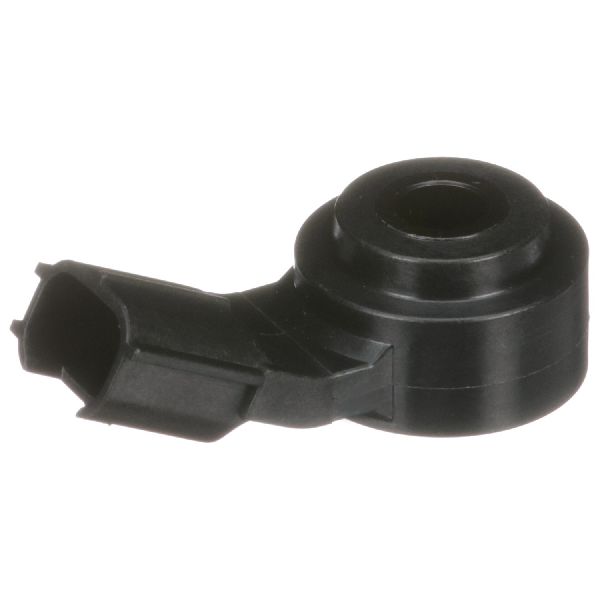
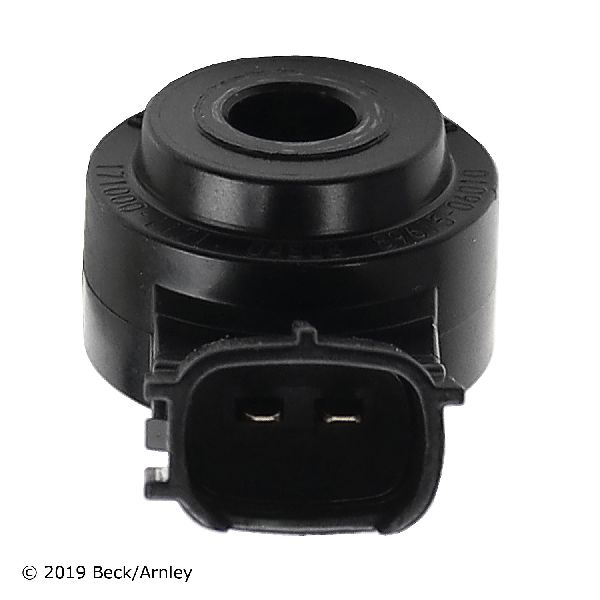
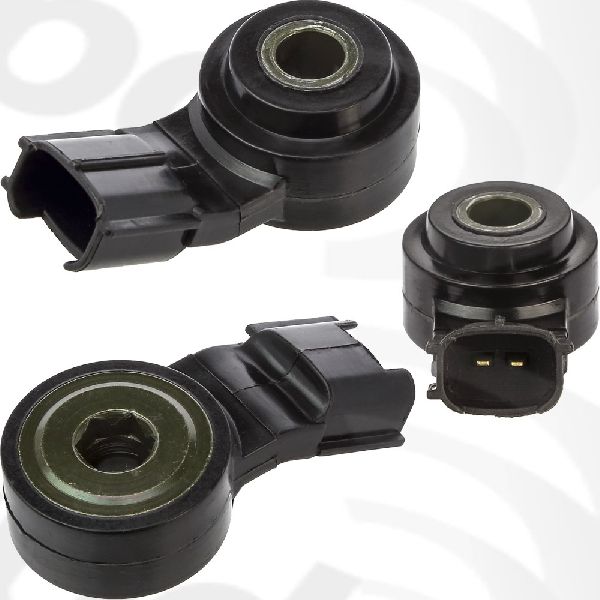
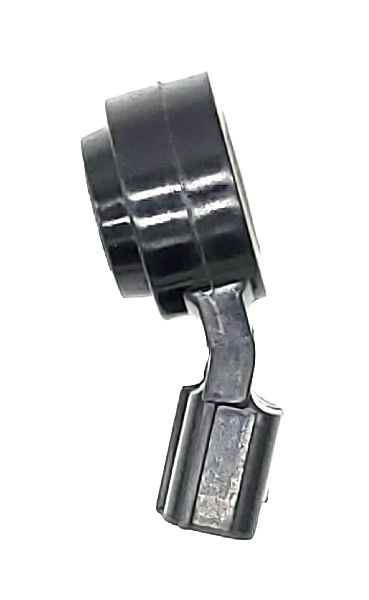
The 2006 V6 model requires two sensors, while the 2018-2019 I4 model uses one or two. The sensors are piezoelectric microphones calibrated to detect specific frequencies associated with engine knock. They typically use a 1 or 2-wire connector.
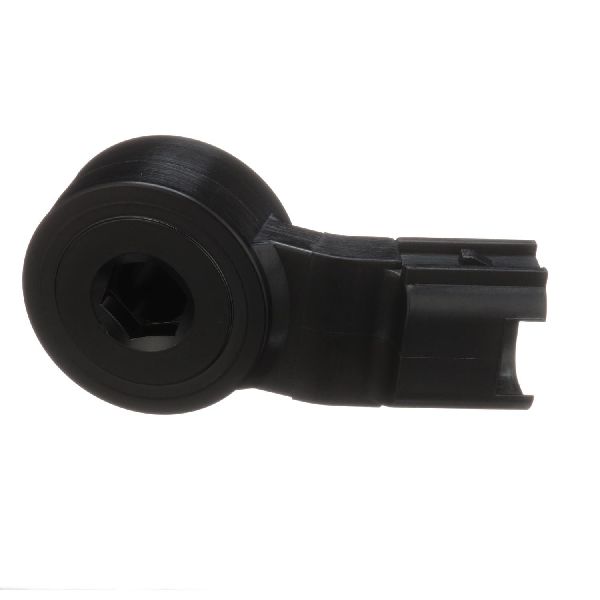
We Have This Part in Stock


The information in this article is provided for general reference and educational purposes only. Vehicle specifications, procedures, and part compatibility can vary by production date, trim level, and region. Always consult your vehicle's factory service manual and verify part numbers before purchasing or performing repairs. Safety-critical components such as airbags, seat belts, and braking systems should be installed by a qualified professional.
- Lexus GS300: