

Ford Fusion Crankshaft Position Sensor: A Complete Guide for 2006-2020 Models
Engine stalling or refusing to start? Your Fusion's crankshaft position sensor might be the culprit.
- A failing crankshaft sensor on a Fusion typically causes stalling, a no-start condition, or a rough running engine with a P0335 code.
- For this critical part, choose an OEM (Motorcraft) or OEM-supplier (Delphi, Denso) brand to avoid compatibility issues.
- Some Fusion engines require a special computer 'relearn' procedure after replacement; check your service manual before starting a DIY job.
- If you have a 2015-2020 2.0L EcoBoost with rattling or no-start symptoms, investigate the TSB for a cracked flexplate before replacing sensors.
Is Your Ford Fusion Stalling or Not Starting?

A failing crankshaft position sensor is a common problem that can leave you stranded. This small sensor plays a huge role in how your engine runs. When it starts to go bad, it sends weak or incorrect signals to your car's computer, leading to a variety of noticeable issues. Because it can fail without much warning, it's important to recognize the symptoms and replace it with a quality part to keep your Fusion reliable.
Common Symptoms of a Bad Crankshaft Sensor


If your Fusion's crankshaft sensor is failing, you'll likely experience one or more of these issues:
- Check Engine Light: This is often the first warning. A scan tool will usually show code P0335 or P0339.
- Engine Won't Start: The engine will turn over (crank) but won't fire up because the computer doesn't know when to create a spark.
- Stalling: The engine may stall unexpectedly, especially after it has warmed up. It might start again after cooling down, only to stall again later.
- Rough Running: You may feel engine vibrations, misfires, or a rough idle.
- Poor Performance: Hesitation during acceleration and a noticeable loss of power are common symptoms.
- Worse Gas Mileage: When ignition and fuel timing are off, your engine burns fuel less efficiently.
Known Issue: Cracked Flexplate on 2.0L EcoBoost (2015-2020)
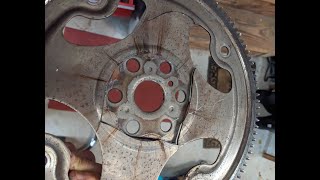
Some 2015-2020 Fusions with the 2.0L EcoBoost engine have a known issue with cracked flexplates. Ford issued a Customer Satisfaction Program (22N12) for this problem. Symptoms can include a rattling noise from the transmission area, vibration, or even a no-start condition, which can sometimes be mistaken for a bad crankshaft sensor. If you have a 2.0L model and hear rattling, it's worth investigating this TSB with your dealer.
🎬 See how to diagnose a cracked EcoBoost flexplate.Choosing the Right Aftermarket Crankshaft Sensor

For a critical sensor like the CKP, part quality matters. While you can save money with an aftermarket part, choosing the wrong brand can lead to continued problems or premature failure. Here’s how the available brands generally stack up for your Fusion.
Pro Tip: For critical sensors, it's often best to stick with the OEM (Motorcraft) or an OEM-supplier brand. The small extra cost is worth the peace of mind, as some cars can be picky about sensor electronics.
Tier 1: OEM & OEM-Equivalent
- Motorcraft: This is Ford's own brand and the original part your car came with. It guarantees perfect fit and electronic compatibility.
- Delphi: A well-respected brand that is an original equipment supplier for many automakers. Often considered a top-tier aftermarket choice with quality matching OEM.
- Denso: Another major OEM supplier known for high-quality electronics. A very reliable option if available for your specific model.
- NGK/NTK: While famous for spark plugs, their sensor line (NTK) is also highly regarded and often meets or exceeds OEM standards.
Tier 2: Quality Aftermarket
- Hitachi: A Japanese company that also produces some original equipment parts; a solid and reliable choice.
- Standard Ignition (SMP): A long-standing aftermarket brand. They sometimes re-box the actual OEM part, offering the same quality for less money. Their quality is generally considered good.
- Beck Arnley: This brand specializes in sourcing parts that match the original's country of origin and quality, making them a dependable option.
- Hella: A German brand with a strong reputation for quality electronic components.
Tier 3: Economy Options
- Dorman: Offers a wide range of parts, but quality can be inconsistent. While some parts are fine, they are more likely to have issues than premium brands.
- Walker Products, Holstein, Global Parts, True Tech, Spectra: These brands fall into the budget category. They can be a solution if cost is the primary concern, but for a critical sensor like the CKP, they carry a higher risk of failure or incorrect readings.
Ford Fusion Crankshaft Sensor Costs
| Part Type | Estimated Cost | Notes |
|---|---|---|
| New OEM (Motorcraft) | $110 - $182 | Highest quality and guaranteed compatibility. |
| New Aftermarket | $20 - $138 | Price varies widely by brand quality. |
| Shop Labor | $120 - $240 | Typically 1-1.5 hours of work. Rates vary by shop and location. |
| Total Professional Replacement | $180 - $420 | Using an aftermarket or OEM part. |
Frequently Asked Questions

Where is the crankshaft position sensor located on my Ford Fusion?
The location varies by engine. For example, on many 2006-2012 models with the 3.0L V6, it's on the passenger side rear of the engine, accessed through the wheel well. On 2013-2020 2.0L models, it's on the driver's side at the bottom of the engine near the main pulley. On 2.3L and 2.5L engines, it's typically behind the crankshaft pulley. Always consult a repair manual for your specific engine before starting.
Can I replace the crankshaft sensor myself?
Yes, this is a DIY-feasible job for someone with basic mechanical skills. It usually involves safely jacking up the car, removing a wheel and a plastic splash shield for access. However, be aware that some Fusion engines require a special alignment tool or a computer-based "relearn" procedure after installation for the engine to run correctly. If this procedure is not done, you may have a crank-no-start issue even with a new part.
Do I need to do a 'relearn' procedure after replacing the sensor?
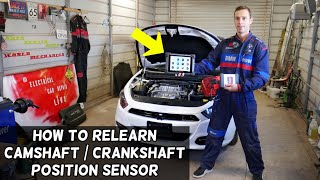
For some Ford Fusion models, yes. After replacing the sensor, the computer may need to perform a "Misfire Monitor Neutral Profile Correction" procedure. This requires a factory-level scan tool. 🎬 Watch: Four quick methods for a crankshaft sensor relearn. Without this step, the car might not start or run properly. Check a repair manual for your specific year and engine to see if this is required.
Should I buy an OEM Motorcraft sensor or a cheaper aftermarket one?
For this specific part, it is highly recommended to use either an OEM Motorcraft sensor or a top-tier aftermarket brand like Delphi or Denso. The engine's computer is very sensitive to the signal from the crankshaft sensor. Cheaper sensors are known to fail prematurely or provide a slightly incorrect signal, which can cause persistent running issues that are hard to diagnose.
Helpful Videos

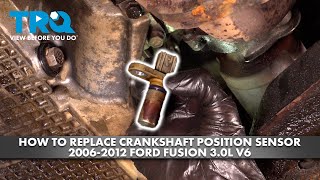
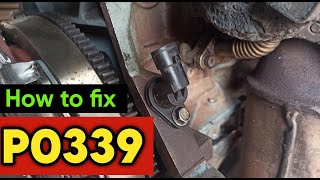
![How to Fix P0339 Engine Code in 2 Minutes [1 DIY Method / Only $9.35]](https://img.youtube.com/vi/xB39ylv2o6w/mqdefault.jpg)
Technical Specifications
OEM Part Numbers: DY-1046 BM5Z-6C315-A
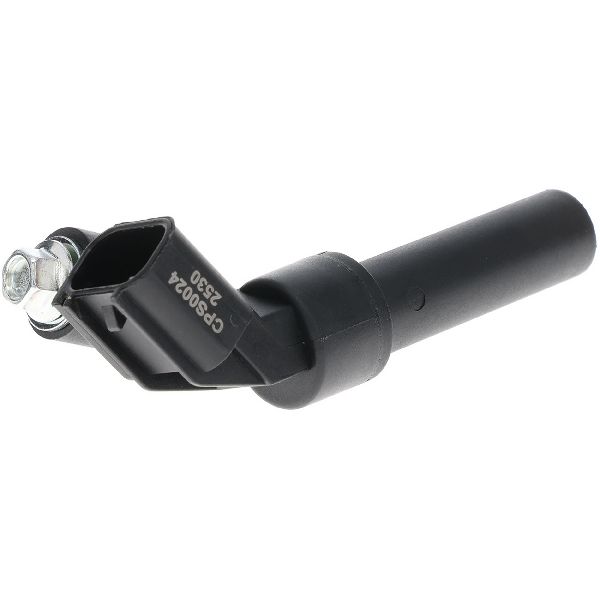
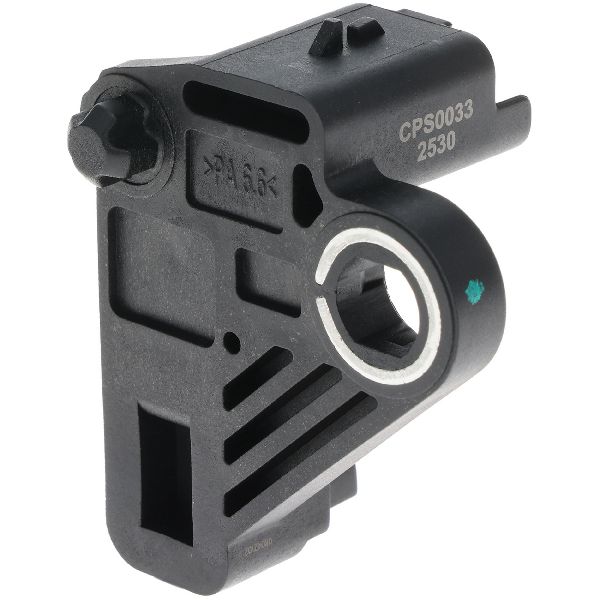
The sensor is a magnetic hall-effect or variable reluctance sensor that reads teeth on a reluctor wheel on the crankshaft to determine its speed and position. It typically has a 2 or 3-pin electrical connector.
We Have This Part in Stock


The information in this article is provided for general reference and educational purposes only. Vehicle specifications, procedures, and part compatibility can vary by production date, trim level, and region. Always consult your vehicle's factory service manual and verify part numbers before purchasing or performing repairs. Safety-critical components such as airbags, seat belts, and braking systems should be installed by a qualified professional.
- Ford Fusion:
- 🎬 Helpful Videos
- 🛍️ Shop This Part
- Is Your Ford Fusion Stalling or Not Starting?
- Common Symptoms of a Bad Crankshaft Sensor
- Known Issue: Cracked Flexplate on 2.0L EcoBoost (2015-2020)
- Choosing the Right Aftermarket Crankshaft Sensor
- Tier 1: OEM & OEM-Equivalent
- Tier 2: Quality Aftermarket
- Tier 3: Economy Options
- Ford Fusion Crankshaft Sensor Costs
- Frequently Asked Questions
- 🎟️ Get 5% Off