

A Guide to the Oxygen Sensor for the 2006-2020 Toyota Yaris
Understanding when and how to replace your Yaris's oxygen sensor to maintain fuel economy and engine health.
- Choose a Denso or NGK direct-fit sensor for the best quality and easiest installation on your Yaris.
- A bad oxygen sensor will cause poor fuel economy and can eventually damage your expensive catalytic converter.
- Symptoms like a rough idle on a 2019-2020 Yaris could also be caused by a faulty fuel pump, which was subject to a recall.
- Replacing the sensor is a feasible DIY job, but a special 22mm O2 sensor socket is highly recommended.
Is Your Toyota Yaris Oxygen Sensor Failing?

A failing oxygen sensor is one of the most common reasons for a check engine light on a Toyota Yaris. When it goes bad, the engine's computer has to guess how much fuel to inject, and it usually guesses on the rich side, meaning too much fuel. This can cause a variety of noticeable problems. Ignoring them can lead to more expensive repairs down the road, including damage to the catalytic converter.
Common Symptoms of a Bad O2 Sensor:
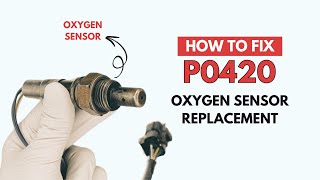
- Check Engine Light: The most obvious sign. Common codes include P0135, P0141, and P0420. 🎬 Watch this complete guide to fixing the P0420 error code.
- Worse Gas Mileage: Your car will burn more fuel than necessary because the air-fuel mixture is incorrect.
- Rough Idle and Misfires: The engine may shake, hesitate, or run unevenly, especially when stopped.
- Sluggish Performance: You might notice your Yaris feels weak or slow to accelerate.
- Rotten Egg Smell: A strong smell of sulfur or gasoline from the exhaust is a sign of a rich fuel mixture.
- Failed Emissions Test: A bad O2 sensor is a frequent cause of failing a smog check.
Known Issues for 2019-2020 Yaris
Some 2019-2020 Yaris models were recalled for a faulty low-pressure fuel pump that can cause similar symptoms, such as a rough running engine and stalling. If you own a vehicle from these years, it's worth checking with a Toyota dealer to see if this recall applies to your car before replacing the oxygen sensor.
Choosing the Right Aftermarket Oxygen Sensor

You do not need to buy the most expensive sensor from a dealer. High-quality aftermarket brands offer excellent performance, often for a fraction of the price. For a Toyota, sticking with the original equipment manufacturer (OEM) is a smart choice.
Brand Quality Tiers for Toyota Yaris
- OEM-Equivalent (Best Choice): Denso is the original manufacturer for Toyota, so choosing a Denso aftermarket sensor is like getting the same part that came with your car from the factory. NGK (also sold as NTK) is another top-tier Japanese brand known for excellent quality and reliability, and is a trusted alternative.
- Reliable Aftermarket: Brands like Bosch and Delphi are major parts suppliers that produce quality sensors. While some mechanics prefer to stick with Denso or NGK for Japanese cars, these are solid, dependable options. Walker Products and Spectra also fall into this category.
- Budget-Friendly: Brands like DriveWire offer a lower-cost alternative. While functional, they may not have the same longevity or precise calibration as the top-tier brands.
Pro Tip: Buy Direct-Fit Sensors
Always choose a "direct-fit" sensor over a "universal" one. Universal sensors require you to cut your old connector and splice it onto the new sensor's wires. This adds time, complexity, and a potential point of failure. A direct-fit sensor plugs right in, making the job much easier, especially on the Yaris where the downstream sensor wire can run inside the car.
How Much Does an Oxygen Sensor Replacement Cost?

The cost depends on whether you do it yourself or take it to a shop. The Yaris has two oxygen sensors: an upstream (before the catalytic converter) and a downstream (after the catalytic converter). Prices can vary for each.
| Cost Type | Estimated Price Range |
|---|---|
| Shop Labor | $120 - $180 |
| New Aftermarket Part | $39 - $273 |
| New OEM Part | $250 - $540+ |
| Total Professional Replacement | $250 - $715+ |
Frequently Asked Questions

How many oxygen sensors does my Yaris have?
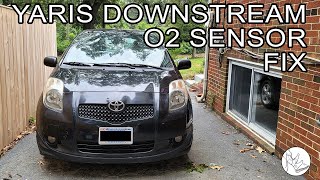
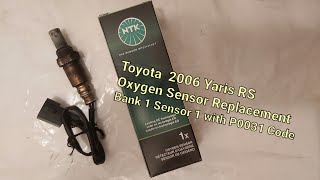
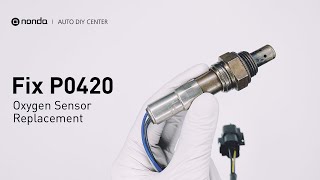
Most 2006-2020 Toyota Yaris models with the 1.5L engine have two oxygen sensors: one upstream (Bank 1, Sensor 1) 🎬 Watch this step-by-step guide for replacing the upstream sensor. and one downstream (Bank 1, Sensor 2). 🎬 See how to replace the downstream sensor and clear codes. The upstream sensor helps control the air-fuel mixture, while the downstream sensor primarily monitors the health of the catalytic converter.
Can I just clean my oxygen sensor?
While some online sources suggest cleaning an O2 sensor, it is generally not recommended. Contaminants can penetrate the sensor's ceramic element, and cleaning is unlikely to restore its proper function. Given the reasonable cost of a new aftermarket sensor, replacement is the only reliable solution.
What happens if I don't replace a bad oxygen sensor?
Continuing to drive with a failed O2 sensor will cause you to waste money on gas and you will fail any emissions tests. More seriously, a rich fuel mixture can eventually overheat and destroy your catalytic converter, a repair that can cost over a thousand dollars.
Is this a difficult DIY job?
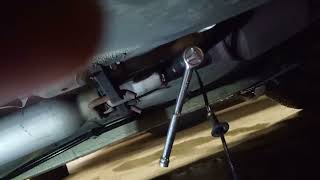
For a DIYer with the right tools, it's a manageable job. The main challenge is that the sensors can be seized in the exhaust pipe. Using penetrating oil and a special oxygen sensor socket (22mm or 7/8 inch) is highly recommended. Be aware that on some Yaris models, the downstream sensor wire goes through the floor into the cabin, which can make accessing the connector more difficult than the sensor itself.
Helpful Videos
Technical Specifications
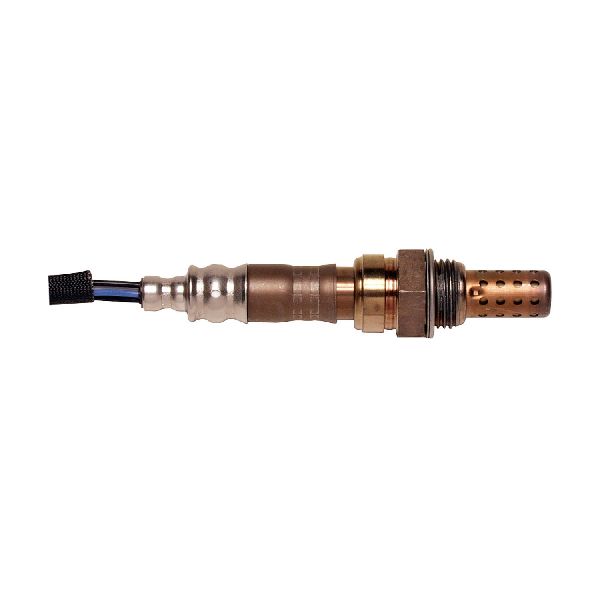
OEM Part Numbers: 89467-52020 89465-52380 89465-0D030
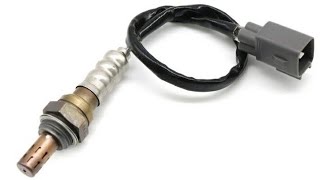
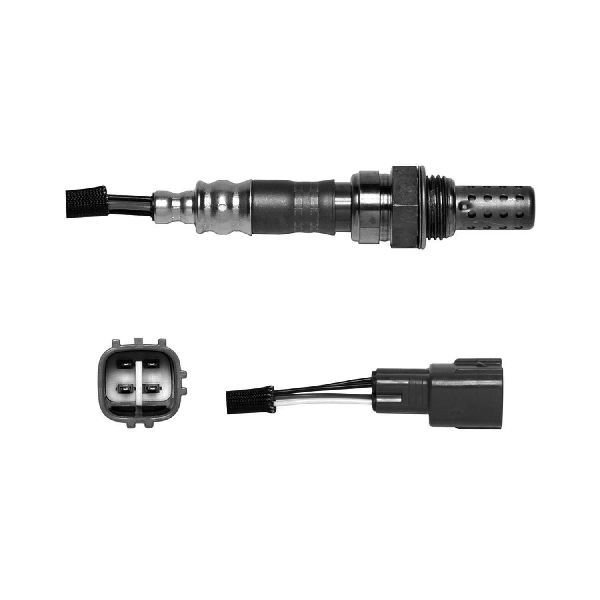
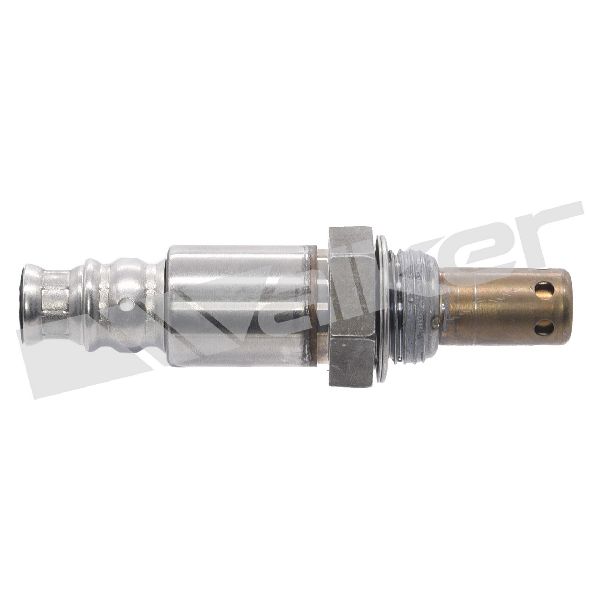
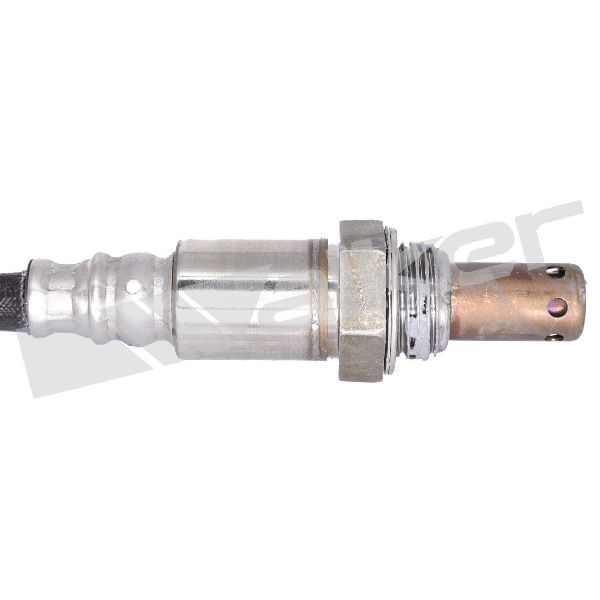
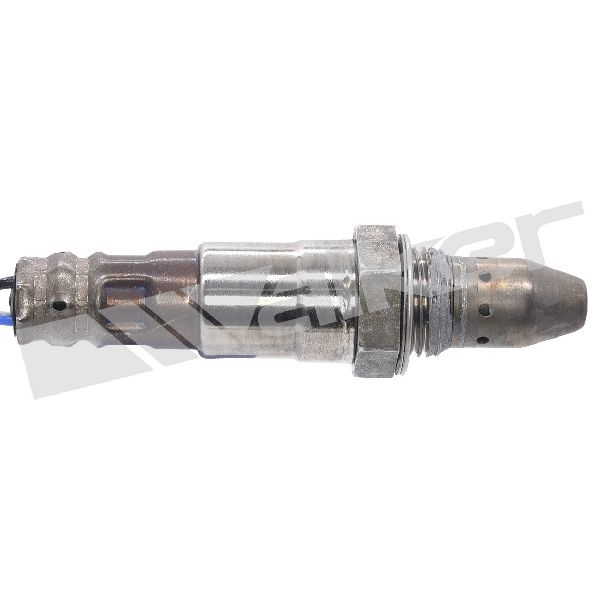
Most models use a 4-wire heated oxygen sensor. The upstream sensor is often called an Air/Fuel Ratio Sensor, while the downstream is a standard Oxygen Sensor. A 22mm or 7/8" wrench or socket is required for removal and installation.
We Have This Part in Stock


The information in this article is provided for general reference and educational purposes only. Vehicle specifications, procedures, and part compatibility can vary by production date, trim level, and region. Always consult your vehicle's factory service manual and verify part numbers before purchasing or performing repairs. Safety-critical components such as airbags, seat belts, and braking systems should be installed by a qualified professional.
- Toyota Yaris:
- 🎬 Helpful Videos
- 🛍️ Shop This Part
- Is Your Toyota Yaris Oxygen Sensor Failing?
- Common Symptoms of a Bad O2 Sensor:
- Known Issues for 2019-2020 Yaris
- Choosing the Right Aftermarket Oxygen Sensor
- Brand Quality Tiers for Toyota Yaris
- Pro Tip: Buy Direct-Fit Sensors
- How Much Does an Oxygen Sensor Replacement Cost?
- Frequently Asked Questions
- 🎟️ Get 5% Off