

Dodge Challenger Engine Cylinder Head Bolt Set: A Mechanic's Guide
Everything you need to know before replacing the head bolts on your 2006-2022 Dodge Challenger.
- Head bolts on all 2006-2022 Challengers are Torque-to-Yield (TTY) and MUST be replaced whenever the cylinder heads are removed.
- Symptoms of failure are actually signs of a bad head gasket, such as overheating, white exhaust smoke, and milky oil.
- This is a job for a professional mechanic; the labor cost is high due to the complexity of accessing the cylinder heads.
- High-quality aftermarket brands like Fel-Pro and Victor Reinz are reliable alternatives to more expensive OEM bolts.
Is it Time for New Head Bolts?
Cylinder head bolts themselves don't typically fail on their own. Instead, they are almost always replaced as part of a head gasket job. The symptoms you'll notice are actually from a failing head gasket, which the bolts are responsible for sealing. If you see these signs, it's time to have your engine inspected by a professional.
Critical Symptoms of Head Gasket Failure
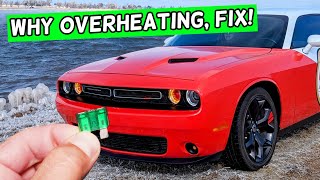
🎬 Watch: How to identify these head gasket leak symptoms- Engine Overheating: A common first sign is the temperature gauge climbing into the red. A bad gasket can let hot combustion gases into the cooling system, overwhelming it.
- White Smoke from Exhaust: Sweet-smelling white smoke indicates coolant is leaking into the cylinders and being burned off.
- Milky, Foamy Oil: Check your dipstick and oil cap. If the oil looks like a chocolate milkshake, coolant is mixing with your oil, which can destroy the engine.
- Unexplained Coolant Loss: If you're constantly adding coolant but can't find a leak, it might be burning in the engine.
- Bubbling in Radiator: With the engine cool, removing the radiator cap and seeing bubbles can mean combustion gases are being forced into the cooling system.
Known Issues, Recalls, and Service Bulletins
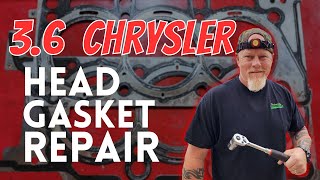
While there are no specific recalls for Dodge Challenger engine cylinder head bolts, it's important to be aware of related issues. Some early 3.6L Pentastar V6 engines (2011-2013 model years) were known to have issues with the left cylinder head, which could lead to misfires and require head replacement. A Technical Service Bulletin (TSB) was issued for this, and a warranty extension was provided for the affected part. 🎬 See this walkthrough on replacing Pentastar V6 head gaskets Another TSB for some 2018-2022 3.6L engines addresses a spark knock condition that requires removing the cylinder heads for cleaning and installing new head bolts and gaskets. These issues underscore the importance of replacing head bolts whenever a cylinder head is removed for any reason.
Choosing the Right Aftermarket Head Bolt Set
For a critical job like a head gasket replacement, the quality of your head bolts is not a place to cut corners. All Dodge Challenger engines from this era use Torque-to-Yield (TTY) bolts, which must be replaced every time they are removed. Reusing them can lead to improper sealing, head gasket failure, and catastrophic engine damage.
Here's a breakdown of common aftermarket brands:
- Fel-Pro: A highly trusted and well-known brand in the U.S. for gaskets and sealing components. Fel-Pro head bolts are considered a reliable, high-quality choice for both professional mechanics and DIYers.
- Victor Reinz: An original equipment (OE) supplier for many European manufacturers, Victor Reinz has a strong reputation for quality. They are often considered equivalent to or slightly better than Fel-Pro by some mechanics.
- Apex: Generally viewed as a budget-friendly option. While they can work for some applications, for a high-stress, labor-intensive job like this, sticking with a more proven brand like Fel-Pro or Victor Reinz is highly recommended.
OEM vs. Aftermarket Bolts
For the Dodge Challenger, high-quality aftermarket head bolts from brands like Fel-Pro and Victor Reinz are considered just as reliable as OEM Mopar parts. There are no known widespread issues with OEM bolt quality that would make an aftermarket upgrade necessary for a stock engine. The most important factor is that you use a new set of TTY bolts from a reputable manufacturer and torque them to the correct factory specifications.
Head Bolt Replacement Cost for Dodge Challenger
The bolts themselves are a minor part of the total cost. The majority of the expense is the intensive labor required to remove the cylinder heads. Prices can vary based on your engine (V6 vs. V8) and local labor rates.
| Part/Service | Estimated Cost |
|---|---|
| New Aftermarket Head Bolt Set | $48 - $87 |
| New OEM (Mopar) Head Bolt Set | $100 - $250 |
| Shop Labor (Head Gasket Replacement) | $1,250 - $1,850+ |
| Total Professional Job (Parts & Labor) | $2,150 - $2,750+ |
Note: Total cost includes the full head gasket set, coolant, oil, and potentially cylinder head machining, which is often required.
Frequently Asked Questions
Can I reuse my old head bolts?
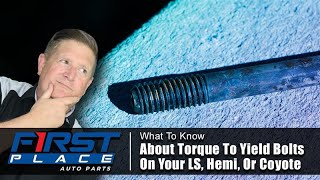
No. The Dodge Challenger uses Torque-to-Yield (TTY) bolts. They are designed to permanently stretch when tightened to provide even clamping force. Reusing them will result in an improper seal and likely cause the new head gasket to fail.
What does "Torque-to-Yield" (TTY) mean?
It's a tightening method where a bolt is first tightened to a specific torque value, then turned an additional, specific angle (e.g., 90 degrees). This process stretches the bolt into its 'yield' or plastic phase, ensuring a very precise and consistent clamping force that isn't possible with a simple torque wrench reading alone.
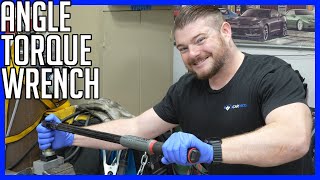
🎬 Watch: The easy way to tighten torque-to-yield boltsDo I need special tools to install head bolts?
Yes. You will need a quality torque wrench and a torque angle gauge (degree wheel) to follow the correct multi-step tightening sequence specified by the manufacturer. Failure to use these tools and follow the sequence will lead to engine failure.
Is replacing head bolts a DIY job?
For most car owners, this is not a DIY job. It is a complex and labor-intensive repair that requires deep mechanical knowledge, specialized tools, and careful attention to detail. A mistake can lead to catastrophic engine damage. This job is best left to an experienced professional.
Helpful Videos

Technical Specifications
OEM Part Numbers: 06509564AA
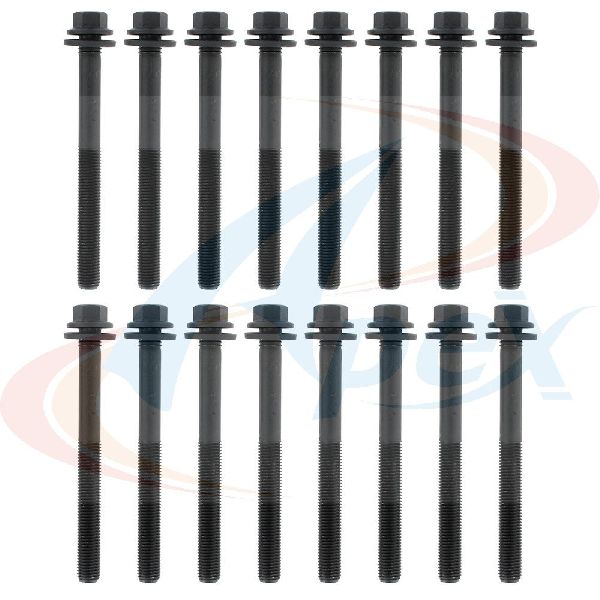
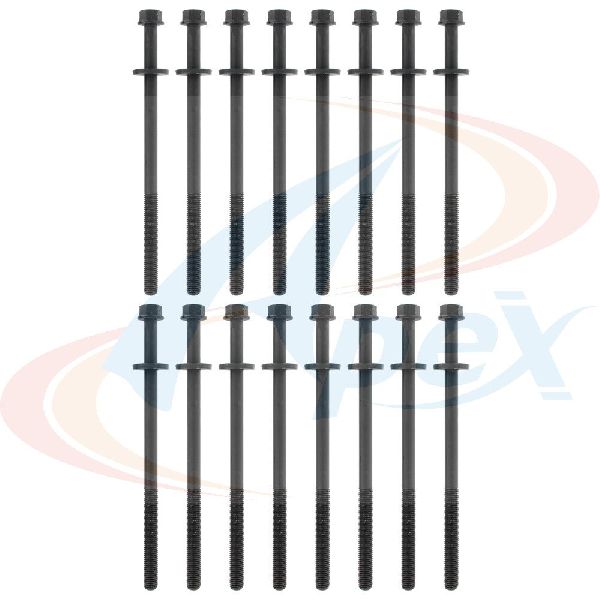
Torque-to-Yield (TTY) design. Requires a specific multi-step torque-plus-angle tightening procedure. Bolt sets are specific to the engine (3.6L V6, 5.7L Hemi, 6.4L Hemi, etc.).
We Have This Part in Stock


The information in this article is provided for general reference and educational purposes only. Vehicle specifications, procedures, and part compatibility can vary by production date, trim level, and region. Always consult your vehicle's factory service manual and verify part numbers before purchasing or performing repairs. Safety-critical components such as airbags, seat belts, and braking systems should be installed by a qualified professional.
- Dodge Challenger:
- 🎬 Helpful Videos
- 🛍️ Shop This Part
- Is it Time for New Head Bolts?
- Critical Symptoms of Head Gasket Failure
- Known Issues, Recalls, and Service Bulletins
- Choosing the Right Aftermarket Head Bolt Set
- OEM vs. Aftermarket Bolts
- Head Bolt Replacement Cost for Dodge Challenger
- Frequently Asked Questions
- 🎟️ Get 5% Off