

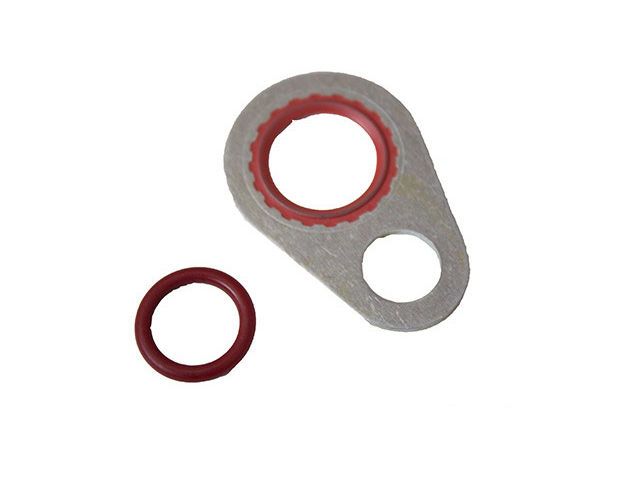
Ford Explorer 2006-2022 A/C System O-Ring and Gasket Kit Reference
Losing cold air in your Explorer? The small seals and gaskets in your A/C system are a common cause of refrigerant leaks.
- For 2011-2019 Explorers with rear A/C, the most common leak source is the rear lines near the muffler due to corrosion.
- Replacing A/C seals requires specialized tools to recover and recharge refrigerant; this is not a beginner DIY job.
- Always replace o-rings and gaskets on any A/C connection that you open during a repair to prevent future leaks.
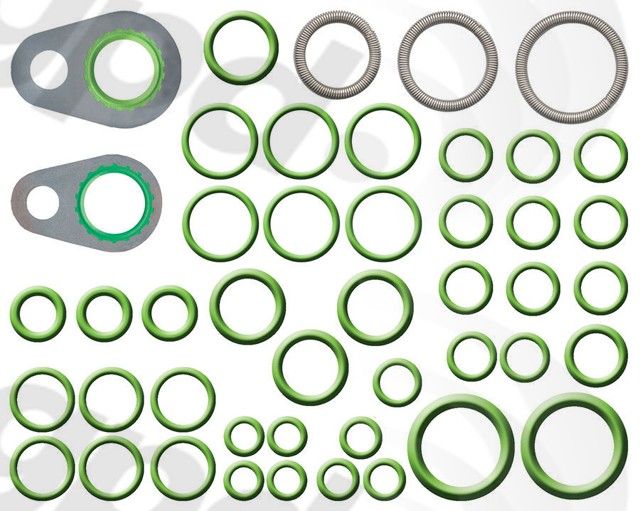
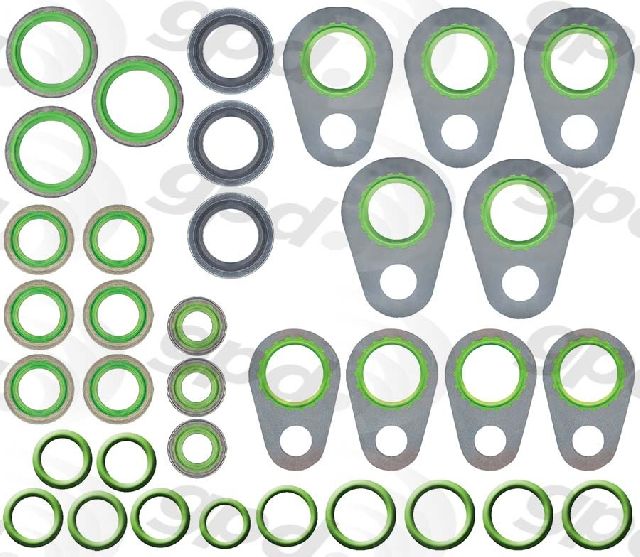
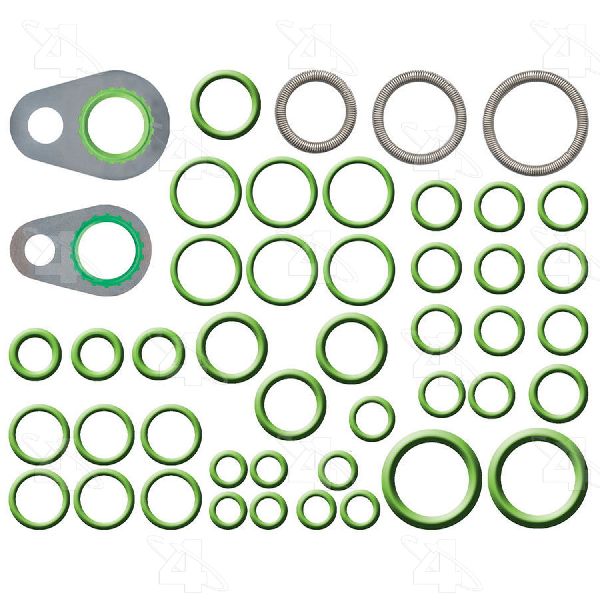
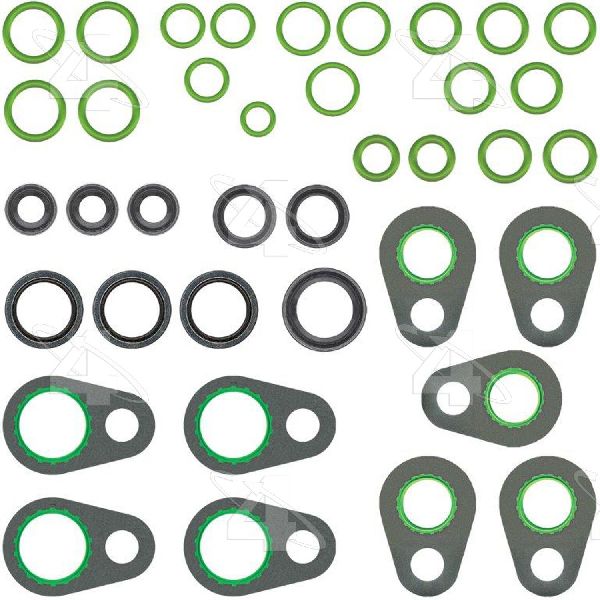
- Quality aftermarket seal kits from brands like Four Seasons or Global Parts are a cost-effective option for this repair.
Is Your Explorer's A/C Blowing Warm?

One of the first signs of trouble with your Explorer's air conditioning is a gradual loss of cooling power. You might notice the air isn't as cold as it used to be, or that it only gets cool when you're driving at speed. This is often caused by a slow leak of refrigerant. These leaks frequently happen at the o-rings and gaskets that seal the connections between A/C components. You might also see a greasy or oily film on A/C lines or connections, which is the refrigerant oil leaking out with the gas.
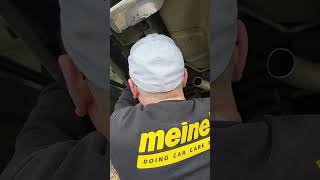
🎬 See a mechanic demonstrate how to find these common leaks.Known Issue: Rear A/C Line Leaks on 2011-2019 Explorers
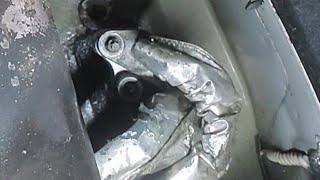
If you own a 2011-2019 Explorer with rear climate control, there is a very common failure point you should be aware of. The aluminum A/C lines that run to the rear evaporator are known to corrode and leak. This often happens where the lines are routed above the muffler on the driver's side. Road salt and moisture contribute to corrosion between the aluminum line and its mounting hardware, eventually causing the gasket to fail or a pinhole to form in the line itself. A sure sign of this leak is an oily residue on or around the muffler.
🎬 Watch: See exactly where these rear lines fail and leak.Technical Service Bulletins (TSBs) and Special Service Messages (SSMs)

While there are no major recalls for A/C seals, Ford has issued communications for specific issues:
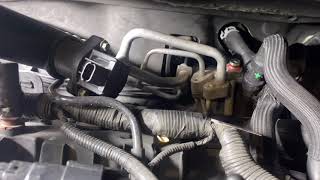
- SSM 49201 (2020 Explorer): Some 2020 models built on or before August 19, 2019, may have an A/C leak at the thermostatic expansion valve manifold tube assembly. 🎬 Watch: A walkthrough on replacing the expansion valve. This requires specific diagnosis as the leak may not be obvious.
- TSB 15-0149 (2013-2015 Explorer): Owners of models with the 3.5L Ti-VCT engine might notice a surging or low idle when the A/C is on. This is not a leak; it's a software issue that a dealer can fix by reprogramming the vehicle's computer (PCM).
Choosing the Right Aftermarket Kit

You don't always need to buy the most expensive part to get a reliable repair, especially with seals. The most important factor is using the correct material. Modern A/C systems use a special type of rubber called HNBR (Hydrogenated Nitrile Butadiene Rubber) for their seals because it can withstand the high pressures and chemicals like R-134a and R-1234yf refrigerant.
- Tier 1: OEM (Motorcraft)
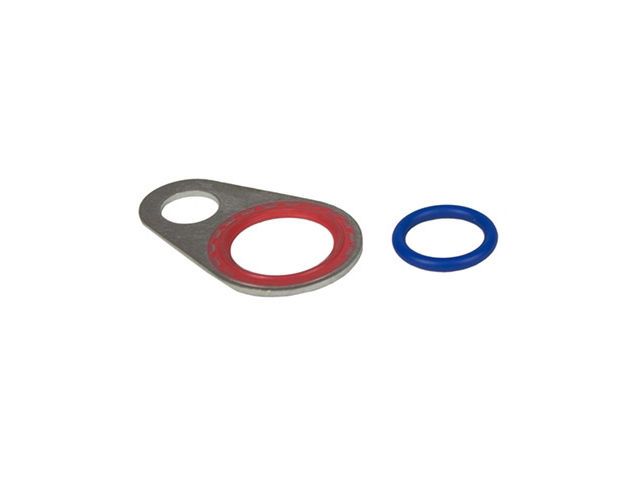
Motorcraft is Ford's official parts brand. These kits will have the exact seals for your vehicle, offering guaranteed fit and quality. However, they are the most expensive option. For a critical, hard-to-access seal, many mechanics prefer the peace of mind of an OEM part. - Tier 2: Aftermarket (Four Seasons, Global Parts)
Brands like Four Seasons and Global Parts Distributors (GPD) are reputable aftermarket suppliers that offer a good balance of quality and cost. For a collection of o-rings and gaskets, a quality aftermarket kit is often a smart choice, as the technology is straightforward. These kits are designed to meet or exceed original equipment (OE) standards for fit and are made from the correct materials to ensure a lasting seal. While some mechanics have mixed opinions on complex aftermarket parts like compressors, seal kits are generally considered a safe and cost-effective option.
Pro Tip: Replace Seals Whenever the System is Open
An A/C o-ring and gasket kit is not a part you replace on its own. You use it during a larger repair, like replacing a compressor or a leaking hose. Any time you open a connection in the A/C system, you should replace the seals at that connection. Reusing old, compressed seals is a sure way to create a new leak.
Ford Explorer A/C Seal Kit Cost
| Part Type | Price Range |
|---|---|
| New Aftermarket Kit | $6.88 - $47.99 |
| New OEM (Motorcraft) Kit | $40 - $90 |
(Pricing as of Q1 2026)
Frequently Asked Questions

My A/C is blowing warm. Can I just add more refrigerant?
Your A/C is a closed system; if it's low on refrigerant, it has a leak. Adding more refrigerant is a temporary fix at best, as it will just leak out again. The proper solution is to find and repair the leak, which often means replacing a failed o-ring or gasket.
Do I need special tools to replace A/C o-rings?
Yes. While swapping the o-ring itself is simple, the overall job is for advanced DIYers or professionals. Legally and safely handling refrigerant requires special equipment, including a manifold gauge set and a vacuum pump to evacuate the system before opening it and properly recharge it afterward.
What is an HNBR o-ring and why is it important?
HNBR (Hydrogenated Nitrile Butadiene Rubber) is a special synthetic rubber designed for modern A/C systems. It is compatible with R-134a and R-1234yf refrigerants and the PAG oil used for lubrication. Using a standard black rubber o-ring from a generic kit will cause it to quickly fail and leak.
Does one kit fit all 2006-2022 Explorers?
No. While some seals may be the same, A/C systems change between generations and even with different engines. It is important to buy a kit that is specified for your exact year and model to ensure you have the correct sizes for your repair.
Helpful Videos
Technical Specifications
Kits are vehicle-specific. Seals must be made of HNBR (Hydrogenated Nitrile Butadiene Rubber) for compatibility with R-134a and R-1234yf refrigerants.
We Have This Part in Stock

The information in this article is provided for general reference and educational purposes only. Vehicle specifications, procedures, and part compatibility can vary by production date, trim level, and region. Always consult your vehicle's factory service manual and verify part numbers before purchasing or performing repairs. Safety-critical components such as airbags, seat belts, and braking systems should be installed by a qualified professional.
- Ford Explorer:
- 🎬 Helpful Videos
- 🛍️ Shop This Part
- Is Your Explorer's A/C Blowing Warm?
- Known Issue: Rear A/C Line Leaks on 2011-2019 Explorers
- Technical Service Bulletins (TSBs) and Special Service Messages (SSMs)
- Choosing the Right Aftermarket Kit
- Pro Tip: Replace Seals Whenever the System is Open
- Ford Explorer A/C Seal Kit Cost
- Frequently Asked Questions
- 🎟️ Get 5% Off