

Dodge Challenger Suspension Stabilizer Bar Bushing Kit Guide (2006-2023)
Eliminate suspension clunks and tighten your Challenger's handling by replacing worn stabilizer bar bushings.
- A clunking noise over bumps is the most common sign of worn stabilizer bar bushings.
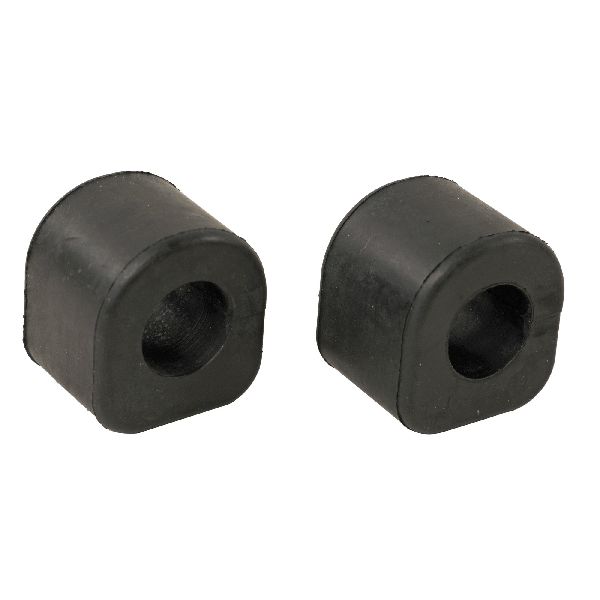
- Choose polyurethane bushings (Energy Suspension, Whiteline) for improved performance, or rubber/synthetic bushings (Moog, Dorman) for an OEM-like ride.
- You must measure your stabilizer bar's diameter before ordering to ensure you get the correct size for your Challenger's specific trim.
- Replacing the bushings is a cost-effective and feasible DIY project that can significantly improve handling and eliminate noise.
Symptoms of Failing Stabilizer Bar Bushings
Worn stabilizer bar bushings are a common issue on the Dodge Challenger as they age. The original rubber can dry out, crack, or get compressed over time. When they fail, you'll likely notice a few key symptoms.
Most Common Symptom: A distinct clunking or rattling noise from the front or rear suspension. This noise is most obvious when driving over bumps, uneven roads, or turning into a driveway. It happens because the worn bushing allows the heavy metal stabilizer bar to move and knock against the frame.
Other signs include sloppy or less responsive steering, a feeling of instability at highway speeds, and increased body roll in corners. While the car is still drivable, these symptoms indicate your suspension isn't performing as it should.
Choosing the Right Aftermarket Bushing Kit
When shopping for new stabilizer bar bushings, you have a choice between standard rubber replacements and performance-oriented polyurethane. Your decision depends on your driving style and goals for your Challenger.
Material Types: Rubber vs. Polyurethane
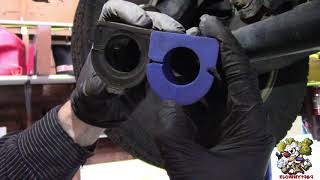
- Rubber Bushings (OEM Style): These offer a ride quality similar to the original factory parts. They are quiet and good at absorbing vibrations, making them ideal for a daily driver where comfort is a priority. Brands like Moog, Mevotech, and Dorman often use high-quality rubber or advanced synthetic rubber that meets or exceeds OEM standards.
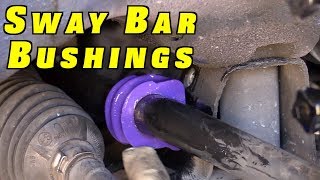
- Polyurethane Bushings: These are a popular upgrade for performance enthusiasts. Polyurethane is much stiffer and more durable than rubber. This stiffness reduces deflection and allows the stabilizer bar to work more efficiently, resulting in sharper handling and less body roll. Brands like Energy Suspension and Whiteline specialize in polyurethane. The trade-off can sometimes be a slightly firmer ride and a potential for squeaking if not lubricated properly during installation.
Pro Tip: Before ordering, you must know your stabilizer bar's diameter. Challengers came with different bar sizes depending on the trim level (V6, R/T, Scat Pack, Hellcat) and suspension package. Measure your bar with a caliper for an accurate fit.
Aftermarket Brand Tiers for Dodge Challenger
| Tier | Brands | Best For |
|---|---|---|
| Performance Upgrade | Energy Suspension, Whiteline | Enthusiasts seeking improved handling and durability. Made from firm polyurethane. |
| Premium Aftermarket | Moog, Mevotech, Delphi | OEM-or-better quality for a factory-like ride and long life. Excellent for daily drivers. |
| Standard Replacement | Dorman, QuickSteer, Skyward | Affordable and reliable option for restoring original performance on a budget. |
Known Issues, Recalls, and TSBs
Searches for recalls on the National Highway Traffic Safety Administration (NHTSA) website did not show any specific recalls for stabilizer bar bushings on the 2006-2023 Dodge Challenger. Most suspension-related complaints and recalls for this vehicle focus on other components. However, a Technical Service Bulletin (TSB #02-005-23) was issued for a small number of 2023 Challengers for a knock or rattle noise over bumps due to under-cured front lower control arm bushings, not the stabilizer bar bushings. This highlights that while stabilizer bar bushings are a common wear item, they have not been the subject of a formal recall campaign.
Frequently Asked Questions (FAQ)
How difficult is it to replace stabilizer bar bushings?
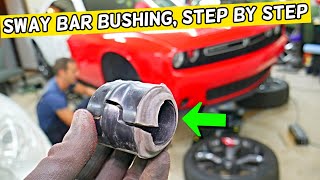
Replacement is a relatively simple DIY job for someone with basic hand tools. It involves lifting the front or rear of the car, removing two bolts on each bushing bracket, swapping the old bushing for the new one, and re-torquing the bolts. No spring compressor is needed for this specific job.
🎬 Follow this step-by-step guide to replace your sway bar bushings.Should I replace the sway bar links at the same time?
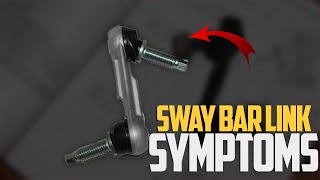
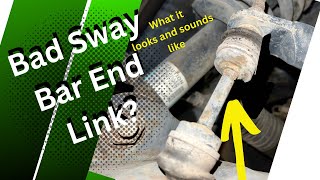
It's a good idea. The sway bar end links are another common wear item that can cause clunking noises. Since you are already working on the stabilizer bar, replacing the links at the same time is efficient and can save you from having to do a similar job again soon.
🎬 See what a failing sway bar end link looks like.Do polyurethane bushings squeak?
They can if not installed correctly. Polyurethane bushings must be lubricated with a special silicone-based grease (often included in the kit) on all surfaces that contact the stabilizer bar and the mounting bracket. Proper lubrication prevents squeaking.
Do I need a wheel alignment after replacing the bushings?
No, a wheel alignment is not necessary after replacing only the stabilizer bar bushings or end links. These parts do not affect the vehicle's alignment angles (caster, camber, or toe).
Helpful Videos
Technical Specifications
Material: Rubber or Polyurethane. Key Dimension: Stabilizer Bar Diameter (varies by model).
We Have This Part in Stock
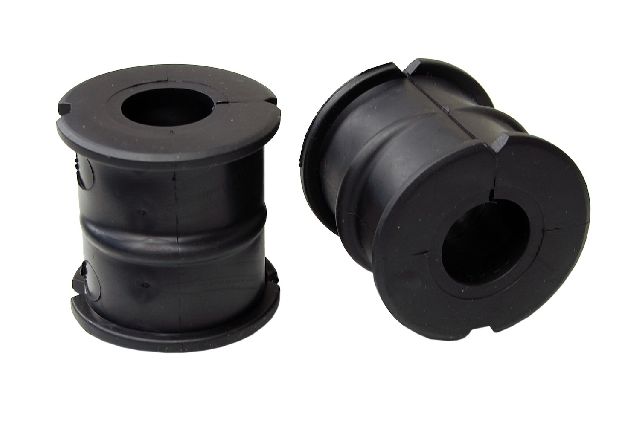
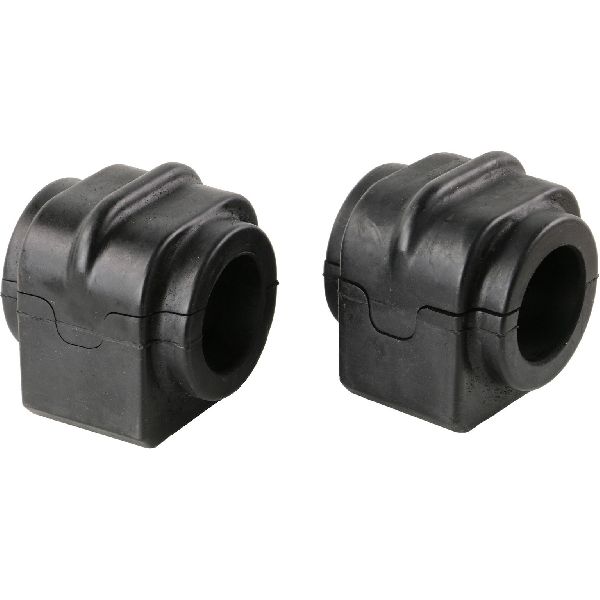
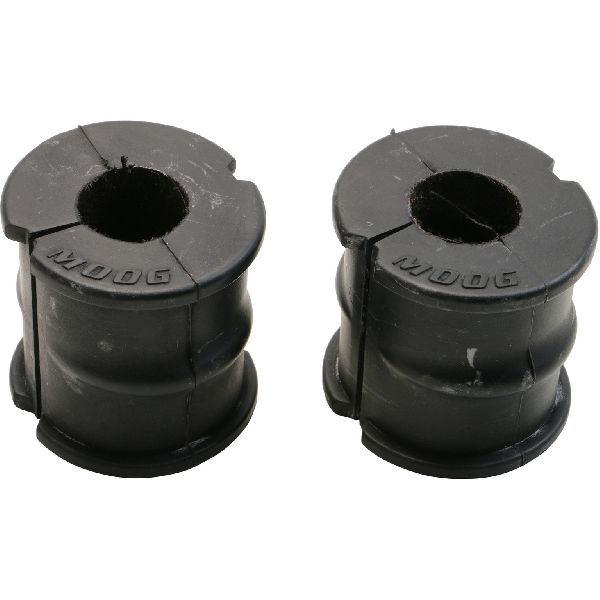


The information in this article is provided for general reference and educational purposes only. Vehicle specifications, procedures, and part compatibility can vary by production date, trim level, and region. Always consult your vehicle's factory service manual and verify part numbers before purchasing or performing repairs. Safety-critical components such as airbags, seat belts, and braking systems should be installed by a qualified professional.
- Dodge Challenger: