

Audi A3 Engine Coolant Temperature Sensor: A Comprehensive Guide (2006-2024)
Experiencing strange engine behavior or a fluctuating temperature gauge? Your coolant temperature sensor might be the culprit.
- A failing ECT sensor on an A3 can cause poor fuel economy, an erratic temperature gauge, and a check engine light with codes like P0116 or P0118.
- Your A3 may have two separate coolant temperature sensors (G62 and G83); diagnose the correct one before replacing.
- For electrical parts on an Audi, it's best to stick with OEM-quality aftermarket brands like Hella, Delphi, or Vemo for reliability.
- Replacement is a feasible DIY task, but be prepared to lose a small amount of coolant and work in a tight space.
Understanding the Engine Coolant Temperature Sensor in Your A3

The Engine Coolant Temperature (ECT) sensor is a critical part of your Audi A3's engine management system. It's a thermistor, which means its electrical resistance changes with temperature. The ECU reads these changes to determine how hot or cold the engine is. This information influences everything from fuel injection and idle speed to the activation of your radiator fans. When this sensor fails, it can send incorrect information, leading to a variety of noticeable problems.
Symptoms of a Failing ECT Sensor

A bad ECT sensor can mimic other engine problems, but there are several classic signs A3 owners should watch for:
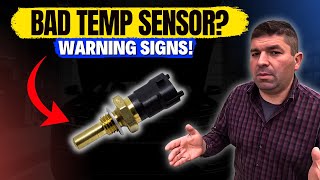
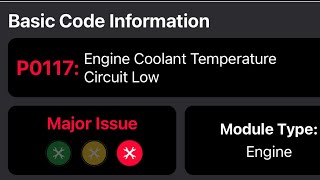
🎬 Watch a detailed breakdown of common failing sensor symptoms.- Check Engine Light: This is often the first sign. The ECU will detect a problem with the sensor's signal and store fault codes like P0115, P0116, P0117, P0118, or P2181. 🎬 See how to diagnose a P0117 fault code specifically.
- Erratic Temperature Gauge: The gauge on your dashboard may fluctuate wildly, read unusually high or low, or not move at all.
- Poor Fuel Economy: If the sensor incorrectly tells the ECU the engine is cold, the system will inject extra fuel, causing your gas mileage to drop.
- Black Smoke from Exhaust: A rich fuel mixture, caused by a faulty sensor, can result in unburned fuel exiting through the exhaust as black smoke.
- Engine Overheating: If the sensor fails to report that the engine is hot, the cooling fans may not turn on when needed, leading to overheating.
- Cooling Fans Run Constantly: Conversely, the sensor might get stuck thinking the engine is always hot, causing the fans to run continuously and potentially drain your battery.
- Hard Starting: The ECU relies on the ECT sensor for the correct fuel mixture when starting. An incorrect reading can make the engine difficult to start, especially when cold.
Generation-Specific Sensor Locations
Your Audi A3 may have more than one coolant temperature sensor. For example, on some 1.8T and 2.0T engines (common in 8P and 8V generations), there is a primary sensor (often called G62) located on the engine block, and another (G83) on the lower radiator hose. The G62 sensor is often the culprit for performance issues and can be difficult to access, sometimes requiring removal of the battery for clearance. The G83 sensor is typically easier to reach. Always verify which sensor is faulty before ordering a replacement.
Choosing the Right Aftermarket Sensor

When it comes to sensors for German vehicles like your Audi, quality matters. While an OEM sensor from a dealer is always an option, high-quality aftermarket brands can offer similar performance at a better price. Forum discussions among Audi owners often highlight the importance of choosing a reputable brand for electrical components to avoid premature failure.
Here’s a breakdown of the available brands:
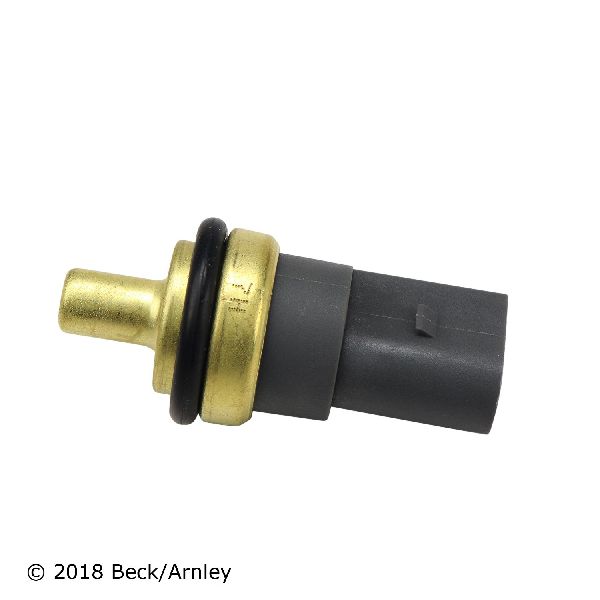
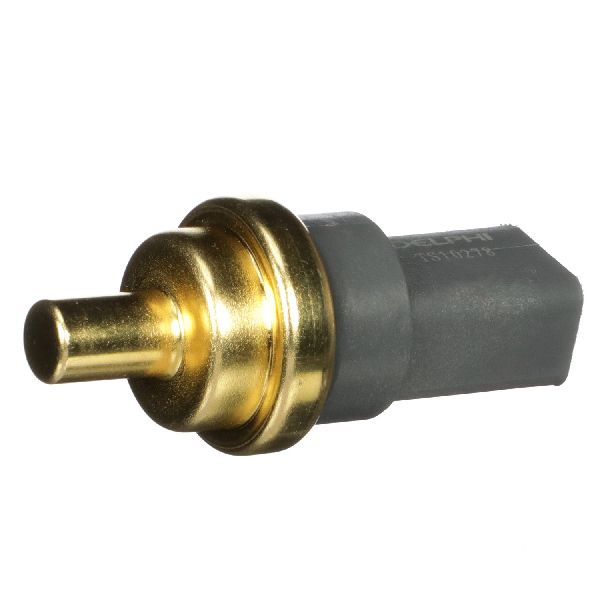
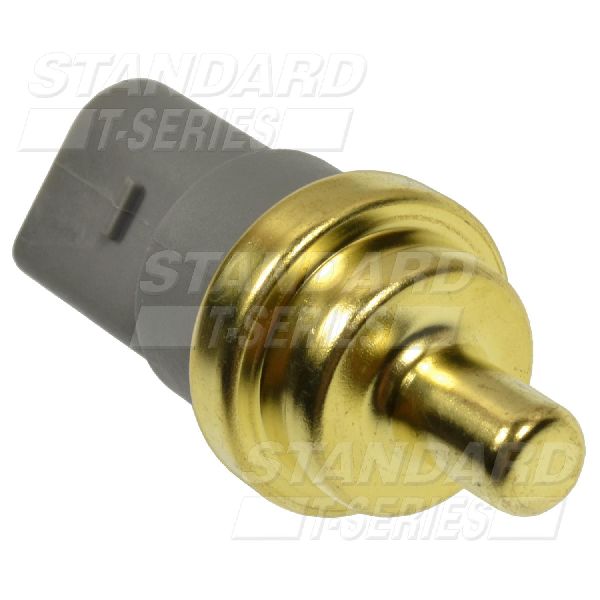
- OEM-Quality & Recommended: Brands like Hella, Delphi, and Vemo are often original equipment suppliers to Audi or are highly regarded in the community for their reliability and fit. NGK/NTK and Standard Ignition (SMP) are also trusted names in engine management sensors.
- Reputable Aftermarket: Beck Arnley, Holstein, and Four Seasons are solid mid-tier choices that generally offer good performance and value.
- Economy Options: Brands like Global Parts, True Tech, and other private labels can be a budget-friendly solution, but their long-term durability and accuracy may be less consistent than premium brands. For a critical sensor like the ECT, spending a few extra dollars on a more reputable brand is often a wise investment.
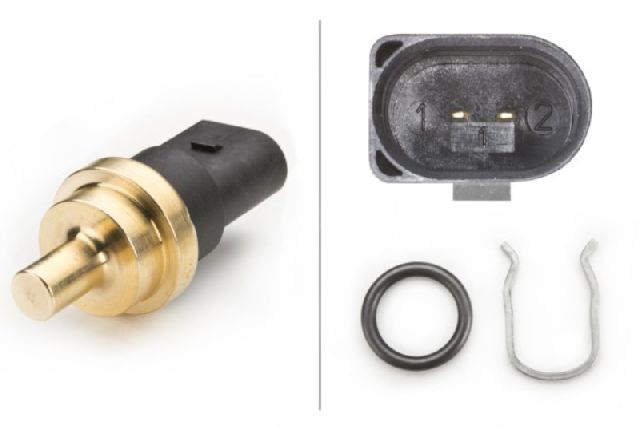
Pro Tip: When replacing the sensor, it's a good idea to also get a new O-ring and retaining clip. These small parts ensure a leak-free seal. Some coolant will be lost during the replacement, so have some compatible G13 coolant and distilled water ready to top off the system.
Cost to Replace an Audi A3 ECT Sensor

| Item | Estimated Cost |
|---|---|
| Aftermarket ECT Sensor | $9 - $65 |
| OEM ECT Sensor | $40 - $80 |
| Shop Labor | $80 - $150 |
| DIY Total | $9 - $65 |
| Shop Total | $90 - $230 |
Cost estimates are approximate and can vary based on location, vehicle specifics, and the chosen part brand.
Frequently Asked Questions
Is the engine coolant temperature sensor the same as the coolant level sensor?
No. The temperature sensor measures how hot the coolant is. The coolant level sensor, located in the coolant expansion tank, triggers a warning light if the coolant level drops too low. A low coolant warning can be a separate issue from a faulty temperature sensor.
Are there any recalls on the Audi A3 coolant temperature sensor?
There are no specific recalls for the coolant temperature sensor itself. However, there have been recalls on certain 2012-2017 A3 models with the 2.0L TFSI engine related to the electric after-run coolant pump, which could overheat and pose a fire risk. These recalls (like 19N4) are for the pump, not the sensor, but are part of the same cooling system.
Can I replace the ECT sensor myself?
Yes, for many A3 models, this is a DIY-friendly job. 🎬 Follow this step-by-step guide to replace your A3 sensor. The sensor is often held in place by a simple clip and can be swapped in under an hour. However, access can be tight, especially for the sensor on the engine block (G62), which may require removing other components. Be prepared for some coolant to spill when you remove the old sensor.
Why does my temperature gauge drop on the highway?
If your temperature gauge reads normally in town but drops at highway speeds, it's a classic symptom of a faulty thermostat that is stuck open, not a bad sensor. However, if the gauge is behaving erratically in all conditions, the sensor is a more likely cause.
Do I need to drain the coolant to replace the sensor?
You do not need to drain the entire system. The sensor is located high up in the cooling system. If you are quick, you will only lose a small amount of coolant. Have the new sensor with its O-ring ready to plug the hole immediately after pulling the old one out to minimize coolant loss.
Helpful Videos
Technical Specifications
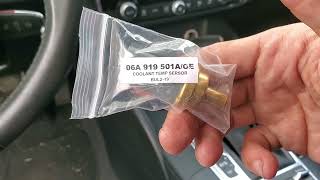
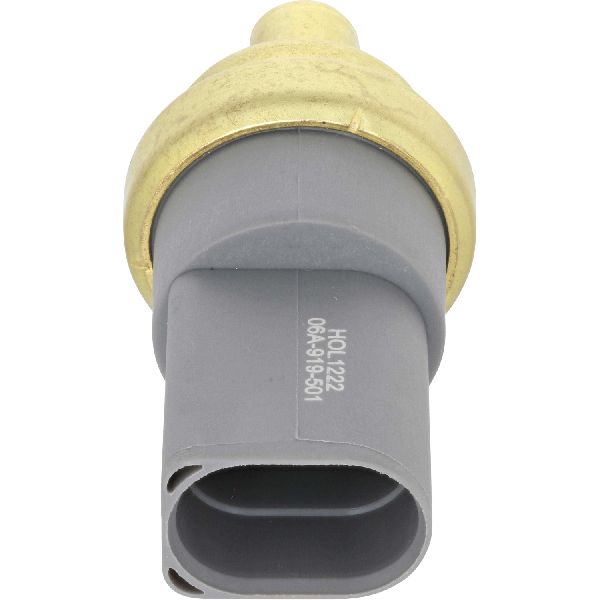
OEM Part Numbers: 06A919501A 079919523J
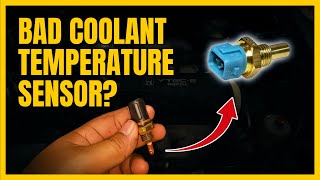
Typically a 2-pin or 4-pin push-in style sensor. Color and connector shape (square vs. oval) can vary by year and engine, so visual confirmation is recommended.
We Have This Part in Stock


The information in this article is provided for general reference and educational purposes only. Vehicle specifications, procedures, and part compatibility can vary by production date, trim level, and region. Always consult your vehicle's factory service manual and verify part numbers before purchasing or performing repairs. Safety-critical components such as airbags, seat belts, and braking systems should be installed by a qualified professional.
- Audi A3: