

Jeep Gladiator (2020-2025) Automatic Transmission Oil Cooler Overview
Keep your Gladiator's automatic transmission running cool, especially when towing or hitting the trails.
- Owners of 2020 to mid-2021 Gladiators should be aware of a known cooler design flaw that can cause overheating; upgrading is the best fix.
- Symptoms of failure include overheating warnings, erratic shifting, fluid leaks, and a burning smell.
- For heavy use like towing or off-roading, a performance aftermarket cooler (e.g., Mishimoto) is a worthwhile upgrade over a standard replacement.
- Replacement is a feasible DIY job for those with moderate experience, taking about 2.5 hours.
Is Your Transmission Overheating?
The automatic transmission in your 2020-2025 Jeep Gladiator is built to be tough, but heat is its biggest enemy. The transmission oil cooler is responsible for keeping fluid temperatures in check. When it fails, it can lead to expensive repairs. Recognizing the signs of a failing cooler can save you from being stranded.
Symptoms of a Failing Transmission Cooler
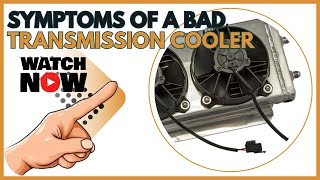
A bad cooler can cause several problems. 🎬 Watch this video to spot early signs of cooler failure. The most common is the transmission simply getting too hot. You might see a warning light on your dashboard. Other signs include poor shifting performance, like harsh or delayed gear changes, and a burning smell from the fluid overheating. In severe cases, you might find red or dark transmission fluid leaking from the front of your truck.
Known Issue: 2020-2021 Models
Jeep Gladiators built before mid-2021 have a known issue with the stock transmission cooler's design. These coolers have an internal thermostat that can stick, blocking fluid flow and causing the transmission to overheat quickly, especially under load. Jeep later updated the part to a "full-time-flow" design. If you have an earlier model and experience overheating, upgrading to the newer design is the recommended fix.
Choosing the Right Aftermarket Cooler
When replacing your transmission cooler, you have options that range from standard replacements to heavy-duty upgrades.
- Standard Replacement (Dorman, Global Parts): These brands typically offer direct-fit replacements that function like the original part. They are a cost-effective solution for daily driving and light-duty use. Dorman is a widely available option for this type of replacement.
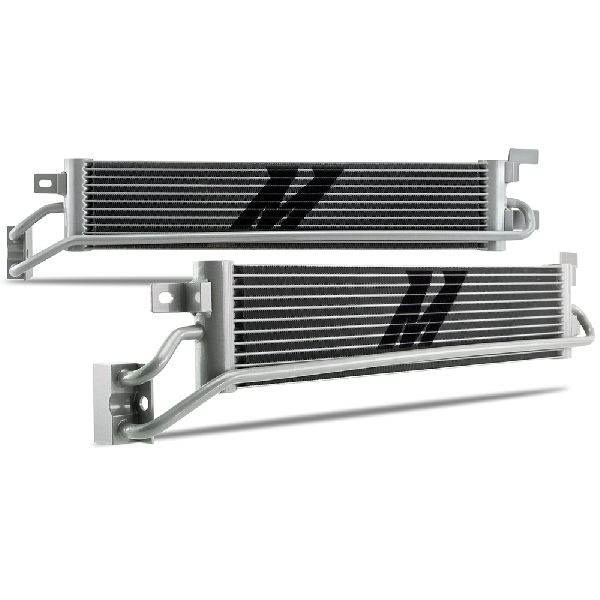
- Performance Upgrade (Mishimoto): For Gladiators that are frequently used for towing, heavy off-roading, or are heavily modified (bigger tires, added weight), a performance cooler is a smart investment. Brands like Mishimoto offer larger coolers with significantly increased fluid capacity and cooling surface area. This helps keep temperatures stable even under extreme conditions, preventing power loss and protecting the transmission.
Pro Tip: If you're replacing the cooler, it's a good time to also check your transmission fluid. You will lose some fluid during the replacement, so be prepared to top it off with the correct Mopar ZF 8&9 Speed ATF. Driving with low fluid can cause severe transmission damage.
Cost of Replacing a Jeep Gladiator Transmission Oil Cooler
| Part Type | Part Cost | Labor Cost | Total Cost |
|---|---|---|---|
| New Aftermarket | $151 - $358 | $150 - $400 | $301 - $758 |
| New OEM | $250 - $450 | $150 - $400 | $400 - $850 |
| Used OEM | $50 - $150 | $150 - $400 | $200 - $550 |
Frequently Asked Questions
Is there a recall on the Jeep Gladiator automatic transmission cooler?
No, there are no specific recalls for the automatic transmission oil cooler. However, there have been recalls for the manual transmission clutch overheating. There is also a known issue with the cooler design on 2020-2021 models that can cause overheating, but it was not addressed with a formal recall.
Can I install a new transmission cooler myself?
Yes, for a DIYer with some experience, this is a manageable job. It involves removing the front grille and some other components to access the cooler. The difficulty is moderate, and it typically takes around 2.5 hours. You will need basic hand tools.
Do I need a bigger cooler if I tow with my Gladiator?
While the stock cooler is adequate for many, upgrading to a larger aftermarket cooler from a brand like Mishimoto is highly recommended if you tow frequently, carry heavy loads, or have larger tires. Lower transmission temperatures lead to a longer transmission life.
What's the difference between an OEM and aftermarket cooler?
OEM (Original Equipment Manufacturer) coolers are what the vehicle was built with. Standard aftermarket parts are designed to be a direct replacement and meet original specs. Performance aftermarket coolers, like those from Mishimoto, are engineered to be an upgrade, offering better cooling capacity than the stock part.
Helpful Videos
Technical Specifications
OEM Part Numbers: 68233384AB 68485460AB
The key difference in OEM parts is the design change around mid-2021. The earlier part (68233384AB) has an internal thermostat prone to sticking. The updated part (68485460AB) is a 'full-time-flow' design that eliminates this issue. Aftermarket performance coolers like Mishimoto offer an 83% increase in fluid capacity and a 195% increase in internal fin surface area over stock.
We Have This Part in Stock


The information in this article is provided for general reference and educational purposes only. Vehicle specifications, procedures, and part compatibility can vary by production date, trim level, and region. Always consult your vehicle's factory service manual and verify part numbers before purchasing or performing repairs. Safety-critical components such as airbags, seat belts, and braking systems should be installed by a qualified professional.
- Jeep Gladiator: