

Saturn Outlook 2007-2010 Engine Camshaft Position Sensor Guide
If your Outlook is stalling, running rough, or won't start, a bad camshaft position sensor could be the reason.
- Camshaft sensor codes (P0016-P0019) on the 3.6L V6 can be a symptom of a more serious, known timing chain issue.
- The 2007-2010 Saturn Outlook has four camshaft position sensors in total; two are easy to access, two are very difficult.
- For reliability, choose OEM (ACDelco) or premium aftermarket brands like Delphi or Bosch for this critical electronic part.
- If one sensor fails at high mileage, it is wise to replace them in pairs or as a complete set of four to prevent future issues.
Is Your Saturn Outlook Stalling or Running Rough?
A failing camshaft position sensor can cause a range of problems, from annoying to serious. Because the sensor is vital for engine timing, a bad signal can confuse the computer. You might notice the Check Engine Light comes on, the engine is hard to start, it stalls unexpectedly, or it just runs poorly and gets bad gas mileage. In some cases, a bad sensor can even prevent the engine from starting at all.
A Critical Warning for Saturn Outlook Owners
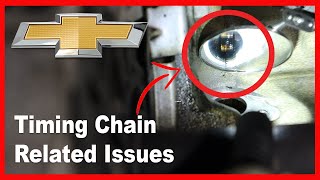
The 3.6L V6 engine used in the 2007-2010 Saturn Outlook is known for premature timing chain wear. Often, the first sign of a stretched timing chain is a Check Engine Light with camshaft or crankshaft correlation codes (like P0016, P0017, P0018, P0019). While a faulty sensor can cause these codes, they are very frequently a symptom of this much more serious and expensive timing chain problem. Before replacing sensors, it is highly recommended to have a mechanic investigate the health of your timing chains, especially if you hear any rattling noises from the engine.
🎬 Watch: Understanding timing chain issues and correlation codesChoosing the Right Aftermarket Sensor
When it comes to electronic sensors, quality matters. While cheaper parts are available, they have a higher risk of failing early, forcing you to do the job all over again. Sticking with a trusted brand is a smart investment for your Outlook.
Brand Quality Tiers
- Premium Aftermarket (OEM-Quality): These brands are known to be original equipment suppliers for General Motors or have a strong reputation for quality and reliability. They are the safest bet outside of buying a part from a GM dealer.
- ACDelco (GM Genuine): This is the original equipment part and is considered the benchmark for performance and fit.
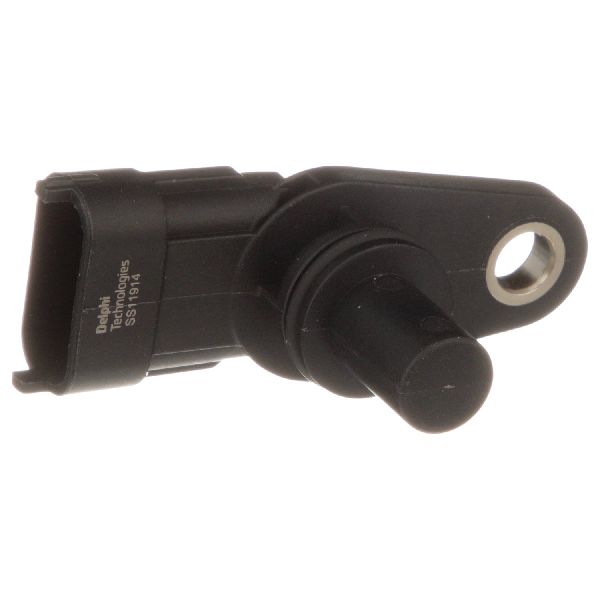
- Delphi: As a former part of GM, Delphi has a long history of making quality electronic parts and is trusted by many professional mechanics.
- Bosch: A well-respected German manufacturer known for high-quality automotive components, including sensors.
- Quality Aftermarket: These brands offer a good balance of price and performance and are a reliable choice for most repairs.
- NGK/NTK: A major manufacturer of sensors for many car brands, known for excellent quality.
- Standard Motor Products (SMP): A long-standing aftermarket company that produces reliable sensors.
- Hitachi: Often an OEM supplier, Hitachi makes high-quality electronic parts.
- Economy & Value Brands: Brands like Dorman, Spectra, and other store-exclusive names offer a lower-cost alternative. While they can be a budget-friendly solution, they may not have the same long-term durability or precise performance as premium brands.
| Part Type | Price Range | Notes |
|---|---|---|
| New Aftermarket | $23.10 - $57.49 | Your price range. Quality varies significantly by brand. |
| New OEM (ACDelco) | $35 - $55 | Genuine GM part, offers the highest assurance of compatibility. |
| Shop Labor | $232 - $340 | This estimate is for replacing one or two sensors. The rear sensors are much harder to access. |
Pro Tip: Replace in Pairs or Sets
Your Outlook's 3.6L V6 has four camshaft position sensors. If one sensor fails, especially at higher mileage, it's a good idea to replace the other sensor on the same cylinder head (the other "Bank") at the same time. Some owners choose to replace all four to ensure reliability and prevent future repairs, as they tend to fail around the same time.
Frequently Asked Questions (FAQ)
How many camshaft position sensors does my 2007-2010 Saturn Outlook have?
The 3.6L V6 engine has four camshaft position sensors. There is one for the intake camshaft and one for the exhaust camshaft on each cylinder bank (Bank 1 and Bank 2).
Where are the camshaft position sensors located?
The sensors are located at the back of the cylinder heads, near the firewall. Bank 1 (the rear bank) is notoriously difficult to access, while Bank 2 (the front bank) is easier to reach.
Can I replace a camshaft position sensor myself?
Yes, for a DIYer with some experience. The sensors on the front of the engine (Bank 2) are relatively easy to access and are held by a single 10mm bolt. 🎬 See this step-by-step camshaft sensor replacement walkthrough However, the sensors on the rear of the engine (Bank 1, near the firewall) are very difficult to reach and may require removing other components for access.
What do camshaft sensor error codes mean? (P0340, P0341, P0345, P0346)
These codes point to a problem in the camshaft position sensor circuit. For example, P0340 and P0341 relate to the sensor on Bank 1, while P0345 and P0346 relate to Bank 2. However, remember that on this specific engine, these codes can also be triggered by stretched timing chains or a bad crankshaft position sensor.
Are there any recalls for the camshaft position sensor?
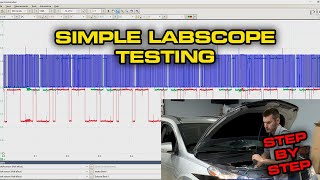
No, there are no specific recalls for the camshaft position sensor on the 2007-2010 Saturn Outlook. However, GM did issue a Special Coverage Adjustment (11340B) 🎬 Learn how to test for timing chain stretch using a labscope for premature timing chain wear, which can cause similar symptoms and codes.
Helpful Videos

Technical Specifications
OEM Part Numbers: 12608424 12590907 12615371
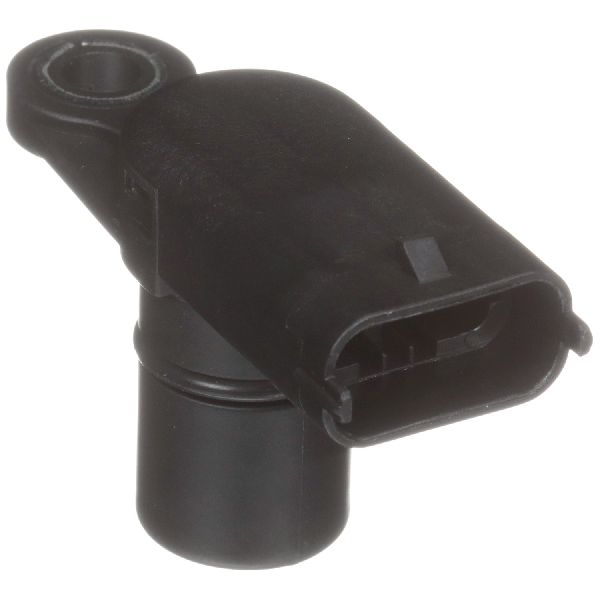
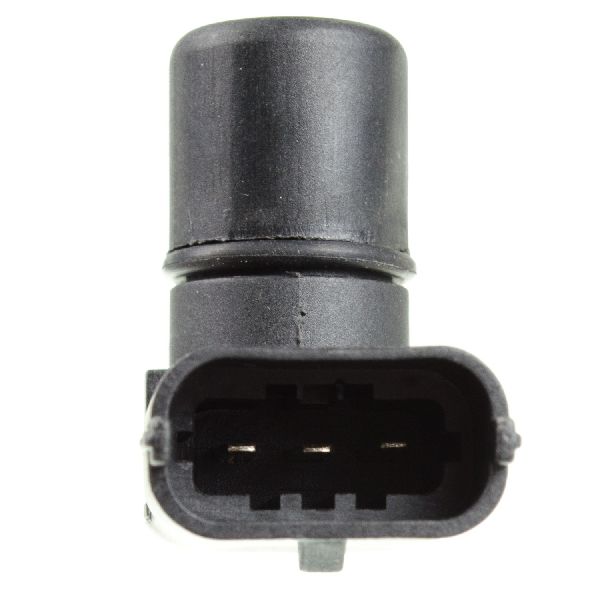
The 3.6L V6 engine (RPOs LY7, LLT) uses four 3-pin camshaft position sensors. Two are located on the front cylinder head (Bank 2) and two on the rear cylinder head (Bank 1).
We Have This Part in Stock


The information in this article is provided for general reference and educational purposes only. Vehicle specifications, procedures, and part compatibility can vary by production date, trim level, and region. Always consult your vehicle's factory service manual and verify part numbers before purchasing or performing repairs. Safety-critical components such as airbags, seat belts, and braking systems should be installed by a qualified professional.
- Saturn Outlook: