

A Guide to the 2007-2011 Audi Q7 High Pressure Fuel Pump (HPFP)
Understand the common failure points and learn how to choose the right aftermarket replacement for your Q7's direct injection engine.
- A failing HPFP will cause serious running issues like power loss, stalling, and a P0087 code.
- If the pump fails by creating metal debris, the entire fuel system (injectors, rails) needs replacement, which is extremely expensive.
- A strong fuel smell is likely due to the recalled fuel pump flange (part of the in-tank pump), not the HPFP, and requires immediate inspection.
- Always replace the inexpensive cam follower with the HPFP to prevent damage to the new pump and your engine's camshaft.
Is Your Q7's High Pressure Fuel Pump Failing?

A failing High Pressure Fuel Pump (HPFP) in a 2007-2011 Audi Q7 will cause noticeable engine problems. Because the HPFP is essential for delivering the right amount of fuel at the right pressure, any issue can significantly impact performance and drivability. Ignoring the symptoms can lead to more severe engine damage.
Key Failure Symptoms
- Check Engine Light: This is often the first sign. The most common trouble code is P0087 (Fuel Rail/System Pressure - Too Low). 🎬 See how to diagnose a P0087 code on a Q7. You might also see codes like P0088 (Pressure Too High) or P2293.
- Sudden Loss of Power: Your Q7 may feel sluggish, hesitate during acceleration, or go into a reduced-power "limp mode."
- Rough Running: A bad HPFP can cause a rough or shaky idle, engine stalling, and misfires.
- Hard Starting: The engine may take longer than usual to start or fail to start at all.
- Engine Noise: In some cases, a failing HPFP can produce a rattling or metallic ticking sound from the engine bay as internal components wear out.
Critical Failure: Metallic Debris
A major concern with HPFP failure is the potential for the pump to break apart internally, sending tiny metal particles throughout the entire fuel system. An Audi Technical Service Bulletin (TSB) addresses this exact issue. If metal particles are found, the repair is no longer just a pump replacement. You must also replace the fuel injectors, fuel rail, and all high-pressure lines, and thoroughly clean the low-pressure side of the system to prevent the new pump from failing immediately. This is a very expensive and labor-intensive repair.
Important Recall Notice: Fuel Smell & Leaks

Many Q7 owners experience a strong fuel smell, which is a serious safety issue. For 2007-2012 Q7s, this is often caused by a cracked fuel pump flange, which is part of the low-pressure pump assembly inside the fuel tank. This was the subject of NHTSA Recall 16V-660 (Audi code 20W9) and a follow-up recall 18V818000 (Audi code 20BJ). A fuel leak in the presence of an ignition source increases the risk of a fire. If you smell fuel, you should have your vehicle inspected immediately to see if this recall applies and has been completed. While this is not a failure of the HPFP, it is a critical, known fuel system problem for these vehicles.
Choosing the Right Aftermarket HPFP

When replacing the HPFP, you have several aftermarket options. The quality can vary, so it's important to choose wisely, especially given the critical role of this part.
Tier 1: OE-Equivalent Brands
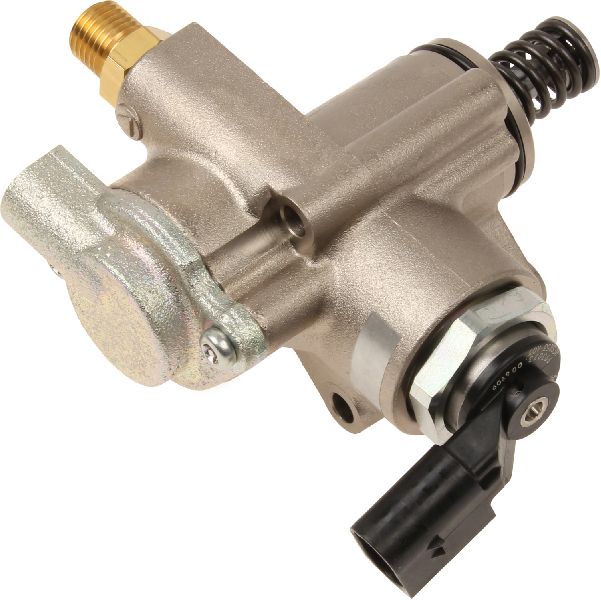
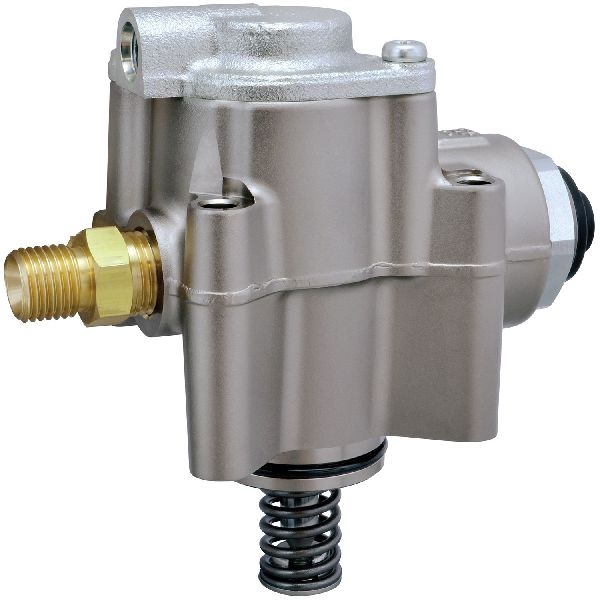
- Hitachi: Hitachi is a known Original Equipment (OE) supplier for Audi's high-pressure fuel pumps. Choosing a Hitachi pump is the closest you can get to buying the part from a dealer, ensuring original performance and fit. Many owners and shops opt for Hitachi as a trusted replacement.
Tier 2: Reputable Aftermarket Brands
- Delphi: Delphi is a major global parts manufacturer with a strong reputation for producing quality fuel system components that meet or exceed OE standards. They are a reliable choice if an OE-equivalent part is not available.
- Hella / Standard Ignition (SMP): Both are well-established brands in the aftermarket industry. While not specifically cited by Q7 owners in forum discussions for this part, they generally produce reliable components.
Tier 3: Economy Brands
- URO Parts / Vemo: These brands offer a more budget-friendly price point. They can be a viable option for owners trying to minimize repair costs, but may not offer the same longevity or performance as higher-tier brands.
Pro Tip: Replace the Cam Follower
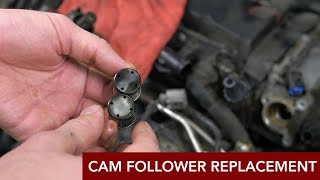
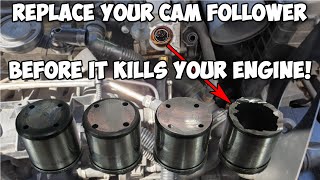
The HPFP is driven by a small metal plunger called a cam follower (or tappet) that rides on the engine's camshaft. This part is a known wear item and is inexpensive. It is highly recommended to replace the cam follower whenever you replace the HPFP to prevent premature failure of your new pump.
Cost of Replacing the Audi Q7 HPFP
The cost can vary significantly based on the parts you choose and your local shop's labor rates. The V8 engines have two HPFPs (left and right), which would double the parts cost if both are replaced.
| Part/Service | Estimated Cost |
|---|---|
| Shop Labor | $250 - $500 |
| New Aftermarket HPFP | $248 - $718 |
| New OEM HPFP | $525 - $900+ |
| Remanufactured HPFP | $75 - $200 |
| Total Professional Replacement (Aftermarket Part) | $500 - $1,220 |
Frequently Asked Questions

What is the difference between the high-pressure and low-pressure fuel pumps?
Your Q7 has two pumps. The low-pressure fuel pump (LPFP) is electric and sits inside your gas tank. It sends fuel to the engine at about 40-75 PSI. The high-pressure fuel pump (HPFP) is mechanical, mounted on the engine, and boosts that pressure to over 2,000 PSI for direct injection. A fuel smell is often related to the LPFP assembly recall, while power loss is more commonly linked to the HPFP.
Is it difficult to replace the HPFP myself?
This is not a beginner-friendly job. The pump is located in a tight space between the engine and the firewall, making access difficult. More importantly, the system is under extremely high pressure. You must follow specific procedures to safely depressurize the system before starting work. For most owners, professional installation is recommended.
🎬 Watch this step-by-step 3.6L FSI fuel pump replacement walkthrough.What is a cam follower and why should I replace it?
The cam follower is a small, cap-like metal piece that sits between the camshaft and the HPFP's plunger. The camshaft pushes on the follower, which in turn drives the pump. This part is under constant stress and wears down over time. A worn follower can damage both the camshaft and the new HPFP. It's an inexpensive part and should always be replaced with the pump as preventative maintenance.
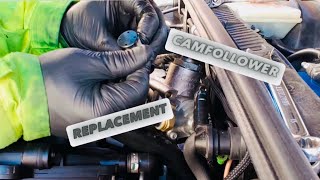
🎬 Watch: How to replace your cam follower and HPFP.Can I drive my Q7 with a bad HPFP?
It is not recommended. While the car may still run, you will experience poor performance, stalling, and potential no-start situations that could leave you stranded. Most critically, if the pump is failing and creating metal debris, continuing to drive will circulate those particles and cause catastrophic damage to your entire fuel system.
Helpful Videos

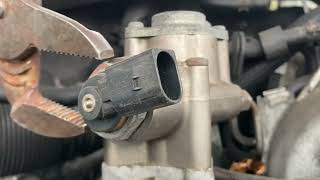
Technical Specifications
OEM Part Numbers: 079127026AB 079127025AF 03H127025C 079127026C 06E127026F
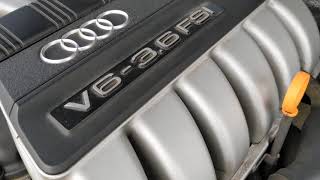
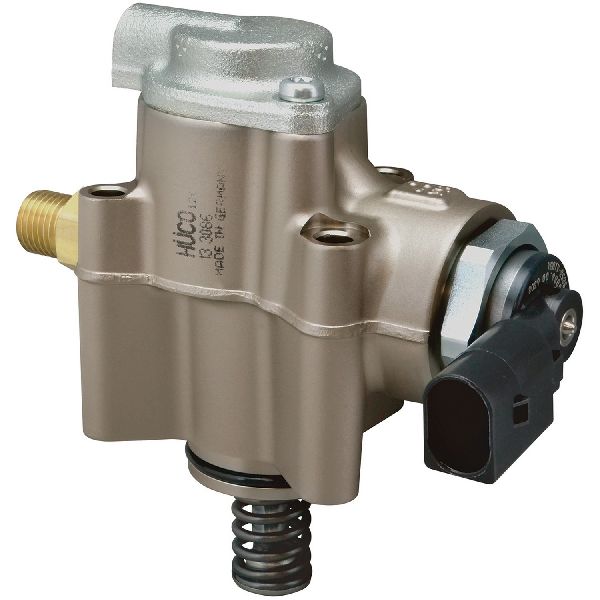
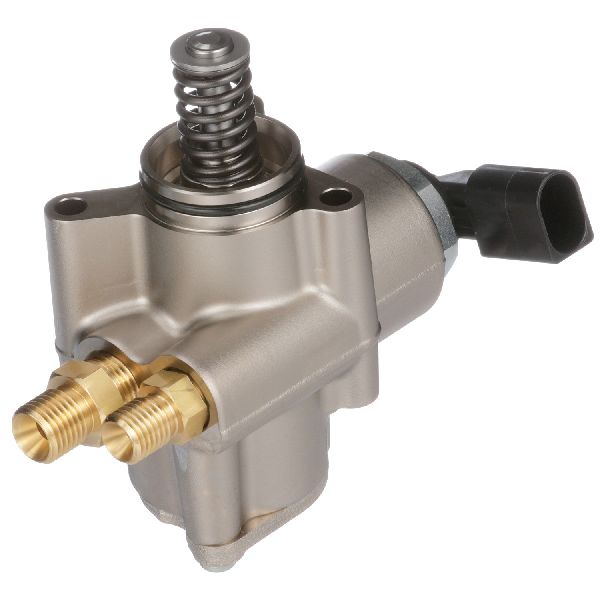
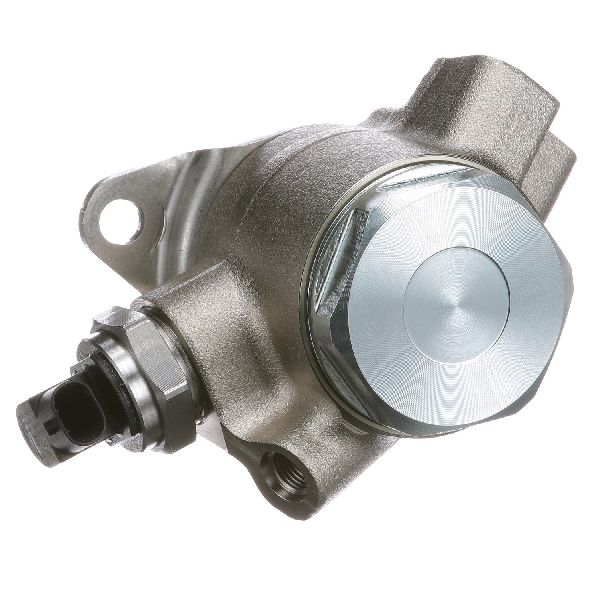
Mechanically driven by the engine's camshaft. The 2007-2011 Audi Q7 was available with a 3.6L V6 (one HPFP) and a 4.2L V8 (two HPFPs). It is critical to order the correct pump for your specific engine and chassis number.
We Have This Part in Stock

The information in this article is provided for general reference and educational purposes only. Vehicle specifications, procedures, and part compatibility can vary by production date, trim level, and region. Always consult your vehicle's factory service manual and verify part numbers before purchasing or performing repairs. Safety-critical components such as airbags, seat belts, and braking systems should be installed by a qualified professional.
- Audi Q7:
- 🎬 Helpful Videos
- 🛍️ Shop This Part
- Is Your Q7's High Pressure Fuel Pump Failing?
- Key Failure Symptoms
- Critical Failure: Metallic Debris
- Important Recall Notice: Fuel Smell & Leaks
- Choosing the Right Aftermarket HPFP
- Tier 1: OE-Equivalent Brands
- Tier 2: Reputable Aftermarket Brands
- Tier 3: Economy Brands
- Pro Tip: Replace the Cam Follower
- Cost of Replacing the Audi Q7 HPFP
- Frequently Asked Questions
- 🎟️ Get 5% Off