

A Guide to Replacing Ignition Coils on Your 2007-2011 Audi Q7
Stop engine misfires and restore performance by understanding how to choose the right ignition coils for your Q7.
- A flashing check engine light signals a severe misfire; avoid driving to prevent catalytic converter damage.
- Stick with OEM-equivalent aftermarket brands like Bosch, Beru, NGK, or Delphi for proven reliability.
- Replacing all ignition coils and spark plugs at the same time is a best practice to ensure long-term reliability.
- This is a very accessible DIY repair that requires basic tools and can be completed in under an hour.
Is Your Q7's Engine Acting Up? It Could Be the Ignition Coils.

If you're experiencing a rough idle, engine hesitation, or a flashing check engine light, you're not alone. These are classic signs of a failing ignition coil, a common wear item on many vehicles, including the 2007-2011 Audi Q7. An ignition coil's main job is to generate the high voltage needed for your spark plugs. When a coil starts to fail, it can't deliver a consistent spark, leading to an engine misfire.
Symptoms of a Bad Ignition Coil in an Audi Q7

A failing ignition coil isn't subtle. Your Audi will let you know something is wrong. Look out for these common symptoms:
- Engine Misfires: This can feel like a stumble, shudder, or jerking, especially when you accelerate.
- Rough Idle: Your engine may vibrate or run unevenly when you're stopped.
- Flashing Check Engine Light: This is your car's most urgent warning. A flashing light indicates a severe misfire that can quickly damage your expensive catalytic converter. If you see this, you should reduce driving and get it checked immediately.
- Loss of Power: Your Q7 will feel sluggish and slow to respond because one or more cylinders aren't producing power correctly.
- Worse Fuel Economy: When your engine isn't burning fuel efficiently, you'll notice you're visiting the gas station more often.
A Note on Oil and Fuel Leaks
Ignition coils can fail prematurely due to contamination. A common cause is oil leaking from the valve cover gasket into the spark plug tubes. Additionally, some 2007-2012 Q7 models were recalled for a fuel pump flange that could crack. If you're replacing coils, it's a good time to inspect for any oil or fuel leaks that could damage the new parts.
Choosing the Right Aftermarket Ignition Coils

When it comes to ignition coils for your Audi, quality matters. While there are many brands available, they generally fall into a few tiers. Sticking with brands known for supplying original equipment (OEM) parts to Audi and other German automakers is a safe bet.
| Brand Tier | Brands | Our Take |
|---|---|---|
| OEM / OEM-Equivalent | Bosch, Beru, NGK, Delphi | These brands are often the original suppliers to Audi. They are engineered to meet or exceed factory specifications and are the most recommended choice for reliability and performance. You can expect factory-like fit and longevity. |
| Quality Aftermarket | Hitachi, Standard Ignition (SMP), Walker Products | These are reputable brands that produce quality parts. While they may not be the original supplier, they offer a good balance of price and performance and are a solid choice for most owners. |
| Economy | DriveWire, Global Parts, True Tech | These brands offer a budget-friendly option. While they can get your vehicle back on the road, they may not offer the same long-term durability or performance as the higher-tier brands. Forum discussions often warn against using very cheap, unbranded coils. |
Pro Tip: Replace in Sets
Ignition coils are exposed to the same heat and wear over time. If one has failed, others are likely not far behind. To avoid repeated repairs, it is highly recommended to replace all ignition coils at the same time. It's also a good idea to replace the spark plugs during this job if they are due.
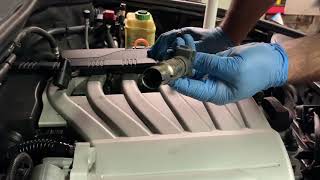
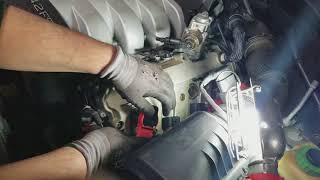
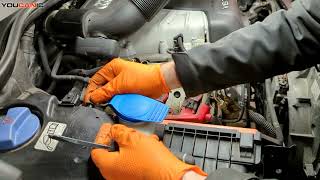
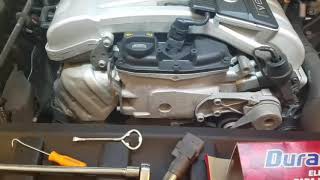
🎬 See this full spark plug and ignition coil replacement guide.Frequently Asked Questions

How do I know which ignition coil is bad?
When your check engine light is on, a diagnostic scanner can read the trouble codes. A code like P0304 indicates a misfire on cylinder 4. A simple way to confirm a bad coil is to swap the coil from the misfiring cylinder (e.g., cylinder 4) with a coil from a known good cylinder (e.g., cylinder 5). Clear the codes and run the engine. If the code changes to P0305, you've confirmed the ignition coil is the problem.
🎬 Watch: How to diagnose a misfire on the 3.0T engine.Is replacing an ignition coil a DIY job?
Yes, for most people with basic tools. The ignition coils on the Q7 are located on top of the engine and are easily accessible after removing the plastic engine cover. The job typically involves unplugging an electrical connector and pulling the coil straight out. It's a great first project for a new DIY mechanic.
Do I need any special tools?
No special tools are required for a basic replacement. You'll need a tool to remove the engine cover, and sometimes a small flathead screwdriver can help release the electrical connector clip. 🎬 Watch: Easy way to disconnect the ignition coil connector. Some people find a dedicated ignition coil puller tool helpful, but it's not always necessary.
Should I choose an OEM or Aftermarket ignition coil?
For the Audi Q7, high-quality aftermarket brands like Bosch, Beru, or NGK are excellent alternatives to the more expensive dealer part. These companies are often the original manufacturers for Audi, so you're getting the same quality without the dealership markup. It is generally advised to avoid the cheapest unbranded options, as their reliability can be questionable.
Helpful Videos

Technical Specifications
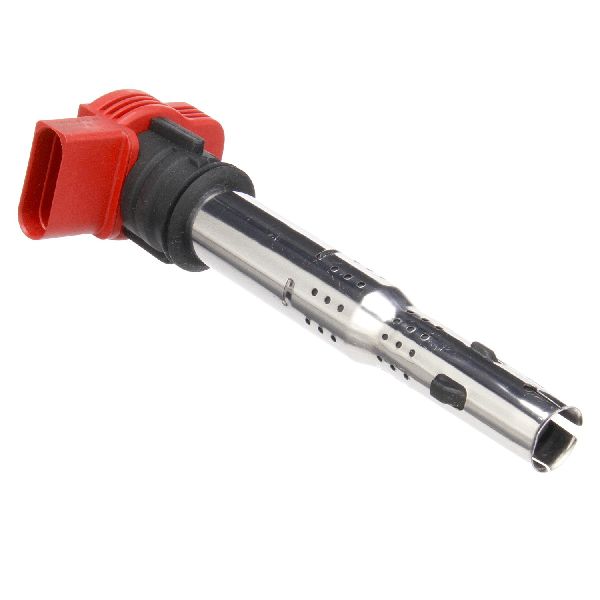
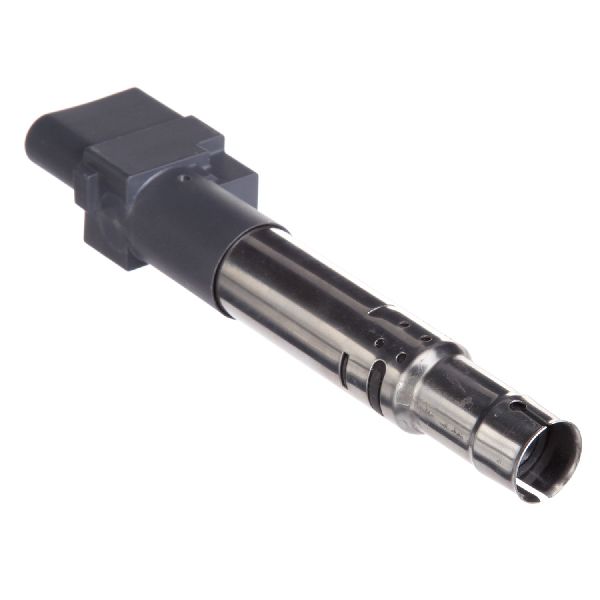
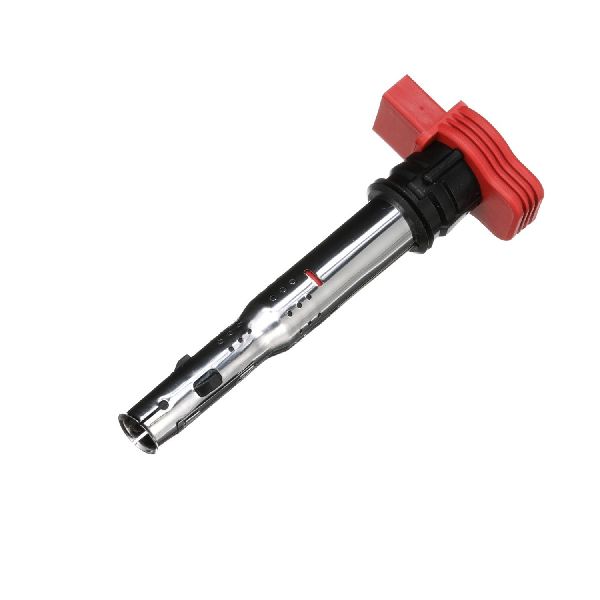
OEM Part Numbers: 06E905115G 06E905115F 06E905115E 06E905115D 022905715D
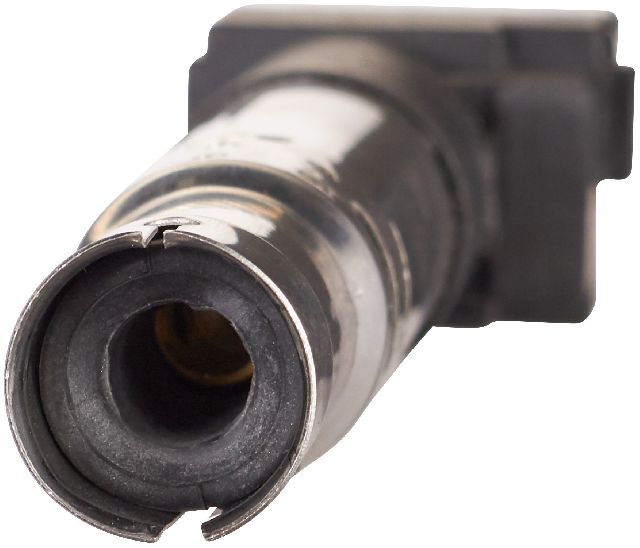
Coil-on-plug design. The number of coils will match the number of cylinders in your engine (6 for V6, 8 for V8).
We Have This Part in Stock


The information in this article is provided for general reference and educational purposes only. Vehicle specifications, procedures, and part compatibility can vary by production date, trim level, and region. Always consult your vehicle's factory service manual and verify part numbers before purchasing or performing repairs. Safety-critical components such as airbags, seat belts, and braking systems should be installed by a qualified professional.
- Audi Q7: