

A Practical Guide to the 2007-2011 Audi Q7 Secondary Air Injection Pump
That loud vacuum cleaner noise on a cold start could be your secondary air pump telling you it's time for a replacement.
- A loud 'vacuum cleaner' noise on cold starts is the classic sign of a failing pump.
- Water intrusion from a bad combi valve is the most common cause of failure; always inspect and likely replace the valve with the pump.
- Error codes P0491/P0492 can also be caused by clogged air passages in the cylinder heads, which requires a different repair.
- Driving with a bad pump is possible, but you will not pass an emissions test.
Understanding the Secondary Air Injection System
Think of the secondary air injection (SAI) pump as a small, powerful leaf blower that only runs for about a minute when you start your Q7. Its only job is to help your vehicle meet strict emissions standards during cold starts. It pushes air into the exhaust to after-burn excess fuel, helping the catalytic converters get hot and start working properly almost immediately. When it fails, your engine's performance isn't usually affected, but your check engine light will come on, and you will not pass an emissions test.
Common Symptoms of a Failing Pump
A failing SAI pump on the Audi Q7 gives clear warning signs. Being aware of them can help you diagnose the problem correctly.
- Loud Whining Noise on Cold Start: The most common symptom is a noise that sounds like a jet engine or a loud vacuum cleaner coming from the passenger side of the engine bay. This noise lasts for about a minute and then stops completely as the pump shuts off. This is caused by worn-out bearings inside the pump motor, often due to water damage.
- Check Engine Light: A failed pump will trigger the check engine light. You will likely see diagnostic trouble codes (DTCs) such as P0411 (Secondary Air Injection System Incorrect Flow Detected), P0491, or P0492.
- Failed Emissions Test: With an active check engine light for an emissions system fault, your Q7 will automatically fail any state-required emissions inspection.
A Critical Known Issue: Water Damage
The number one killer of these pumps is water intrusion. A small, one-way valve in the system, called a combi valve, is supposed to prevent exhaust gases from flowing backward. When this valve fails, hot exhaust condensation can travel back into the pump. This water corrodes the pump's electric motor and bearings, causing it to seize and fail. Pro Tip: If you or your mechanic find water in the old pump or its hoses, you MUST replace the combi valve(s) along with the pump. Failing to do so will cause your new pump to fail quickly.
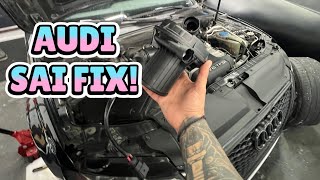
🎬 See why these pumps fail and how water gets inside.Choosing the Right Aftermarket Pump for Your Q7
You don't need to buy an expensive OEM part from the dealer. Several quality aftermarket brands offer reliable replacements. They generally fall into three tiers.
Tier 1: OEM-Quality Brands
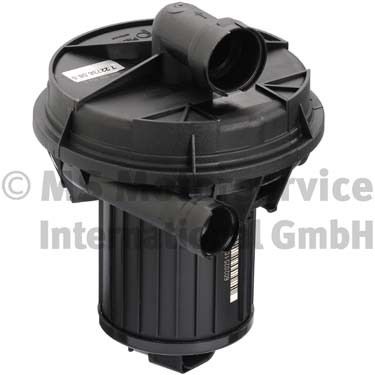
- Hella: Hella is a massive German parts manufacturer and often supplies parts directly to Audi. A pump from Hella (or its partner Pierburg, the original manufacturer) is equivalent to the dealer part without the high price tag.
- Vemo: Vemo is another well-regarded German brand that produces high-quality aftermarket parts. It's a trusted choice for many European vehicle specialists and a solid alternative to OEM.
Tier 2: Reputable Aftermarket Brands
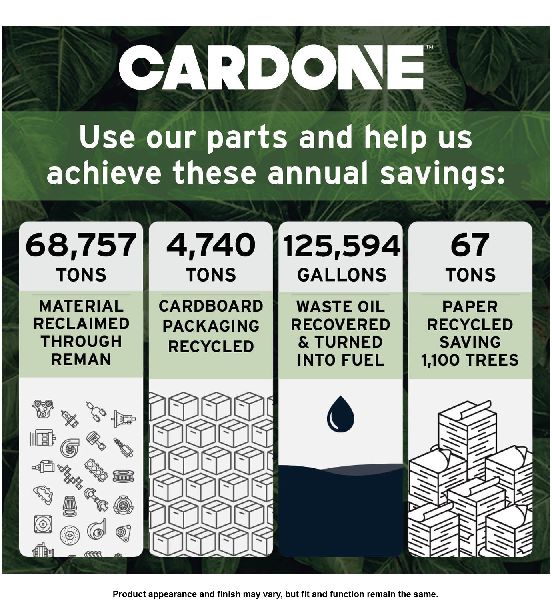
- Cardone: Cardone offers both new (Cardone Select) and remanufactured (A1 Cardone) pumps. They are a huge name in the aftermarket and often re-engineer parts to fix original design flaws. This is a dependable, cost-effective choice.
Tier 3: Budget-Friendly Options
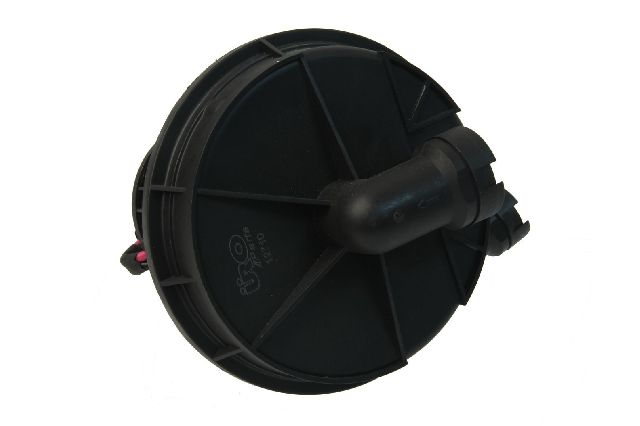
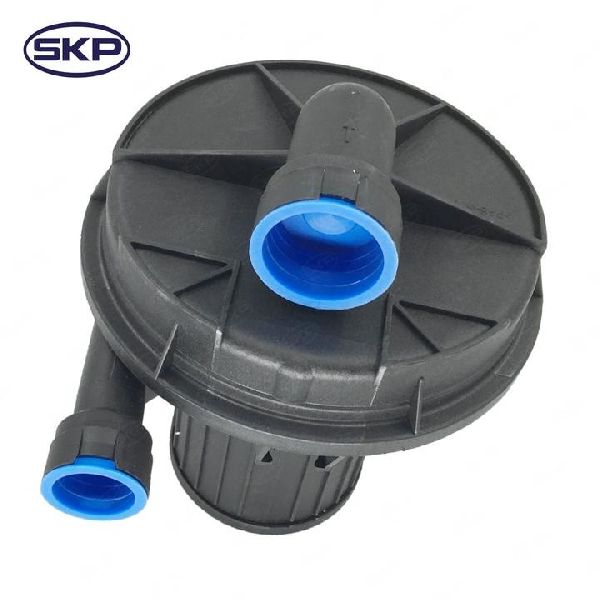
- URO Parts / Skyward: Brands like URO Parts and other private labels like Skyward offer the lowest prices. While budget-friendly, quality can be inconsistent. These parts can be a viable option if the budget is your primary concern, but they may not have the same longevity as higher-tier brands.
Cost to Replace a 2007-2011 Audi Q7 Secondary Air Pump
The total cost will depend on the brand you choose and whether you do the job yourself or hire a professional mechanic.
| Part / Service | Estimated Cost |
|---|---|
| New OEM Pump | $800 - $1000 |
| New Aftermarket Pump | $85 - $515 |
| Shop Labor | $200 - $350 |
| Total Professional Replacement (Aftermarket) | $285 - $865 |
Frequently Asked Questions
Is it difficult to replace the Q7's secondary air pump myself?
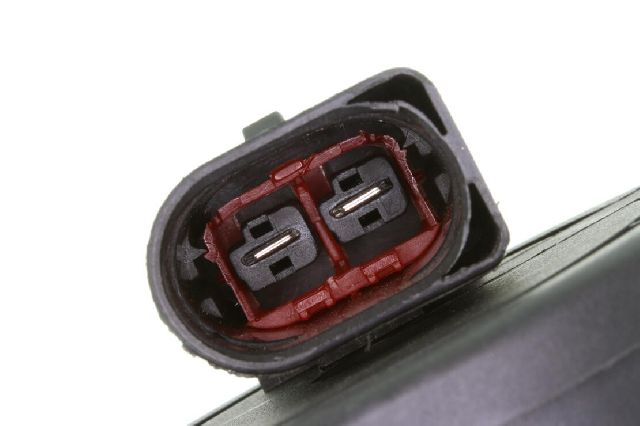
It is a moderately difficult job for a DIYer. The pump is located behind the passenger side front wheel well liner. You will need to remove the wheel and the liner to access it. In some cases, you may also need to loosen the corner of the front bumper to get enough clearance to pull the pump out. The hose clamps and electrical connector can also be tricky. If you are not comfortable with this, a professional mechanic can do it in about 1.5-2.5 hours.
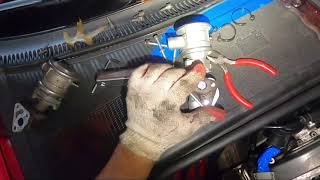
🎬 Watch this step-by-step guide to replacing the pump yourself.My mechanic found carbon buildup, not a bad pump. What does that mean?
Audi has issued Technical Service Bulletins (TSBs) for the Q7 regarding codes P0491 and P0492. These codes are often caused by carbon deposits clogging the small air passages inside the cylinder heads, not a failed pump. The fix involves a complex cleaning procedure. 🎬 Watch an overview of these carbon buildup codes and fixes. It is important to diagnose the system correctly to avoid replacing a perfectly good pump when the real issue is clogged ports.
Can I just unplug the pump or remove it?
No. Simply unplugging or removing the pump will keep the check engine light on and cause an automatic emissions test failure. The system must be in place and functioning correctly to pass inspection and keep the warning light off.
Besides the pump, what else could be wrong?
The system is simple, but other parts can fail. This includes a bad relay that powers the pump, a blown fuse, cracked or leaking hoses, or a faulty combi valve that gets stuck open or closed. A good diagnosis will check the entire system, not just the pump itself.
Helpful Videos

Technical Specifications
OEM Part Numbers: 06A959253B 06A959253E
Electric air pump for emissions control system. Operates only during cold start cycle.
We Have This Part in Stock

The information in this article is provided for general reference and educational purposes only. Vehicle specifications, procedures, and part compatibility can vary by production date, trim level, and region. Always consult your vehicle's factory service manual and verify part numbers before purchasing or performing repairs. Safety-critical components such as airbags, seat belts, and braking systems should be installed by a qualified professional.
- Audi Q7:
- 🎬 Helpful Videos
- 🛍️ Shop This Part
- Understanding the Secondary Air Injection System
- Common Symptoms of a Failing Pump
- A Critical Known Issue: Water Damage
- Choosing the Right Aftermarket Pump for Your Q7
- Tier 1: OEM-Quality Brands
- Tier 2: Reputable Aftermarket Brands
- Tier 3: Budget-Friendly Options
- Cost to Replace a 2007-2011 Audi Q7 Secondary Air Pump
- Frequently Asked Questions
- 🎟️ Get 5% Off